Why this update matters
Search inside productivity software used to be a narrow utility. Teams typed a keyword, scanned results, and opened several documents before finding the right answer. The new wave of AI search aims to compress that process into a single step.
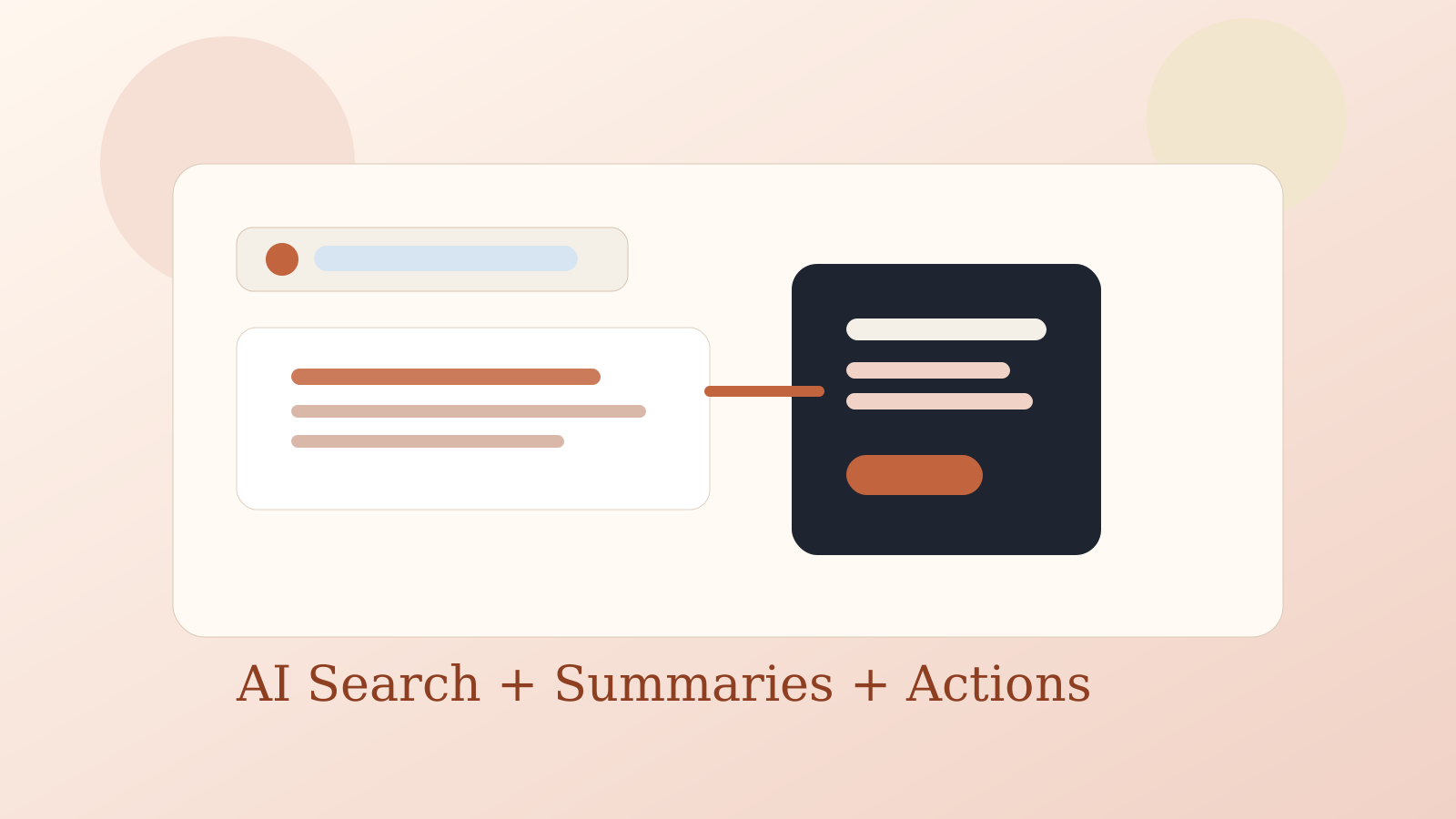
Based on the source signal, vendors are connecting search with summarization and automation. That matters because users increasingly expect software to surface relevant information, explain context, and reduce repetitive work.
What users are likely to notice first
The immediate improvement is speed. Instead of searching multiple files and messages manually, users can receive a direct summary with pointers to the original material. In practice, that can reduce friction across research, reporting, and planning workflows.
Typical feature patterns
- Context-aware search across documents, chats, and internal notes.
- Short AI summaries above standard results.
- Suggested next actions after a result is found.
- Workflow automations triggered from search outcomes.
How content teams should respond
For publishers and brand teams, the shift is strategic. If software products are summarizing information more often, source clarity becomes more important. Articles need strong section structure, direct explanations, and clear signals around the core takeaway.
This is also where SEO and product education start to overlap. Well-structured content can serve users in search engines and within AI-powered environments that ingest, summarize, and rank information differently.
| Area | Practical recommendation |
|---|---|
| Headings | Use descriptive H2 and H3 sections so key ideas are easy to locate and summarize. |
| Summaries | Open each section with a direct point before adding supporting detail. |
| Trust | Keep links to original sources visible and separate facts from interpretation. |
What happens next
If this trend continues, search inside software will become less like a document lookup tool and more like an operating layer for work. That creates opportunities for faster decision-making, but it also raises the quality bar for the underlying content users rely on.
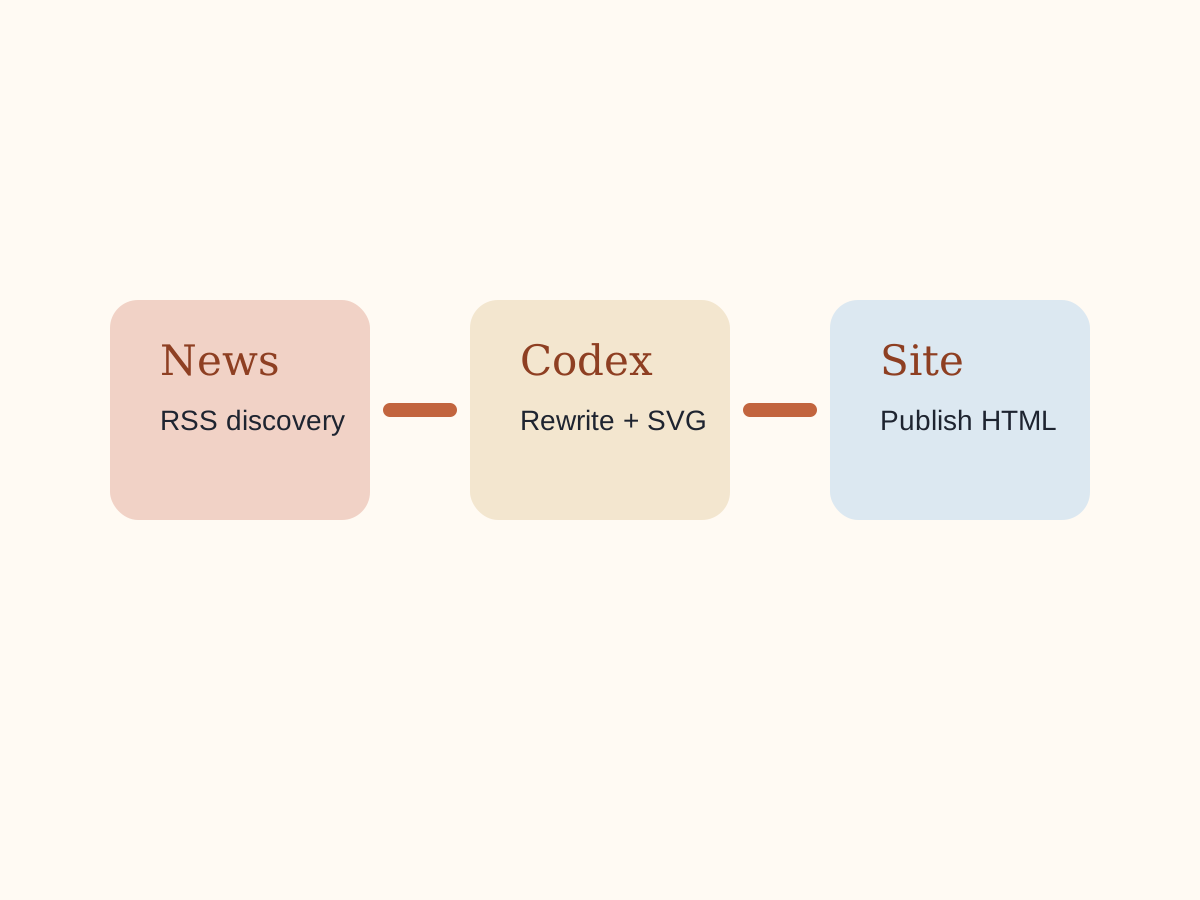
For a site like HelloTivvy, this kind of topic is a good test case for automated publishing because it combines current news, practical SEO angles, and visual explanations that can be generated into a readable article quickly.
Conclusion
AI search in productivity platforms is not only a feature update. It is a shift in how users expect information to appear and how content must be structured to stay useful. Teams that publish clear, well-organized articles will be in a stronger position as these interfaces become more common.