
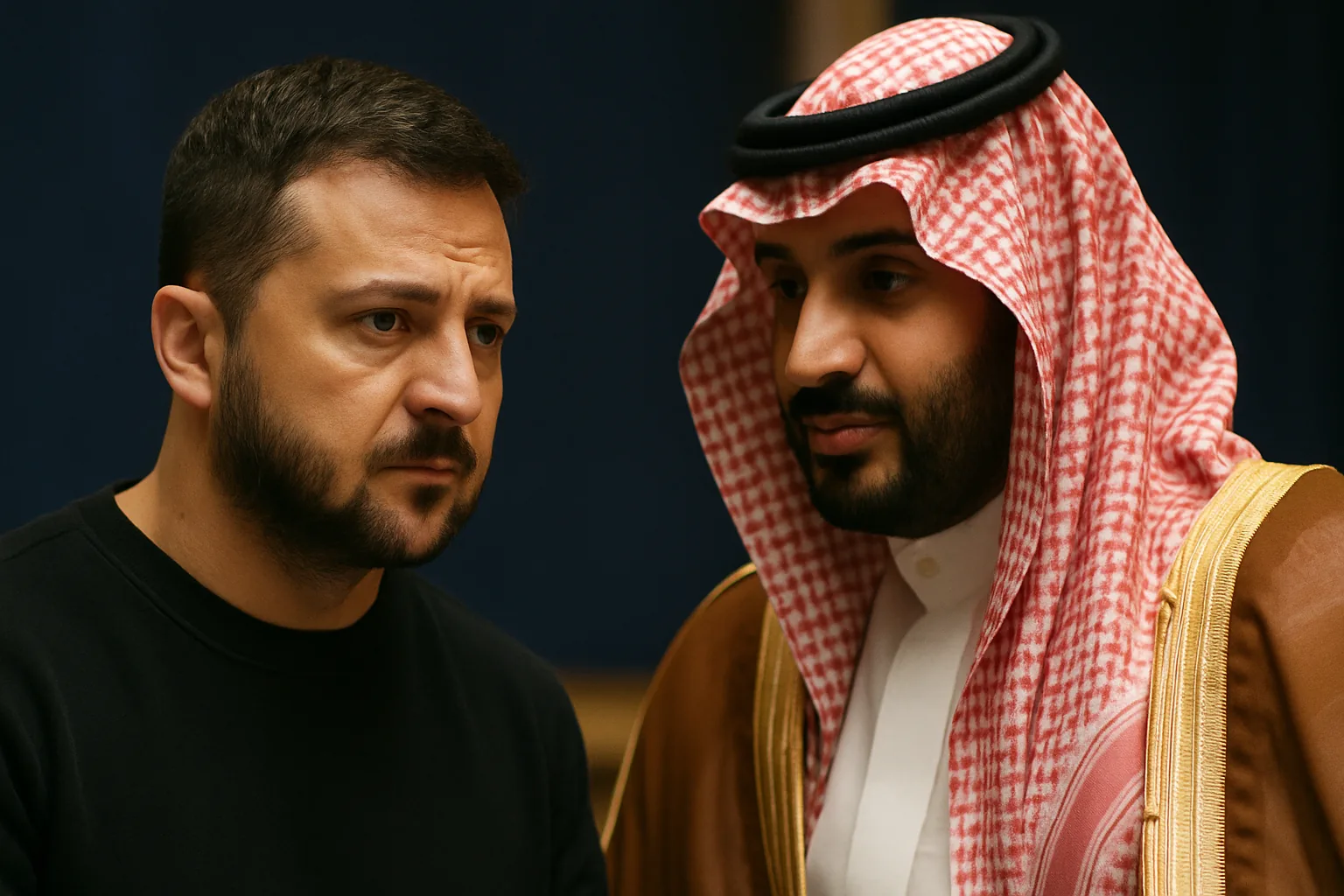
Seeking Saudi support matters because Ukraine is now operating in a more crowded geopolitical landscape than it faced earlier in the war. Diplomatic attention, military resources, and strategic bandwidth are finite, and new crises in the Middle East can shift how governments prioritize threats. In that environment, a trip aimed at sustaining backing or broadening coalitions is about more than one bilateral relationship. It is part of a larger effort to keep Ukraine central enough that it is not gradually edged out by competing emergencies.
That is why the story matters. It reflects a transition from a period when support for Ukraine often looked like the defining security issue for many allies to a period when its advocates must work harder to preserve urgency.
Why Saudi Arabia matters in this context
Saudi Arabia is significant not because it can simply replace Western support, but because it sits at the intersection of energy, regional diplomacy, and global geopolitical balancing. A country with influence across multiple crisis theaters can become important when alliances and priorities are in flux. Diplomatic engagement with Riyadh therefore signals a recognition that the war's international politics now extend beyond the original coalition architecture.
This is why the outreach matters. It shows Ukraine adapting to a more multipolar environment in which influence has to be pursued across a wider range of actors.
A useful way to think about it is this: when a war risks becoming one urgent issue among many, diplomacy becomes partly a fight against strategic distraction.
Why redirected aid fears change the calculation
The possibility that U.S. resources or political focus could tilt toward the Middle East changes how Ukraine must think about its position. Even partial diversion of attention can have material and psychological effects. Kyiv has to prepare not only for battlefield uncertainty but also for changes in the hierarchy of allied concerns.
This is one reason the story matters beyond travel optics. It captures how wars are shaped by relative priority as much as by formal commitments.
Why this is also about narrative endurance
Ukraine's cause has depended in part on maintaining a clear narrative about why the conflict still deserves sustained support. As the world grows more crowded with crisis, that narrative becomes harder to preserve by default. Diplomatic moves in regions outside the core Western alliance can help prevent the issue from shrinking into a more narrowly regional concern.
That is why the visit matters strategically. It is about broadening the circle of relevance before geopolitical fatigue hardens into reduced support.
Wars do not only suffer from resource shortages. They suffer from attention shortages once other emergencies begin competing for moral and strategic focus.
What matters next
The key questions are whether diplomatic outreach translates into concrete political or economic backing, whether U.S. and European priorities remain durable, and whether Ukraine can keep persuading new or nontraditional partners that its struggle is tied to wider global stability. Those answers will shape how resilient its international position remains.
That is why seeking Saudi support matters. It shows Ukraine adjusting to a world where coalition maintenance is becoming as important as coalition formation.
When a war stops being the only crisis in view, diplomacy becomes an effort not just to gain allies, but to stay impossible to ignore.