
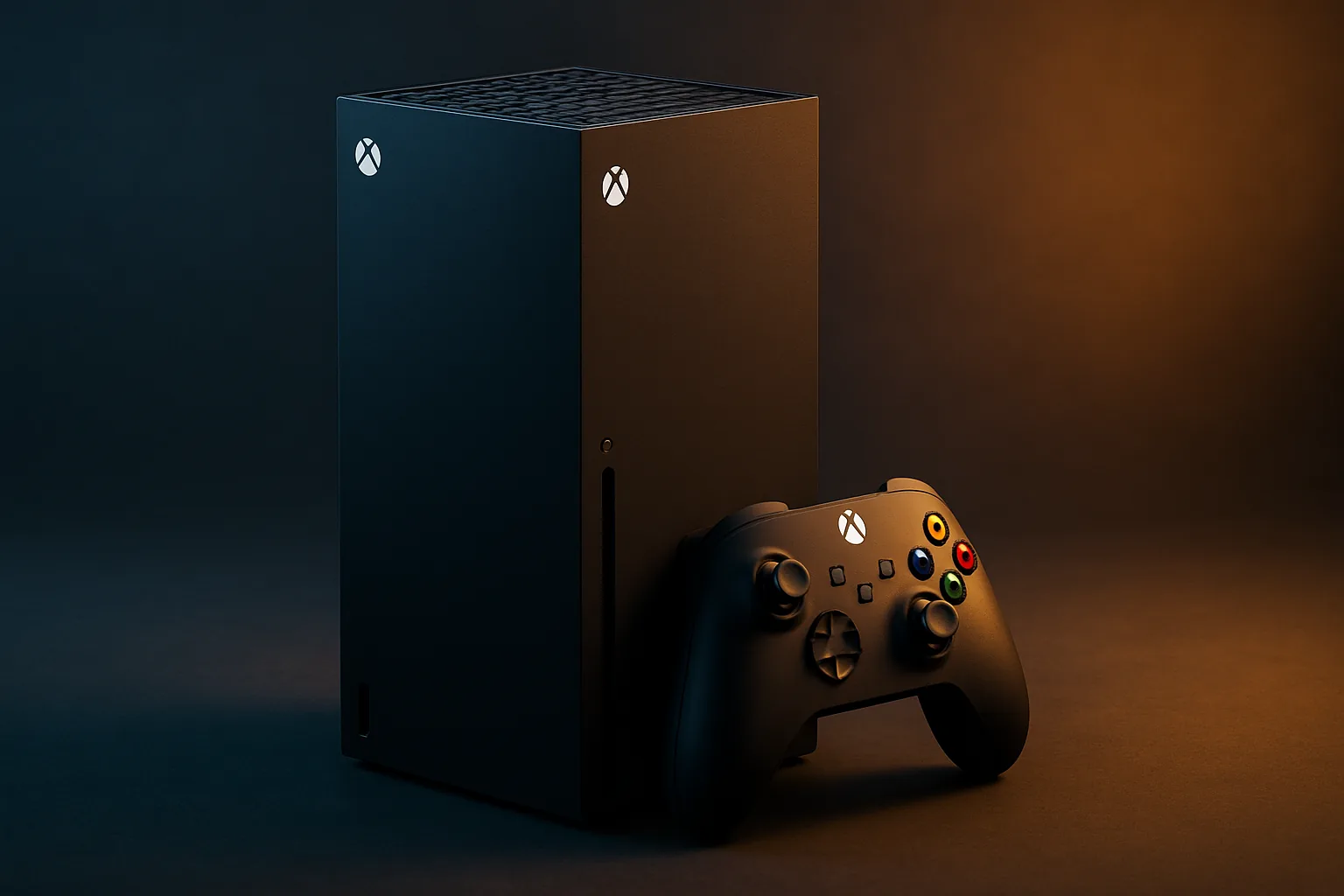
Gaming showcases matter because platform strategy now depends on sustaining anticipation over time rather than concentrating all momentum into a few blockbuster moments. Players track release calendars, trailers, delays, and studio updates across months or years, and attention can thin quickly when a project disappears for too long. That is why an Xbox Partner Preview featuring titles like The Expanse: Osiris Reborn, S.T.A.L.K.E.R. 2, and Stranger Than Heaven matters beyond the event itself. It is part of how a platform keeps its future lineup feeling active and credible.
Smaller partner-focused presentations are especially useful because they let platform holders distribute excitement more precisely. Instead of forcing every game into one overloaded showcase, they can give a targeted group of projects enough space to refresh interest, clarify progress, and remind players why those titles still deserve attention in a crowded market.
Why partner showcases have become strategically important
Large summer events and flagship conferences still matter, but they are no longer enough to maintain momentum for all the games in a platform ecosystem. Development cycles are longer, audiences are fragmented, and content windows need to be managed more deliberately. A partner showcase solves part of that problem by creating an intermediate stage between reveal and release.
This is what makes the format valuable. It does not need to redefine the whole brand in one night. It only needs to make upcoming games feel present again in players' minds.
Why the lineup matters as much as the event
The specific mix of games says something about what kind of anticipation Xbox wants to cultivate. A sci-fi RPG with Mass Effect echoes, a survival-heavy shooter with established mystique, and a project from the Yakuza developers offer very different appeal profiles. Grouping them together suggests a strategy built around tone variety and niche intensity rather than one monolithic blockbuster.
That can be smart in a fragmented audience landscape. Different communities do not need the same game, but they do need reasons to feel that the platform continues to have something for them.
A useful way to frame it is this: showcase strategy is less about announcing everything at once and more about preventing promising games from slipping into ambient forgetfulness.
Why anticipation now has to be curated carefully
Modern game hype is harder to sustain because players have seen too many long gaps, shifting targets, and impressive trailers that failed to convert into confidence. Each update therefore carries a trust component. Is the game progressing meaningfully? Does the footage feel substantive? Is the platform managing expectations or simply stoking them? These questions influence whether a showcase builds durable interest or just another short-lived spike.
This is why even modest events matter. They help platforms demonstrate cadence rather than simply aspiration.
What to watch next
The important question is whether the showcased games emerge looking more concrete, more polished, and closer to release in ways that justify renewed attention. Watch for audience response to clarity, not just spectacle. Games that leave players with a better sense of direction usually gain more from these events than games offering only vague motion.
That is why the showcase matters. It is part of the infrastructure of modern anticipation, where platform success depends on keeping future software vivid enough to remain believable.
In today's games business, visibility is not a one-time achievement. It has to be refreshed before anticipation expires.