
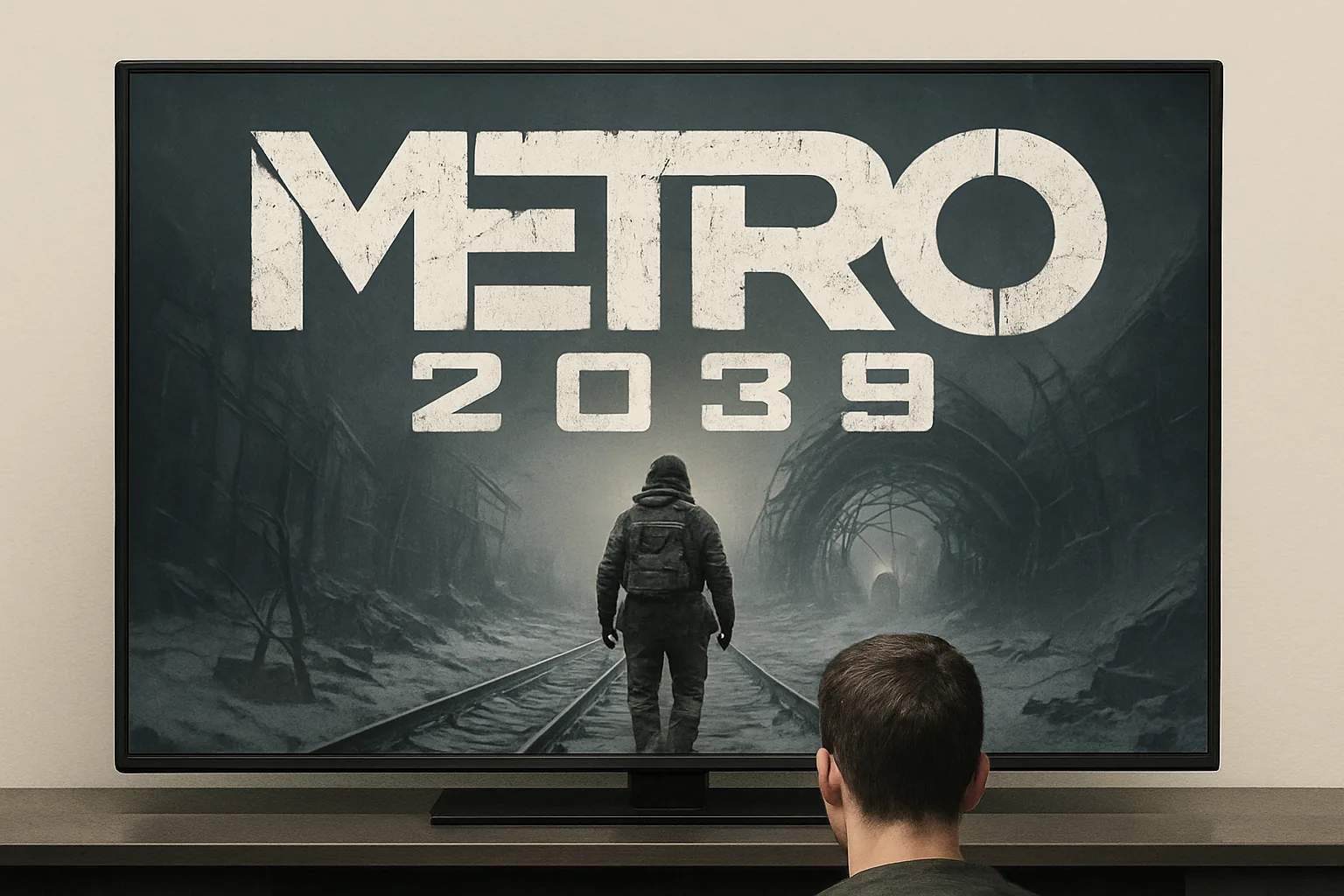
Microsoft has made Metro 2039 official, and it is doing so with an unusual amount of focus. Instead of saving the reveal for a larger multi-game presentation, Xbox is airing a dedicated Xbox First Look: Metro 2039 broadcast on Thursday, April 16, 2026, at 10 a.m. PT / 1 p.m. ET, streaming as a YouTube Premiere on the Xbox channel.
That confirms two things at once. First, the next mainline Metro game is real. Second, Xbox sees enough value in the announcement to give it a standalone showcase rather than a brief trailer slot wedged between other releases.
What Xbox actually announced
According to Xbox, this is the world premiere for the next game in 4A Games and Deep Silver’s post-apocalyptic first-person shooter series. It is being described as the fourth mainline entry, following Metro 2033 (2010), Metro: Last Light (2013), and Metro Exodus (2019).
That framing matters. Calling it the fourth mainline Metro title puts it in the core lineage of the series rather than off to the side as a spin-off, remaster, or side project. It also sets the likely expectation that this reveal is about the next major chapter for the franchise, not simply a technical update or re-release.
Xbox also provided practical broadcast details that suggest a broad audience play. The stream will include subtitle support across a long list of languages, plus an English audio-described version and American Sign Language support on Xbox’s YouTube channel.
Why the format matters
Game reveals happen all the time. A dedicated reveal stream is different.
Publishers usually reserve single-game showcases for projects they believe can hold attention on their own, either because the series has a loyal following or because the game marks a strategic partnership worth emphasizing. Xbox leans into that second point directly, saying the platform has long been a home for Metro.
There is a practical reason this works for Metro. The series has a distinct identity that does not need much setup: claustrophobic survival, ruined urban spaces, human factions under pressure, and a constant tension between intimate storytelling and larger post-nuclear horror. In a crowded showcase, a new Metro trailer could generate excitement. In a standalone stream, 4A Games has room to establish what this sequel is trying to be.
That does not automatically mean a huge information dump. The source material frames this as a first look, and the current reporting around the event points to a reveal presentation rather than a release-date announcement. Readers should calibrate expectations accordingly. The likely value of this stream is not “when can I pre-order?” but “what kind of Metro game is this?”
What this tells us about Metro after Exodus
The long gap since Metro Exodus is part of why this reveal has weight. The last mainline entry launched in 2019. Seven years later, fans are not waiting on a routine annual sequel; they are waiting to see how 4A Games wants to define the next era of the series.
The core question is not whether Metro can still attract interest. It can. The real question is which parts of the franchise identity the new game will emphasize.
Metro 2033 and Last Light are closely tied to the oppressive atmosphere of the Moscow tunnels. Exodus widened the scale and took players far beyond the subway, giving the series more open environments without fully abandoning its survival-horror roots. A game titled Metro 2039 naturally invites scrutiny over whether 4A Games is returning to a denser, more enclosed interpretation of Metro, continuing the broader scope of Exodus, or trying to combine both.
The reveal stream matters because tone will answer that faster than a press release ever could.
A concrete example of why this reveal could matter
Consider two very different versions of a first trailer.
In one, the footage lingers on dim tunnels, mask filters, improvised weapons, and tense encounters in close quarters. That would signal a deliberate return to the suffocating rhythm many players associate with early Metro.
In another, the footage highlights larger outdoor spaces, travel, faction conflict, and systems-driven survival in broader environments. That would suggest 4A Games is building further on the path Exodus opened.
Neither approach would need a release date to tell players something meaningful. For fans, developers, and publishers watching from the sidelines, the first few minutes of this showcase could clarify the design direction of the franchise more than months of rumor chatter did.
The leak factor is part of the story, but not the whole story
The event also arrives after leaks and rumors around the project. That makes the announcement feel partly like confirmation of what many fans already suspected. But official confirmation still changes the conversation.
Leaks can tell people that a game exists. They rarely explain how a platform holder wants to position it, what the publisher thinks its audience is, or what kind of cadence to expect from future marketing. A branded Xbox First Look gives Metro 2039 an immediate frame: this is not being treated as a minor catalog revival. It is being staged as a headline reveal.
That distinction matters for industry watchers as well. Xbox has spent years trying different event formats, from large showcase blocks to developer-focused presentations and partner streams. A single-game reveal under the Xbox First Look label suggests another refinement in how Microsoft packages announcements, especially when it wants one game to own the news cycle for a day.
What to watch when the stream airs
If the reveal is light on hard launch details, there are still concrete signals worth paying attention to:
- Perspective and pacing: whether the footage emphasizes horror, action, stealth, or broader exploration.
- Setting clues: whether the game appears rooted mainly in the Metro’s underground spaces or leans outward again.
- Platform positioning: how strongly Xbox presents its relationship with the franchise.
- Scope of the presentation: whether this feels like a cinematic tease or a more substantial gameplay-led introduction.
Those details will shape expectations for the rest of the marketing cycle. A short cinematic reveal would suggest a longer wait and a slower rollout. A more mechanics-heavy presentation would imply the project is ready to be discussed in concrete terms soon.
The immediate takeaway
The biggest news is simple: Metro 2039 is now an announced, mainline Metro game, and Xbox is giving it room to make a first impression on its own terms.
That alone makes this more than a routine scheduling post. It marks the return of a well-regarded shooter series after a long break, confirms that the rumors were pointing in the right direction, and hints that Xbox believes the game deserves more than a trailer cameo in a crowded event.
On April 16, 2026, the stream may not answer every commercial question. It does not need to. If it clearly shows what kind of Metro game 4A Games is building, that will be the part that matters most.