
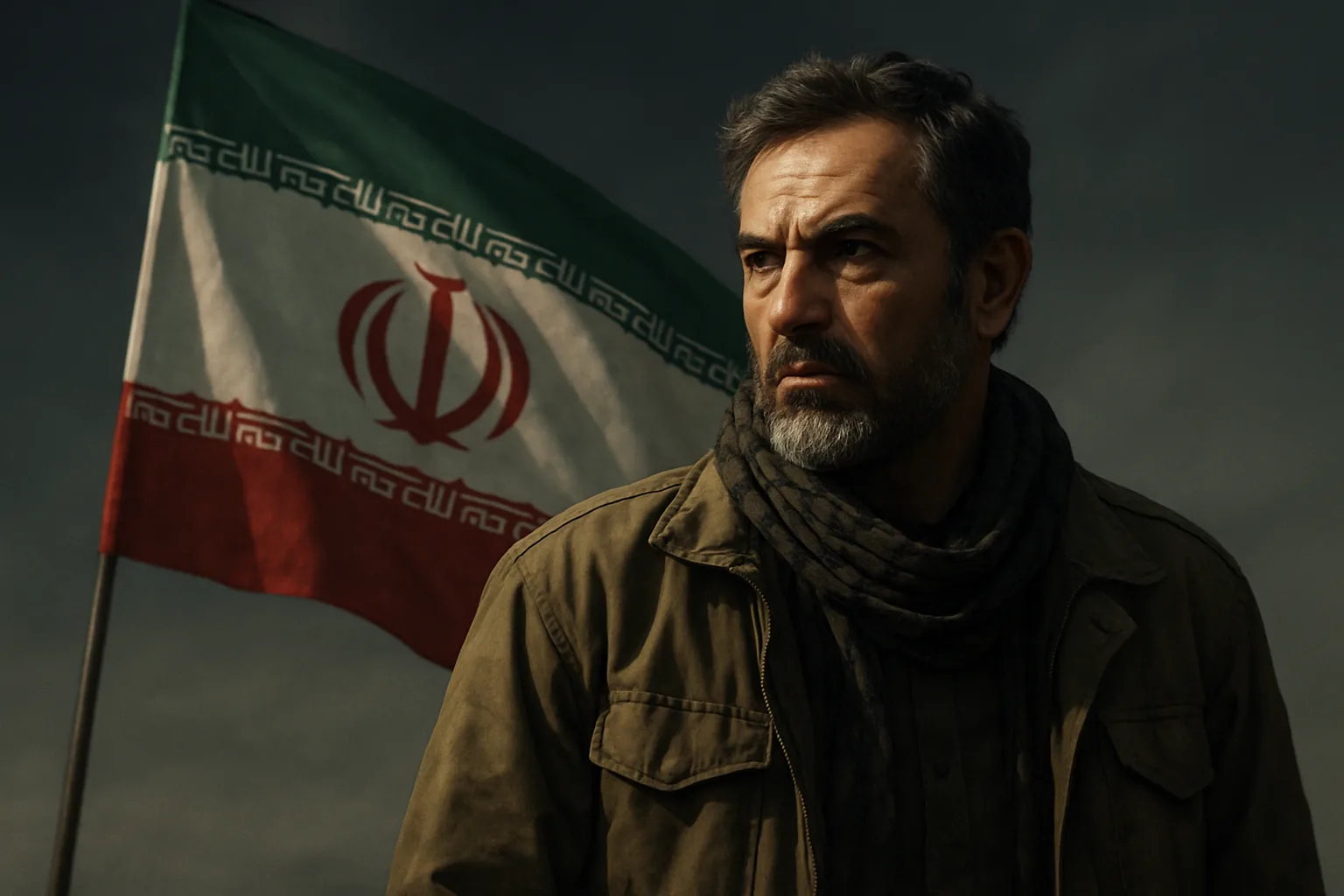
In the final term of the Trump administration, expectations ran high that Israeli intelligence had devised a plan to incite internal dissent within Iran’s theocratic regime—ultimately aiming to destabilize the government and hasten an end to escalating tensions. Yet months into these efforts, the anticipated uprising has failed to materialize, raising critical questions about the feasibility of such covert strategies and their broader implications for regional policy.
Israel has long been vigilant about Iran’s nuclear ambitions and regional influence, consistently seeking to weaken Tehran through clandestine operations and partnerships with opposition groups. The strategy envisioned capitalizing on widespread Iranian frustration with economic hardship and political repression to fracture the regime from within. Backed by the Trump administration, this approach hinged on transforming internal dissatisfaction into overt rebellion.
Several key factors explain why the hoped-for uprising has not emerged:
- Robust Government Control: Iran’s theocratic leadership maintains extensive surveillance and ruthlessly suppresses dissent, severely limiting opposition groups’ ability to organize.
- Nuanced Public Sentiment: While economic and political grievances persist, many Iranians prioritize national sovereignty and remain wary of foreign interference.
- Economic Hardship and External Blame: The regime channels public frustration toward external foes—primarily the U.S. and Israel—thus uniting disparate factions under a shared sense of resistance.
- Effective Security Apparatus: Iran’s intelligence and security services excel at identifying and quashing opposition before it can gain momentum.
This outcome challenges assumptions about the vulnerability of the Iranian regime and the effectiveness of proxy efforts to induce internal change. For U.S. and Israeli policymakers, it underscores the need to rethink strategies toward Iran—balancing pressure with diplomatic engagement while recognizing the limits of covert influence.
Furthermore, the failure to ignite rebellion highlights the complexity and resilience of Iranian society, cautioning against simplistic expectations that external actors can swiftly engineer political upheaval.
As Middle Eastern dynamics continue to shift, the lessons from Israel’s unfulfilled plans emphasize the importance of multifaceted approaches grounded in on-the-ground realities. While covert operations may complement broader objectives, lasting solutions will likely demand nuanced diplomacy, regional partnerships, and efforts to address the underlying causes of unrest.
In sum, the absence of an Iranian uprising despite concerted Israeli efforts reveals the enduring strength of Iran’s regime and society. For the U.S., Israel, and their allies, adapting to these realities will be essential in shaping the future political landscape of the region.