
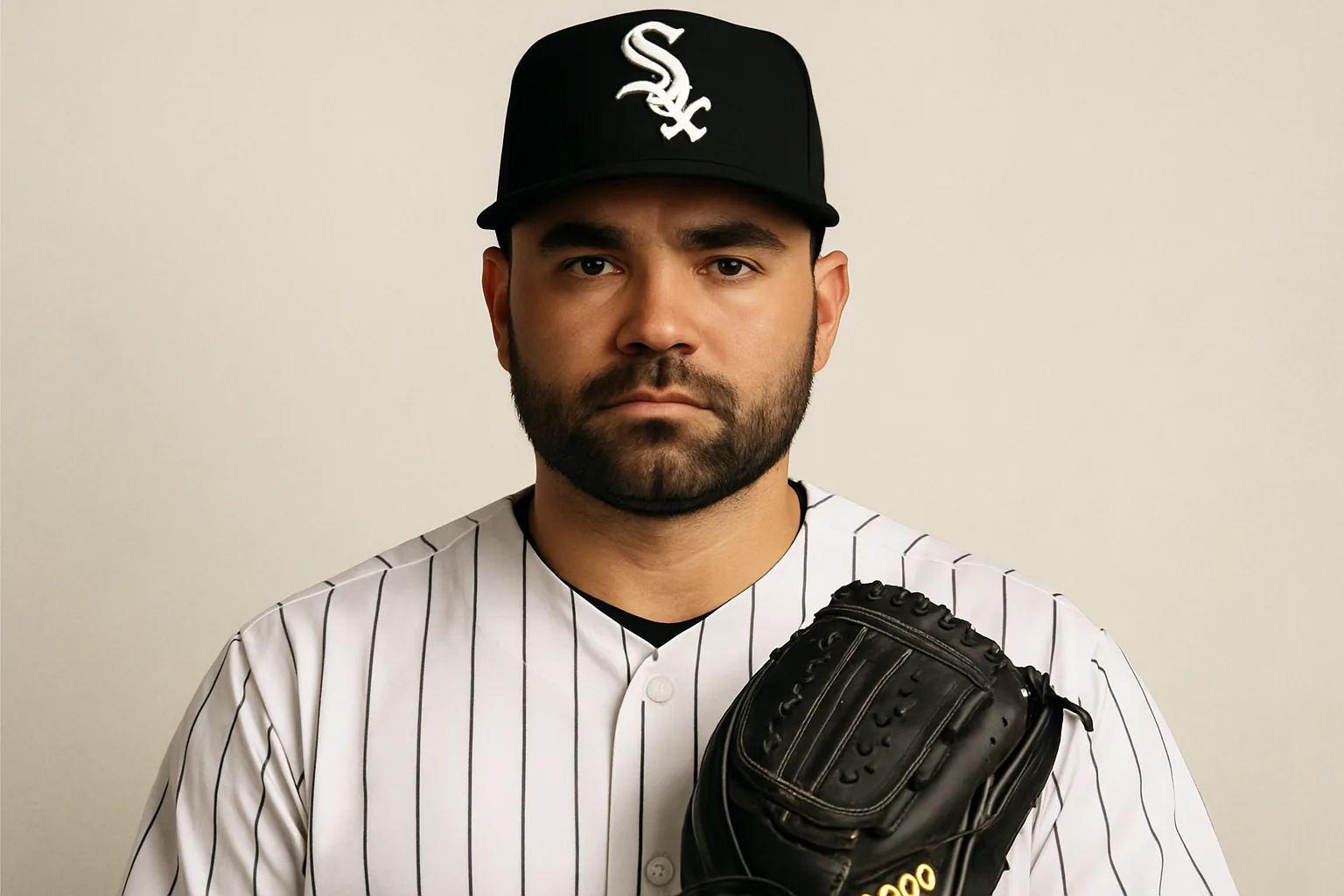
The Chicago White Sox acquired right-hander José Urquidy from the Pittsburgh Pirates for rookie-ball pitcher Felix Doroteo, a modest trade built around one question: can an experienced major-league starter become useful again after a difficult return from Tommy John surgery?
The deal was recorded on July 26, eight days before MLB’s Aug. 3 trade deadline. Urquidy will begin with Triple-A Charlotte rather than immediately joining Chicago’s major-league staff, according to MLB’s report on the trade.
That assignment defines the move. The White Sox have not acquired a ready-made rotation upgrade. They have added an experienced option who can be evaluated away from the pressure of a major-league start and called upon if the staff develops a need.
What Chicago is buying
Urquidy, 31, owns a 4.07 ERA across 86 major-league appearances, most of them with Houston from 2019 through 2023. That track record gives Chicago something that is difficult to find in the upper minors late in a season: a pitcher who has already handled both starting and relief work in the majors.
His recent performance is much less reassuring. Urquidy posted an 8.53 ERA in five appearances for Pittsburgh and was designated for assignment on July 24. He underwent the second Tommy John surgery of his career in 2024 and, as Baseball America’s trade tracker noted, has struggled since returning.
The White Sox are therefore betting on possibility, not current production. Triple-A gives them time to see whether Urquidy can improve his command, effectiveness and workload after surgery. It also lets the organization determine which role suits him now.
Manager Will Venable said Urquidy is expected to start for Charlotte but could eventually pitch in bulk or out of the bullpen. That flexibility may be more important than assigning him a fixed label. A recovering pitcher who can cover several innings can help a club manage both rotation disruptions and heavily used relievers.
The practical value of an extra option
Consider a simple late-season scenario. If a White Sox starter misses a turn or the bullpen is depleted after consecutive short starts, the club could need innings quickly. Urquidy would not have to establish himself as a permanent rotation member to help; one competent spot start or a multi-inning relief appearance could ease the strain on the rest of the staff.
That is the appeal of the transaction. Chicago can prepare Urquidy in Charlotte before deciding whether his present form warrants a major-league opportunity. If his recovery does not progress, the White Sox have not surrendered a highly ranked prospect to find out.
This kind of move occupies a useful place in deadline planning. Larger trades are judged by immediate impact and the quality of prospects exchanged. Depth trades are judged differently: whether the acquired player provides credible coverage, and whether the cost preserves the organization’s ability to pursue other needs.
What Pittsburgh received
Doroteo is a 21-year-old right-hander who recorded a 4.50 ERA over 18 innings in the Arizona Complex League this season. His distance from the majors makes him an uncertain return, but Pittsburgh converted a pitcher it had already designated for assignment into a younger arm it can develop.
That distinction matters. Once Urquidy was removed from Pittsburgh’s roster plans, the Pirates had limited leverage. Receiving any developmental player allowed them to avoid losing Urquidy without a return, while Chicago accepted the risk attached to his health and recent results.
The exchange is balanced less by present ability than by different timelines. The White Sox get the pitcher with major-league experience and near-term utility. The Pirates get the younger player and the longer evaluation window.
What to watch in Charlotte
Urquidy’s Triple-A outings will provide the first meaningful evidence about whether the trade can help Chicago. His ERA will matter, but so will his ability to work multiple innings consistently and remain available between appearances.
His eventual role will offer another clue. Regular starts would suggest the White Sox view him primarily as rotation insurance. Shorter or irregular assignments could indicate that bulk relief is the more realistic route back to the majors.
The timing is also important. Acquiring Urquidy before the deadline gives Chicago another internal candidate without forcing the club to rely on him. The White Sox can still assess other opportunities while testing whether an established pitcher has enough left to contribute.
Urquidy’s name and past experience make the trade more recognizable than its cost, but the transaction remains a controlled gamble. Chicago gave up a distant pitching prospect for a veteran who first has to prove himself in Triple-A. The deal becomes valuable only if that extra layer of depth is ready when the major-league staff needs it.