
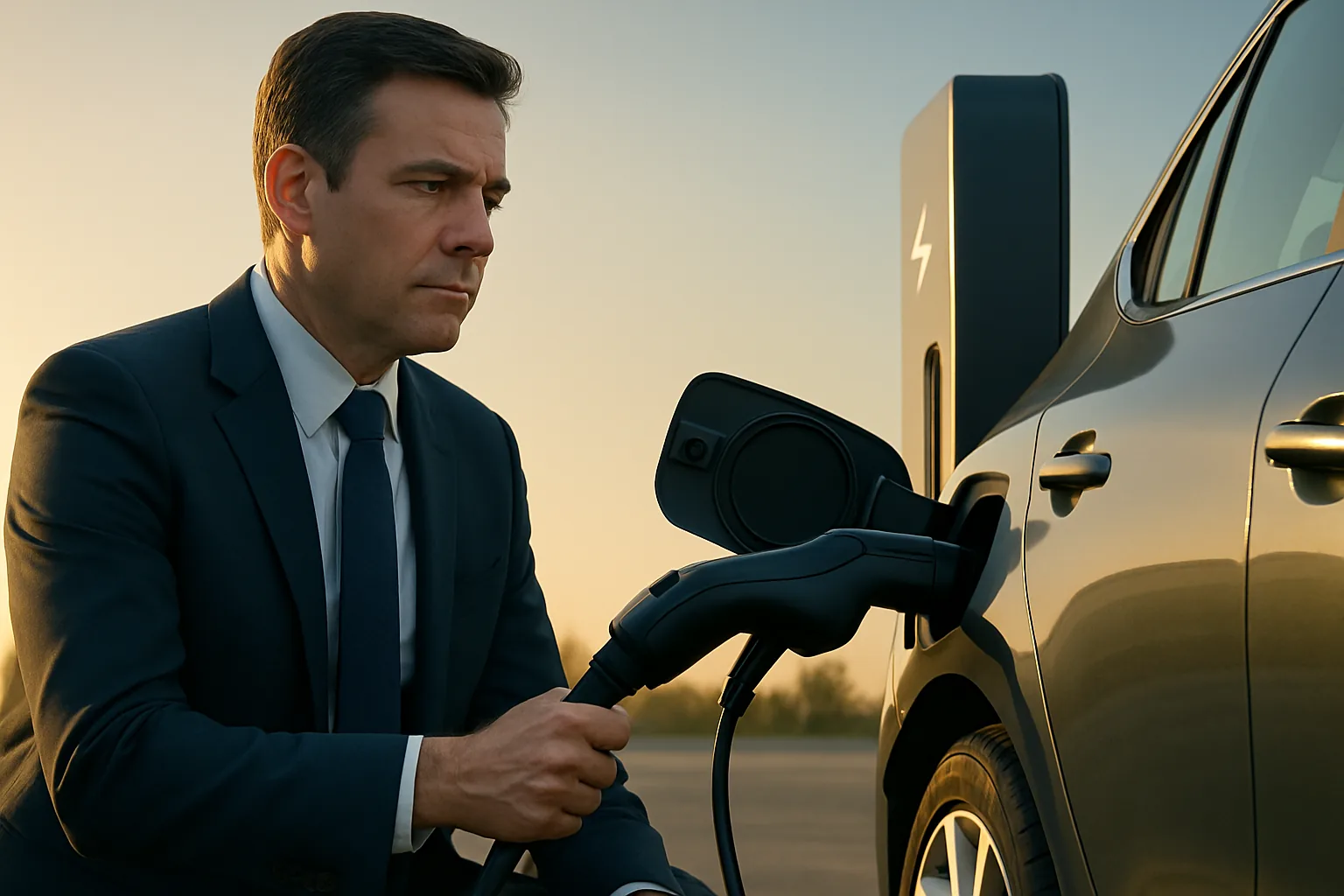
Higher gasoline prices are pushing more drivers and business owners to revisit the economics of electric vehicles. That reaction is easy to understand. When geopolitical conflict drives fuel costs sharply upward, the appeal of a vehicle that is less exposed to oil-price volatility becomes much stronger. For companies that manage fleets, reimburse mileage, or depend on delivery economics, changes at the pump can alter budgeting assumptions quickly.
But rising gas prices do not make the EV decision simple. They increase the pressure to compare options carefully rather than treating electrification as an obvious one-size-fits-all response.
Why EVs gain attention during fuel shocks
Gas-powered vehicles are directly exposed to oil-market swings, while most EV owners face electricity prices that change more slowly and are usually regulated at the retail level. That difference gives electric models a resilience advantage when war or supply disruption drives sudden price spikes. It also helps explain why consumer interest in hybrids, plug-in hybrids, and battery EVs often rises during periods of fuel stress.
For businesses, that relative stability can matter as much as the raw savings figure. Predictable operating costs are easier to plan around than weekly swings in fuel expense.
Why the numbers still require caution
The difficulty is that the fuel comparison is only part of the ownership equation. EVs often cost more upfront than comparable gasoline vehicles, and buyers without convenient home or depot charging may not realize the same savings that headline comparisons suggest. Electricity prices also vary widely by region and can rise for unrelated reasons, including pressure on the grid.
That means the right question is not simply whether gas is expensive now. It is whether total cost of ownership improves over the period a business or household expects to keep the vehicle.
What this means for business owners
For commercial operators, the decision depends on route structure, charging access, downtime tolerance, and financing conditions. Some businesses may find that hybrids deliver a faster economic payoff than fully electric vehicles, especially if they need flexibility or cannot yet build reliable charging routines. Others may decide that EVs are worth the higher upfront cost because lower fuel and maintenance expenses become meaningful over time.
The recent gas-price spike therefore acts less like a final answer and more like a forcing event. It compels a more serious look at fleet mix and long-term energy exposure.
Why the story matters now
The broader significance is that fuel shocks are making electrification feel more practical to more people, even as policy uncertainty and infrastructure gaps remain. Rising gas prices can accelerate consideration, but they do not erase the tradeoffs around capital cost, charging convenience, and operational fit.
That is why business owners need a grounded approach. The strongest case for EV adoption is not panic buying during a crisis. It is using a crisis to evaluate which parts of a fleet or budget are most vulnerable to oil volatility and where electrification genuinely lowers risk.