
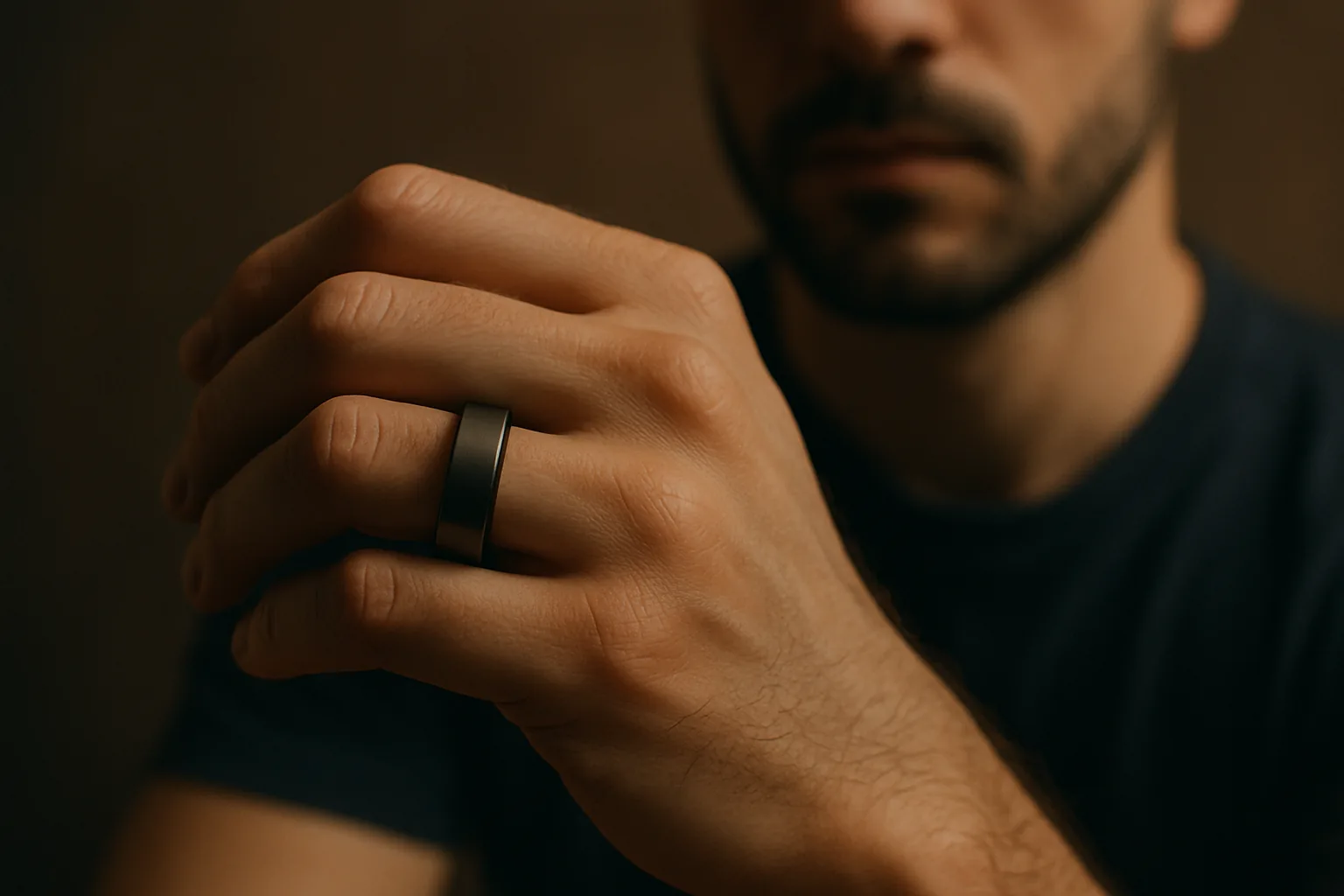
Ultrahuman's U.S. expansion matters because wearables are not ordinary gadgets. Once adopted successfully, they become habits: devices people wear continuously, use to interpret their bodies, and often integrate into broader routines around sleep, exercise, and self-tracking. That makes the market unusually sticky. A challenger entering aggressively is not only competing on product specs. It is competing to displace an existing relationship between user, data, and daily behavior.
That is why the story matters beyond one device launch. The real contest is over who becomes the most trusted layer for interpreting personal health signals in a category where users do not want to relearn their routine repeatedly.
Why the U.S. market is especially important
The United States remains one of the most visible and lucrative markets for premium consumer health technology. Success there can validate a brand globally, attract partnerships, and reshape investor perceptions of what kind of challenger is worth taking seriously. Entering that market with conviction therefore carries strategic significance even before sales results are fully known.
This is why Ultrahuman's move matters. It tests whether there is still room to expand meaningfully in a space where a few names already dominate the conversation.
A useful way to think about it is this: in health wearables, market entry is not just shelf presence. It is a bid to become part of someone's self-understanding.
Why incumbency matters so much in rings and wearables
Products like Oura benefit from more than first-mover status. They benefit from familiarity, accumulated data histories, and user trust in interpretation over time. Those advantages are difficult for challengers to overcome because switching costs are partly psychological. A user is not just buying a device. They are deciding whether to trust a new system with intimate behavioral signals and health-adjacent feedback.
This is one reason the story matters. It shows how even seemingly simple hardware categories can become locked down by habit and credibility rather than by physical design alone.
Why challengers still have an opening
Despite incumbent advantages, wearables markets remain dynamic because users still care deeply about battery life, comfort, analytics quality, pricing, subscription structure, and perceived honesty in how insights are delivered. If a challenger can improve enough of those variables, the category can still move. Expansion efforts matter because they test whether dissatisfaction with the leader is latent but unorganized, or too weak to matter commercially.
That is why the U.S. push matters beyond branding. It is a real probe into whether the market remains contestable.
Categories often look settled right until a challenger proves that habit can be persuaded to move under the right conditions.
What matters next
The key questions are whether Ultrahuman can earn durable trust, whether its feature set feels meaningfully distinct rather than incrementally different, and whether users see enough value to switch or start with a newer brand. Those answers will determine whether the expansion is mostly noise or an early sign of competitive reshuffling.
That is why the move matters. It captures the larger battle over who gets to interpret everyday biometric life for an increasingly self-quantifying consumer base.
In wearables, the real prize is not just selling a ring. It is becoming the default lens through which users read themselves.