
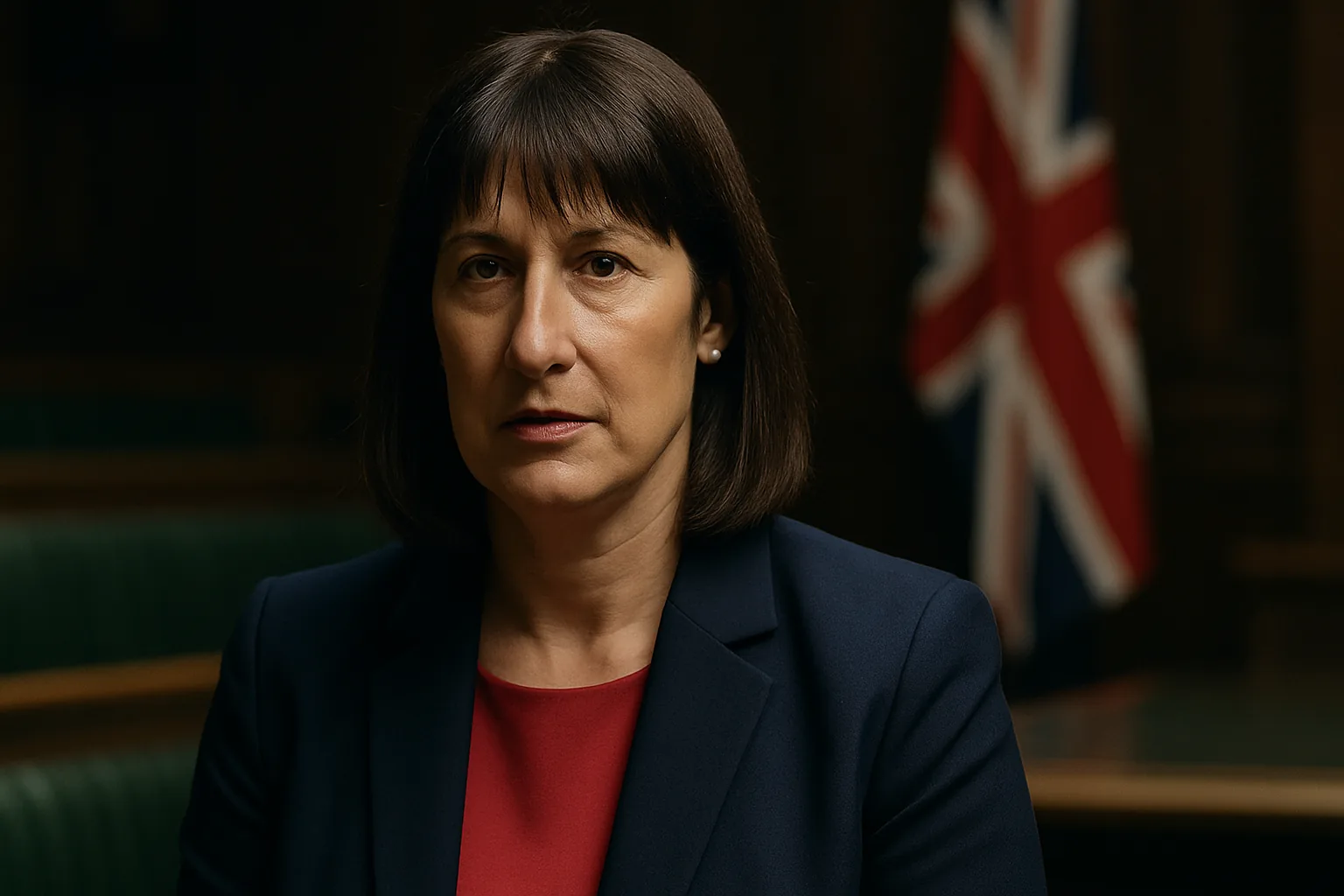
Chancellor statements matter because they are among the few moments when a government tries to speak simultaneously to markets, Parliament, and households using a single economic story. In periods of geopolitical strain and rising energy costs, that becomes particularly difficult. Investors want discipline and predictability; households want relief and clarity; political opponents want openings. An economic update from Rachel Reeves therefore matters not just for what policy it contains, but for whether it can hold those audiences together long enough to preserve credibility.
The challenge is structural. A government under pressure cannot afford to sound detached from cost-of-living strain, yet it also cannot imply that every shock will be answered with improvisational largesse. The statement has to suggest command without sounding indifferent, and empathy without sounding fiscally careless. That balance is hard to strike, which is why these moments matter more than their individual bullet points sometimes suggest.
Why economic messaging becomes harder during external shocks
When rising costs are linked to geopolitics, governments lose some control over the cause but remain fully accountable for the consequences. That creates a communication problem. Ministers must explain that the shock is external while still convincing the public that domestic policy can matter meaningfully. If they lean too hard on global causes, they sound powerless. If they overpromise domestic solutions, they risk later disappointment.
This is why economic updates during conflict-related price pressure feel so politically exposed. They are as much about credibility management as about policy detail.
Why markets and households hear different parts of the same speech
Financial audiences often focus on discipline, borrowing implications, and whether the government appears steady. Households listen for affordability, support, and signs that ministers actually understand the texture of rising bills. A chancellor has to write one message that can satisfy both audiences enough to prevent either from assuming the government has chosen the other side entirely.
That is not a communication nicety. It is a central constraint of economic politics in periods of volatility.
A useful way to frame it is this: economic statements matter because governments survive by making fiscal restraint sound human and practical relief sound credible to markets.
Why timing and tone are part of the substance
Even a well-designed response can underperform politically if it arrives too slowly or sounds too technocratic. Conversely, a more limited set of measures can still reassure if it is presented with clarity, urgency, and a plausible sense of next steps. Tone is not separate from policy here. It shapes whether people believe the policy belongs to the real moment they are living through.
This is one reason chancellor updates remain important even in a saturated media environment. They are one of the few ritualized tests of whether a government still sounds economically believable.
What to watch next
The important questions are whether Reeves offers concrete mechanisms rather than broad ambitions, whether financial reaction suggests confidence in fiscal discipline, and whether households hear enough practical relevance to feel the statement changed anything. If those reactions diverge too sharply, the politics of the update may harden quickly.
That is why the statement matters. It is a test of whether one message can hold together a country experiencing the same shock through very different kinds of anxiety.
Economic credibility is rarely just about the numbers. It is about whether different audiences can hear themselves in the same government explanation.