
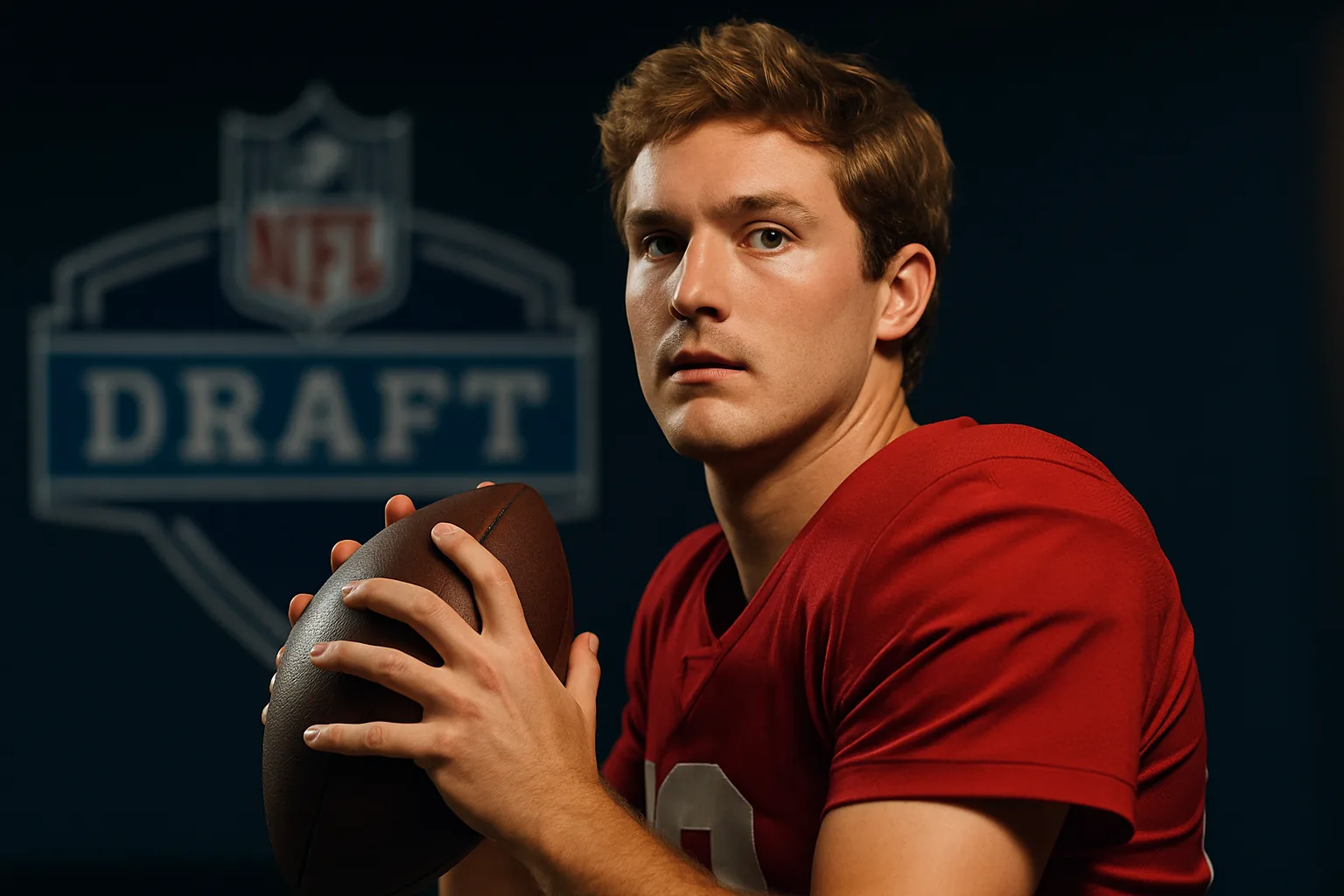
Quarterback-one debates are always more revealing than they first appear because they expose how different evaluators prioritize the future. When Dan Orlovsky argues that Ty Simpson should be considered the true QB1 in the 2026 class, he is not only ranking one player over another. He is making a claim about which traits he believes matter most once projection replaces résumé.
That is why these debates often persist even when one prospect appears to have more public momentum. Draft evaluation is not a simple vote count. It is a conflict between different models of quarterback development, risk tolerance, and how much importance to assign to mechanics, processing, creativity, or system context.
Why QB1 is always more than a label
Being called QB1 matters because the top quarterback in a class shapes how the entire draft board is interpreted. Once evaluators believe one passer sits clearly above the rest, teams behave differently. Trade discussions change, urgency rises, and the line between need and value becomes harder to maintain. That is why even public analyst debates can influence the broader draft conversation.
The label is therefore less about bragging rights than about market gravity. A convincing QB1 can move the whole board around him.
Why a dissenting evaluation like this matters
When a known analyst pushes against the prevailing consensus, it signals that the class is less settled than headlines imply. That is useful for readers because the draft is often healthiest to understand when it looks uncertain rather than predetermined. Strong disagreement can mean there is still real volatility in how teams will interpret the position.
For Ty Simpson specifically, an argument like this suggests that at least some evaluators see traits that may translate more cleanly to the NFL than the broader public conversation has acknowledged. That can be about decision-making, structure, physical tools, or how the player's environment may have obscured his true ceiling.
A helpful way to frame it is this: QB1 debates matter because they reveal what scouts are willing to bet on before the league itself has spoken.
Why projection drives the whole conversation
Quarterback scouting is unusually projection-heavy because the position changes meaningfully from college to the NFL. The best college quarterback is not always the best professional prospect, and everyone involved in the process knows it. That is why evaluators can look at the same film and arrive at different answers without either side being unserious.
One analyst may prioritize translatable mechanics and timing. Another may lean toward off-platform creation or higher-end arm talent. The disagreement is not noise. It is the core of quarterback evaluation.
What readers should take from this now
The smart takeaway is not that Ty Simpson has definitively seized the top spot. It is that the quarterback picture remains open enough for serious people to disagree at the highest end. That makes the class more interesting, not less. It means the market has not fully hardened yet.
As the draft approaches, more voices will add pressure to the conversation, and team needs will distort it further. But moments like this are valuable because they preserve the idea that consensus is often provisional. One strong evaluative argument can still unsettle the board.
That is why Orlovsky's take matters. It reminds everyone that QB1 is not discovered by crowd instinct alone. It is argued into existence through projection, conviction, and the willingness to trust a particular vision of what NFL quarterback play should become.