
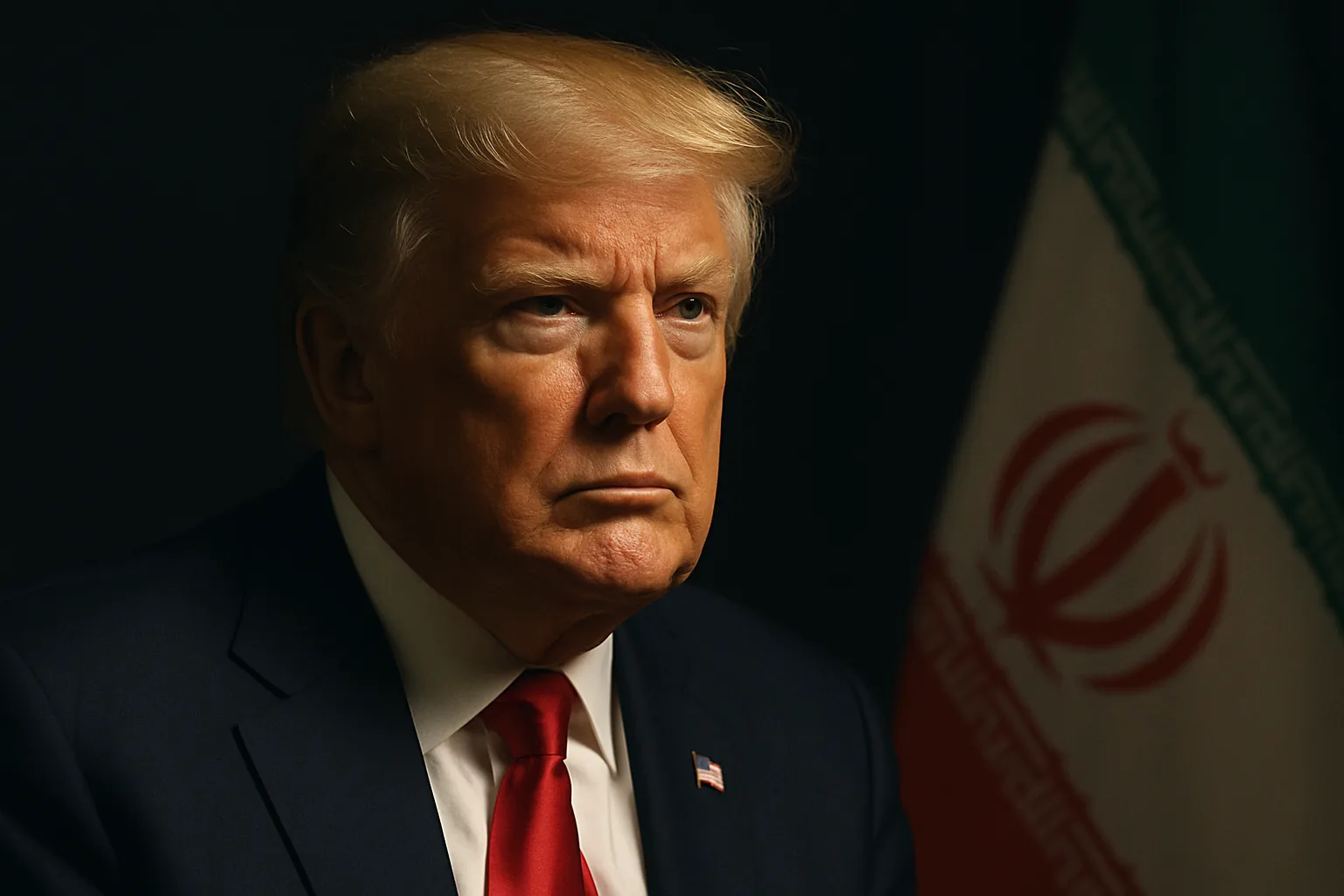
Statements that the United States could end military operations against Iran immediately but is choosing to continue them matter because they present escalation as a calibrated option rather than a trapped condition. That distinction is politically useful. It allows leaders to argue that force is being maintained from choice, not compulsion, which helps preserve an image of strategic command even as regional tensions rise.
The message is doing several things at once. It signals resolve to supporters, warns adversaries that pressure will continue, and reassures broader audiences that the operation remains bounded by intention rather than drifting toward chaos. In practice, that kind of language can be as consequential as troop movement because it shapes how the public interprets the purpose and limits of military action.
Why “we could stop now” is a powerful framing device
Conditional restraint is rhetorically effective because it packages force as reluctant and reversible. Leaders can claim moral and strategic prudence without surrendering the credibility of continued action. The line suggests that escalation is not evidence of loss of control, but evidence of discipline: the state knows it could stop, yet judges continued pressure necessary.
That framing matters because war messaging is often about perception management as much as battlefield logic. It helps a government defend action while reducing the appearance of impulsiveness.
Why the rebuild argument matters
Saying operations must continue so Iran can “never rebuild” pushes the justification beyond immediate retaliation and into longer-term capacity denial. That is a broader and more open-ended rationale. Once the objective becomes preventing future recovery, the policy horizon expands, and so do questions about duration, scope, and thresholds for success.
This is why the wording deserves attention. It shifts the conversation from responding to a moment toward managing an ongoing strategic condition, which can be much harder to bound politically.
A useful way to frame it is this: the more a military argument depends on preventing future capacity, the more it asks the public to accept endurance instead of closure.
Why signaling control can still intensify risk
Messages designed to project calm authority do not necessarily reduce danger. They can also harden commitment, limit room for de-escalatory language, and invite reciprocal signaling from the other side. If both actors want to appear disciplined yet unyielding, the conflict can deepen under the cover of rhetorical composure.
That is why analysts pay close attention not just to the existence of military pressure, but to the language wrapping it. Words can widen the strategic frame within which force is expected to continue.
What to watch next
The key questions are whether officials define concrete limits, whether the stated objective remains narrow or expands further, and whether diplomatic language survives alongside the harder posture. If the public case for action remains mostly rhetorical and open-ended, expectations can shift toward a longer cycle of confrontation.
That is what makes this statement significant. It is not merely an update on military posture. It is a clue to how leaders want escalation to be understood and accepted.
In conflicts like this, the argument about force often begins with narrative discipline before it settles into policy reality.