
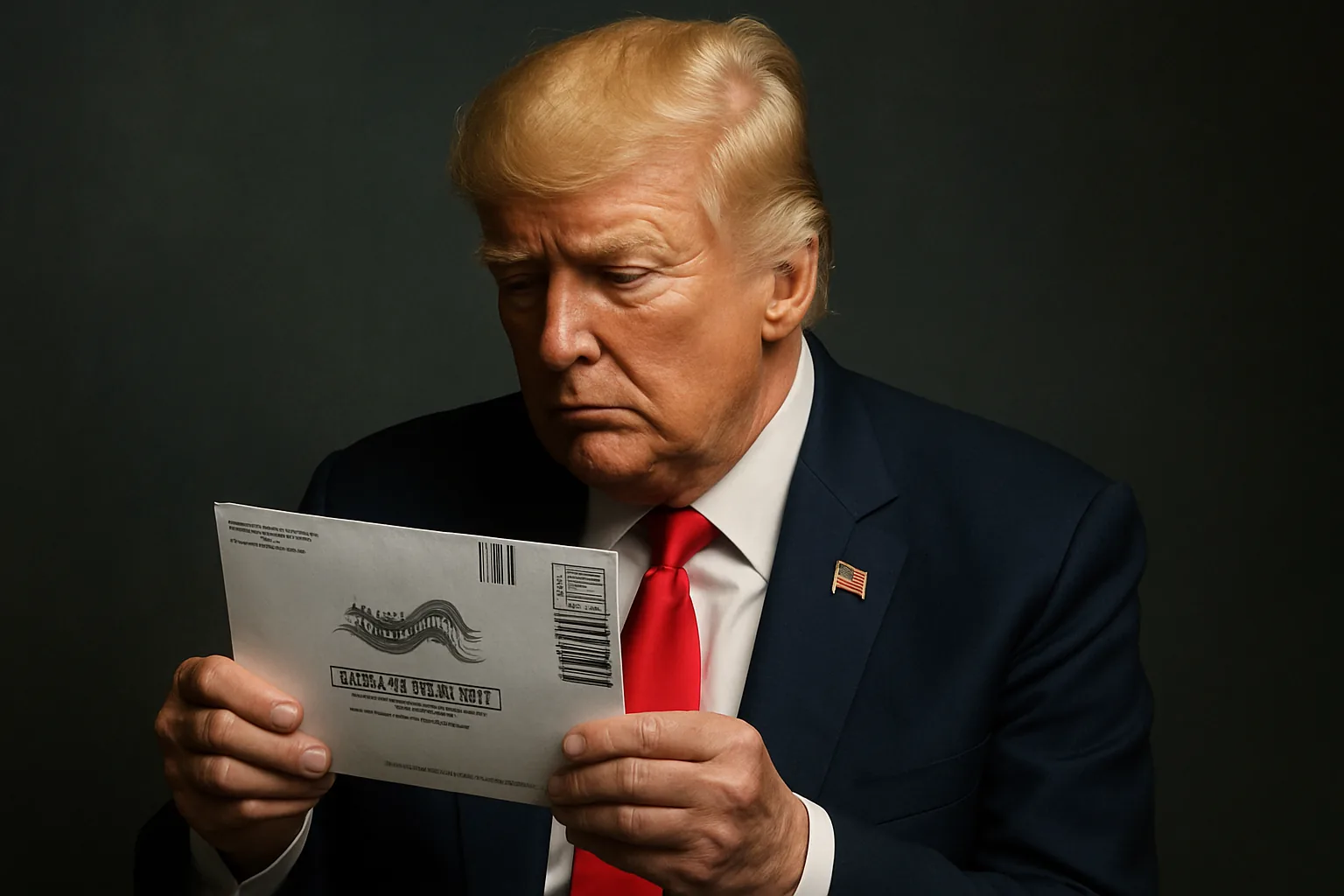
The contradiction between denouncing mail voting in public and using it personally matters because it is not merely a personal inconsistency. It reflects a broader political tactic. A voting method can be framed as suspect or dangerous in rhetoric while still being treated as legitimate when it serves individual convenience. That split is politically useful because it weakens trust in the system without requiring the speaker to actually give up access to it.
That is why stories like this resonate. They expose the gap between message and conduct in a part of politics where legitimacy is the whole issue. When a leader tells supporters that a voting method is tainted and then participates in that same method, the contradiction does more than invite charges of hypocrisy. It reveals how election rhetoric often functions instrumentally rather than consistently.
Why the contradiction is politically significant
Voting arguments matter because they shape public confidence more than many other policy disputes. If people are persuaded that a method is inherently fraudulent or suspect, they may begin to treat adverse outcomes as illegitimate before the ballots are even counted. That makes rhetoric about voting systems unusually consequential.
When the same figure still uses the method in practice, it suggests the public warning was never fully about principle. It was about narrative control.
Why personal use does not cancel public damage
Some defenders will argue that the contradiction is overblown because many politicians operate pragmatically within systems they criticize. But voting is different from most policy areas. Public trust is part of the system itself. A person who undermines confidence in a process while privately relying on it is not simply being flexible. He is benefiting from the very legitimacy he is eroding for others.
That is what gives the issue real force. The contradiction is not embarrassing only because it looks opportunistic. It is damaging because it treats democratic confidence as something selectively disposable.
A useful way to frame it is this: the problem is not that the critic used mail voting. The problem is that he expected the system to remain trustworthy enough for his own ballot while persuading others not to trust it.
Why Florida sharpens the point
Florida matters in this conversation because it has often served as both a practical and symbolic battleground in election politics. Using mail voting there while condemning the broader practice helps illustrate how local convenience and national rhetoric can be separated when politically advantageous.
That separation is part of the pattern. The method is not rejected on consistent operational grounds. It is framed differently depending on who benefits, where it happens, and what narrative is being served at the time.
What the deeper lesson is
The most important takeaway is not simply that politicians can be hypocritical. It is that democratic rhetoric is often less about coherent standards than about mobilizing distrust strategically. Once that becomes visible, the contradiction looks less like a personal flaw and more like a structural style of political communication.
That matters because election systems rely on broad confidence to function peacefully. Repeatedly telling the public that a lawful method is corrupt while continuing to use it personally corrodes that confidence in ways that can outlast one election cycle.
This is why the story has staying power. It is not merely about catching someone being inconsistent. It is about showing how attacks on electoral legitimacy can coexist with private dependence on the same institutions those attacks are weakening.