
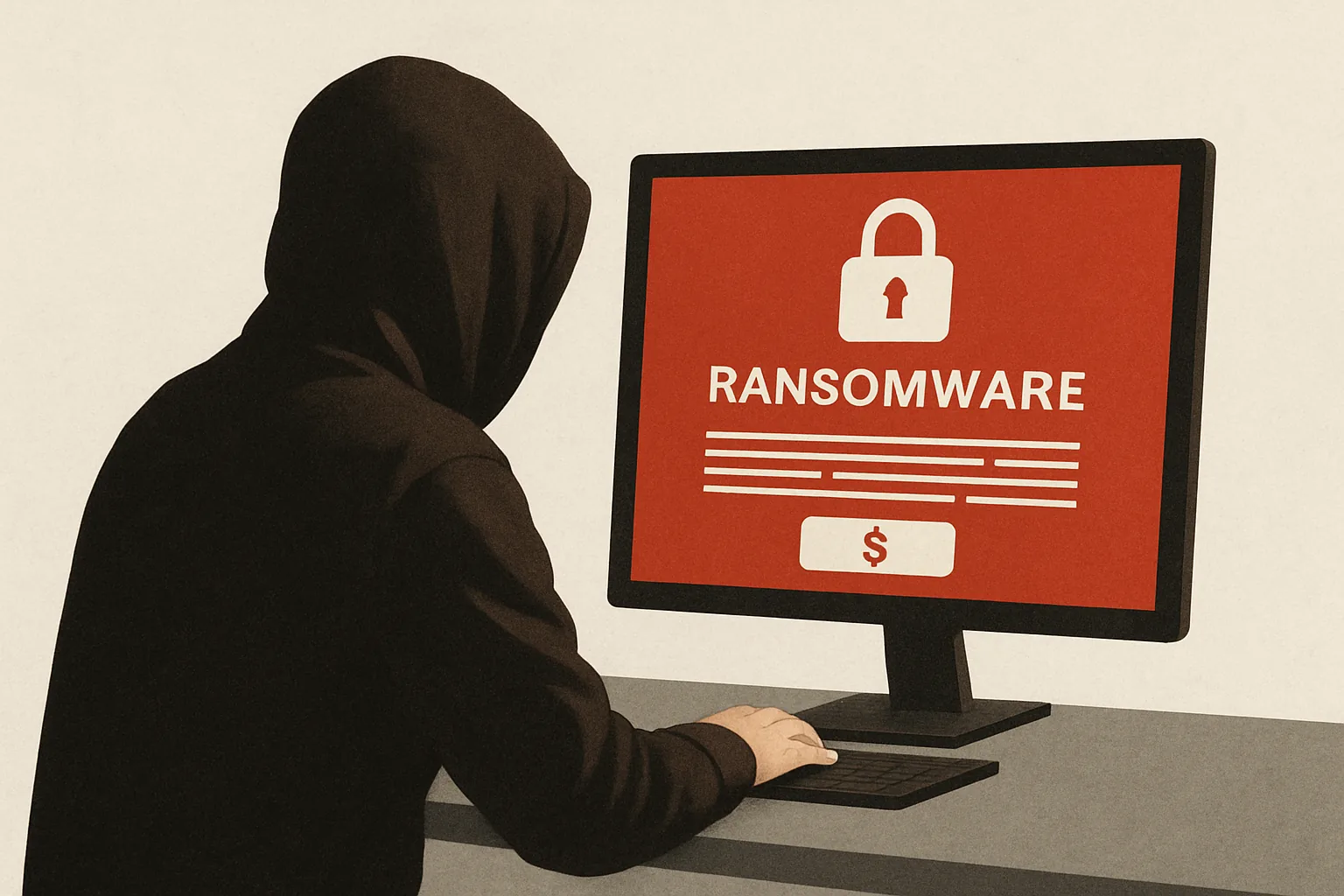
Trio-Tech International says a Singapore subsidiary was hit by file-encrypting ransomware on March 11, 2026, encrypting certain files on its network. The company says the subsidiary took systems offline right away, launched an investigation with outside cybersecurity professionals, and notified law enforcement. On its face, that reads like a familiar containment story. The more important detail came later: after attackers published data stolen from the network, management concluded the incident may be material.
That shift is the real story here. It shows how ransomware incidents no longer sit neatly in the old categories of either “systems down” or “problem contained.” Even when a company moves quickly to isolate affected systems, the business impact can change once data theft enters the picture and public leakage starts.
What Trio-Tech disclosed
According to the company’s March 20, 2026 Form 8-K, the attack occurred on March 11 and led to the encryption of certain files in the subsidiary’s network environment. The company says the subsidiary immediately activated response protocols and proactively took systems offline to contain the incident. It also began an investigation with third-party cybersecurity professionals, informed law enforcement, and started steps to restore affected systems and increase monitoring.
Trio-Tech also said the subsidiary is notifying affected parties as required by applicable law. At the time of the filing, the company said it had not yet determined the full scope of potentially affected data. It added that the subsidiary is working with its cyber insurance provider to support investigation, remediation, and the potential claims process.
The turning point came on March 18, when there was unauthorized disclosure of data taken from the network. SecurityWeek reported that the publication of stolen data is what pushed management to conclude that the incident may constitute a material cybersecurity event.
Why the materiality change matters
There is a practical lesson in the timeline. Early in an incident, companies often know only a few hard facts: systems were encrypted, some operations were interrupted, and containment actions have started. That is not enough to fully judge business impact. Once stolen data is published, the calculation changes. The company has to consider legal notice obligations, customer and partner exposure, reputational damage, and whether the consequences are large enough to matter to investors.
Trio-Tech’s disclosure captures that progression in a fairly direct way. The company did not present the event as clearly material from day one. It said the incident was initially not considered to have a material impact. Then the facts changed. That matters because it reflects the way real incidents unfold: assessment is iterative, not fixed at the first sign of compromise.
For readers outside security teams, this is one of the easiest points to miss. A company can appear to have contained an attack operationally while still moving into a more serious disclosure posture because the data-risk side of the event is still developing.
Why this lands differently in semiconductor services
Trio-Tech is not just any small public company. It provides semiconductor back-end solutions, including manufacturing, testing, and distribution services. Businesses in that position sit inside production and delivery chains where downtime and trust both matter. A ransomware event affecting a subsidiary in that environment raises questions that go beyond a few encrypted machines.
If a service provider in chip manufacturing or testing loses access to internal systems, even briefly, customers and partners will want to know whether schedules, documentation, internal records, or shared operational data were affected. Trio-Tech has not said that any specific customer information or operations were compromised, and it has said the scope assessment is still ongoing. Still, the category of business matters here because the operational role is sensitive even when public facts are limited.
The incident also underlines something many operators already know: ransomware is now commonly a two-part problem. Encryption is the visible disruption. Data theft is the pressure tactic that can prolong the event, complicate legal obligations, and increase the odds that an initially narrow technical issue turns into a broader business issue.
A concrete example of what changes after a leak
Imagine a subsidiary that handles testing workflows and internal documents for customer orders. If ransomware encrypts a slice of the network, the first response is mostly operational: isolate systems, investigate, restore backups, and keep the issue from spreading. If those steps work, management may reasonably view the event as serious but contained.
Now add a leak-site posting with files taken from the same environment. The problem is no longer just about restoration time. The company has to figure out what was exposed, who must be notified, whether the documents include partner information or sensitive records, and whether the resulting fallout could affect the business in a meaningful way. That appears to be the kind of transition Trio-Tech is now dealing with.
What to watch next
The most important unresolved issue is scope. Trio-Tech has said it has not yet determined the full extent of potentially affected data. Until that work is complete, outside readers do not know how broad the exposure was or what categories of information may have been involved.
There is also the question of operational impact. The company said the subsidiary is working to restore affected systems and enhance monitoring, but it did not provide detailed public information on whether customer-facing services or production-related activities were disrupted. That leaves open the possibility of follow-on disclosures if the investigation uncovers broader consequences.
Another point worth watching is attribution. SecurityWeek reported that the Gunra ransomware group added Trio-Tech to its Tor-based leak site, but Trio-Tech itself has not publicly identified a threat actor in its SEC disclosure. Until the company confirms that link or releases more incident details, the safer reading is that the attribution remains unconfirmed by the victim company.
The bigger takeaway
Trio-Tech’s filing is useful because it shows a detail that often gets flattened in public writeups: the business significance of a cyber incident can change days after the initial intrusion. The attack happened on March 11. The data disclosure followed on March 18. By March 20, the company was telling investors the incident might be material.
That timeline is short, but it is long enough to show why companies should be careful about early certainty. In ransomware cases, the first version of the story is often incomplete. Containment may be quick. Confidence may not be.
For founders, operators, and board-level readers, that is the practical lesson. Incident response is not only about getting systems back online. It is also about reassessing consequences as new facts emerge, especially when stolen data turns a local network event into a disclosure, legal, and trust problem at the same time.