
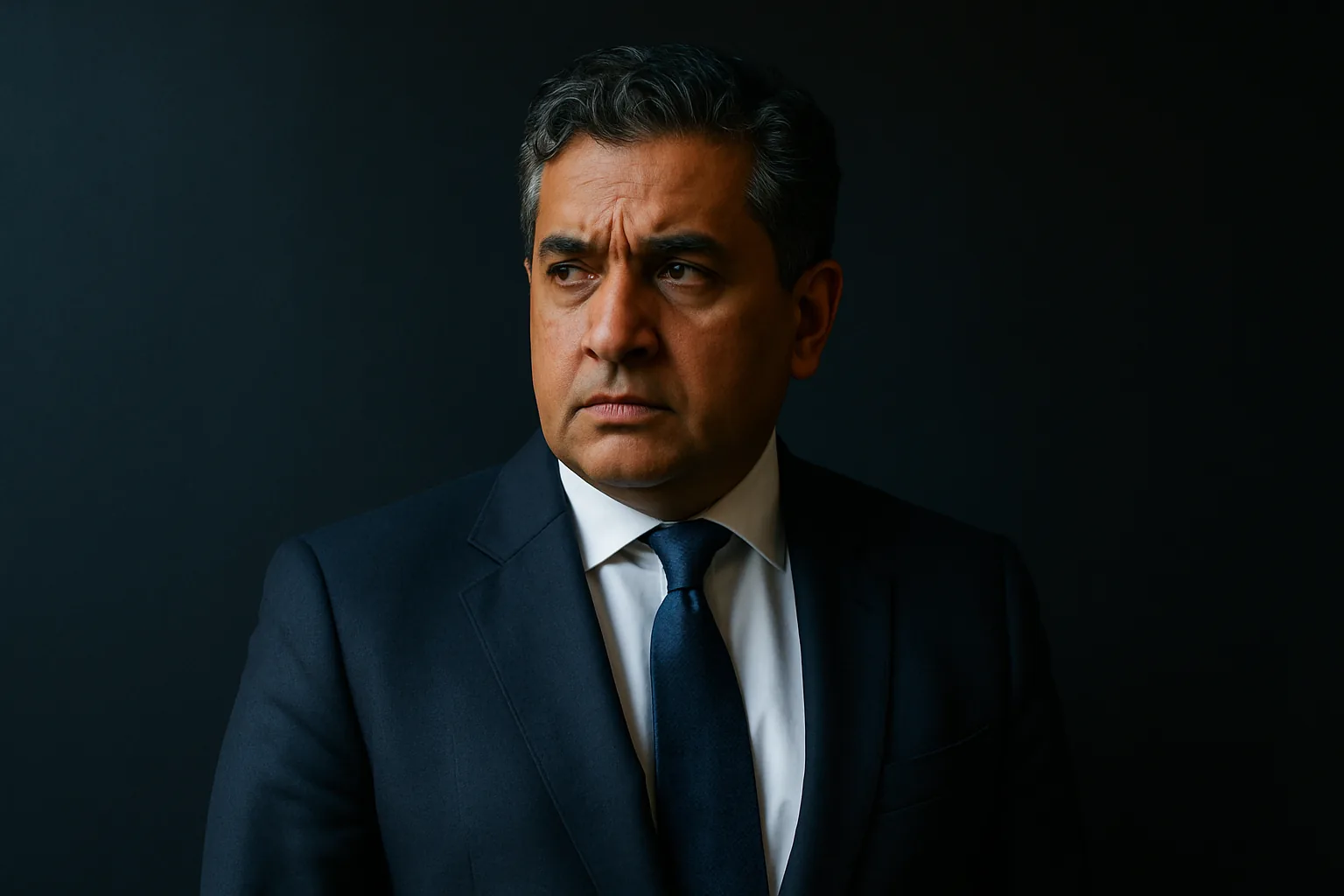
Debates over public Islamic prayer matter because they quickly become proxies for larger questions about belonging, public order, and the moral tone of politics. When a senior political figure warns against fear-mongering, the significance lies not merely in defending one practice. It lies in resisting a style of argument that treats visible religious difference as inherently threatening. That choice affects how minority communities understand their place in public life and how broader audiences learn to interpret cultural difference.
This is why the argument matters beyond one controversy. Political language helps determine whether a plural society experiences diversity as routine, contested, or dangerous. Even when the practical issue is narrow, the symbolic effect can be wide.
Why the framing matters more than the incident alone
Many cultural disputes are less important for the factual event itself than for the narrative built around it. A public-prayer debate can be framed as coexistence, as a logistical question, or as evidence of national decline depending on who is speaking. Those choices influence public emotion more than the event on the ground often does.
This is why warnings against fear-mongering matter. They push back on the escalation logic that turns ordinary visibility into a political alarm signal.
A useful way to think about it is this: the real contest is often over the story attached to the event, not the event alone.
Why mainstream conservative voices carry special weight
When criticism of inflammatory rhetoric comes from within the political right rather than only from opponents, it can have a distinct effect. It suggests that social restraint and civic confidence are not owned by one ideological camp. That matters because debates around religion and national identity often harden quickly once they are coded as partisan tribal conflict.
This is one reason the story matters. A warning from a Tory peer or other establishment conservative figure can signal that boundary-setting inside the party still matters, even on issues that attract emotional polarization.
Why this affects minority confidence in public life
For Muslim communities, public controversies of this kind are not experienced as abstract exercises in free speech. They are read as signals about how secure public belonging really is. If routine or peaceful religious visibility is repeatedly cast as suspect, the result can be a quieter but real erosion of trust in institutions and fellow citizens.
That is why the debate matters beyond Westminster language games. It shapes whether pluralism feels protected in practice or merely tolerated when politically convenient.
Societies do not only reveal their values through laws. They reveal them through what kind of rhetoric is treated as acceptable when tensions rise.
What matters next
The key question is whether political leaders reward alarmism or normalize a calmer, more civic-minded tone. The answer will shape not only this controversy but also how future disputes over religion, identity, and public space are handled.
That is why warnings against fear-mongering matter. They are part of the ongoing fight over whether democratic politics can preserve social confidence without turning visible difference into permanent suspicion.
In these debates, moderation is not weakness. It is often the clearest sign that leaders still trust the society they claim to represent.