TikTok has partnered with Cameo to let U.S.-based creators offer personalized video requests directly inside TikTok. Fans can request those videos without leaving the app, and creators can join Cameo’s marketplace through a native flow instead of sending followers elsewhere.
That sounds small on the surface: one more monetization button, one more creator tool. But the real story is about control. TikTok is trying to make the app not just the place where creators build attention, but the place where that attention turns into revenue.
What TikTok actually added
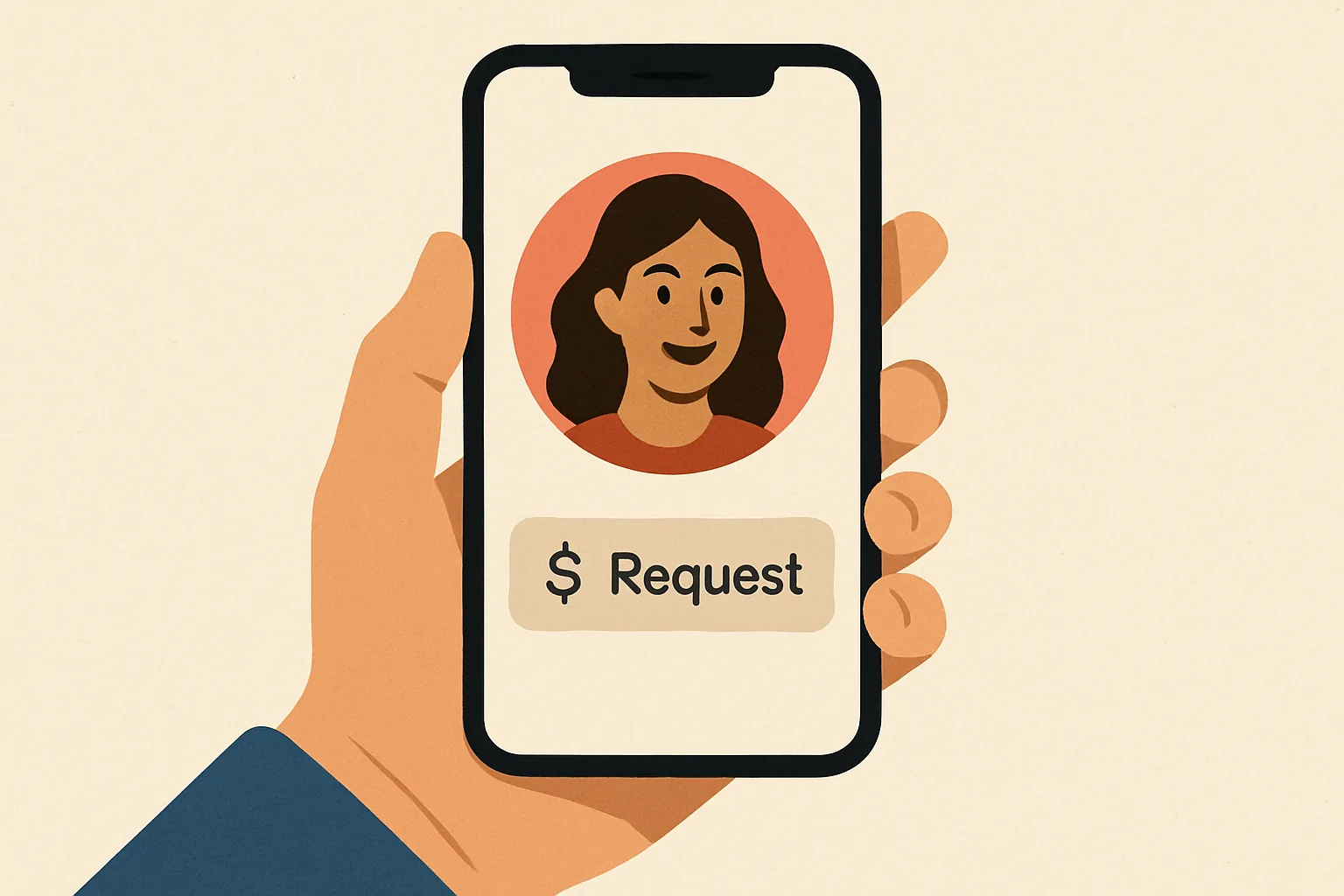
According to TikTok’s March 31 announcement, creators in the U.S. can now offer personalized Cameo videos directly to their audiences on TikTok. The integration includes customized call-to-action buttons on TikTok content, so followers can request a Cameo without bouncing out to another site or app.
For creators already on Cameo, that gives them a more direct route from a piece of TikTok content to a paid request. For creators who are not yet on Cameo, TikTok says they can sign up within the app and start offering the service through Cameo’s marketplace.
TikTok also says users can search for “Cameo” inside the app to browse the available creator library. That matters because it turns the feature into more than a profile add-on. It becomes a discoverable commerce layer inside TikTok itself.
Why this matters beyond one feature
The biggest win here is reduced friction. Every extra step between fan interest and payment usually kills conversion. If a follower has to leave TikTok, open another page, create an account somewhere else, and then figure out how to place a request, some percentage will drop off. A native request path is simply cleaner.
That is good for creators, because personalized videos are a straightforward revenue stream that does not depend on brand deals or platform-wide payout formulas. It is also good for TikTok, because native monetization features give creators another reason to stay anchored to the platform.
This is the more interesting competitive angle. Social apps have spent years competing for creator attention through views, discovery, and ad-revenue programs. The next fight is harder and more valuable: who owns the actual income rails around creators? If TikTok can host discovery, fan engagement, and more purchase activity in one place, it becomes harder for creators to treat monetization as something that happens elsewhere.
That helps explain why this partnership is more consequential than a standard integration announcement. TikTok is not building a broad new monetization category from scratch. It is plugging a known fan-spending behavior into the core product and removing the usual off-platform handoff.
A simple example of the change
Take a creator whose audience regularly asks for birthday shoutouts in the comments. Before this partnership, that creator might tell followers to visit Cameo elsewhere, put a link in bio, or mention it in captions. Some fans would follow through. Many would not.
With the new setup, the request can begin from the content the fan is already watching. The leap from “I want this creator to make a custom video” to “I’m placing the request” gets shorter. That does not guarantee demand, but it removes a common reason demand fails to convert.
For creators, that is the practical shift. The monetization option is no longer adjacent to the audience experience. It sits much closer to it.
Why Cameo benefits too
The partnership also gives Cameo access to a stronger distribution channel at a time when creator businesses are increasingly tied to short-form platforms. Coverage published after the announcement said TikTok talent had its strongest year on Cameo in 2025. If that claim holds, Cameo has a clear reason to deepen its relationship with the platform sending it growing creator supply and fan demand.
There is a mutual dependency here. TikTok gets a proven format for one-to-one fan monetization. Cameo gets a more direct path into the app where a large amount of creator attention already lives.
That is more efficient than asking creators to manually stitch together separate audience, discovery, and monetization layers. It also gives Cameo a way to feel less like an external destination and more like an embedded service.
What changes for creators
Not every creator will care. Personalized videos work best for creators with recognizable identity, recurring audience requests, or communities that already want shoutouts, reactions, or custom messages. Still, the partnership widens TikTok’s monetization mix in a useful way because it serves a different kind of creator economy behavior than ads or subscriptions.
- It gives creators another paid product besides sponsored content.
- It ties earning potential to fan intent, not just algorithmic reach.
- It lowers the setup burden for creators who have not yet joined Cameo.
That matters especially for mid-tier creators. The largest stars usually have multiple revenue streams already. Smaller and mid-sized creators are the ones most likely to benefit from a cleaner path to relatively simple paid interactions.
What to watch next
The immediate question is adoption. A native flow removes friction, but it does not automatically create demand. The feature will matter if creators actually use the CTA placements, if fans understand what they can request, and if the in-app discovery around Cameo becomes visible enough to drive repeat behavior.
The second question is whether this stays limited to the current setup or becomes part of a broader in-app services model. Once a platform proves it can keep more fan transactions inside the feed environment, it has a reason to test more formats that sit between content and commerce.
That is why this partnership deserves attention. TikTok is not merely adding another creator perk. It is tightening the connection between audience engagement and creator earnings, and doing it in a way that reduces the need to leave TikTok at all.
For fans, that means less friction. For creators, it may mean more conversions from the audience they already have. For TikTok, it is another step toward becoming the place where creator business happens, not just the place where creator attention starts.