
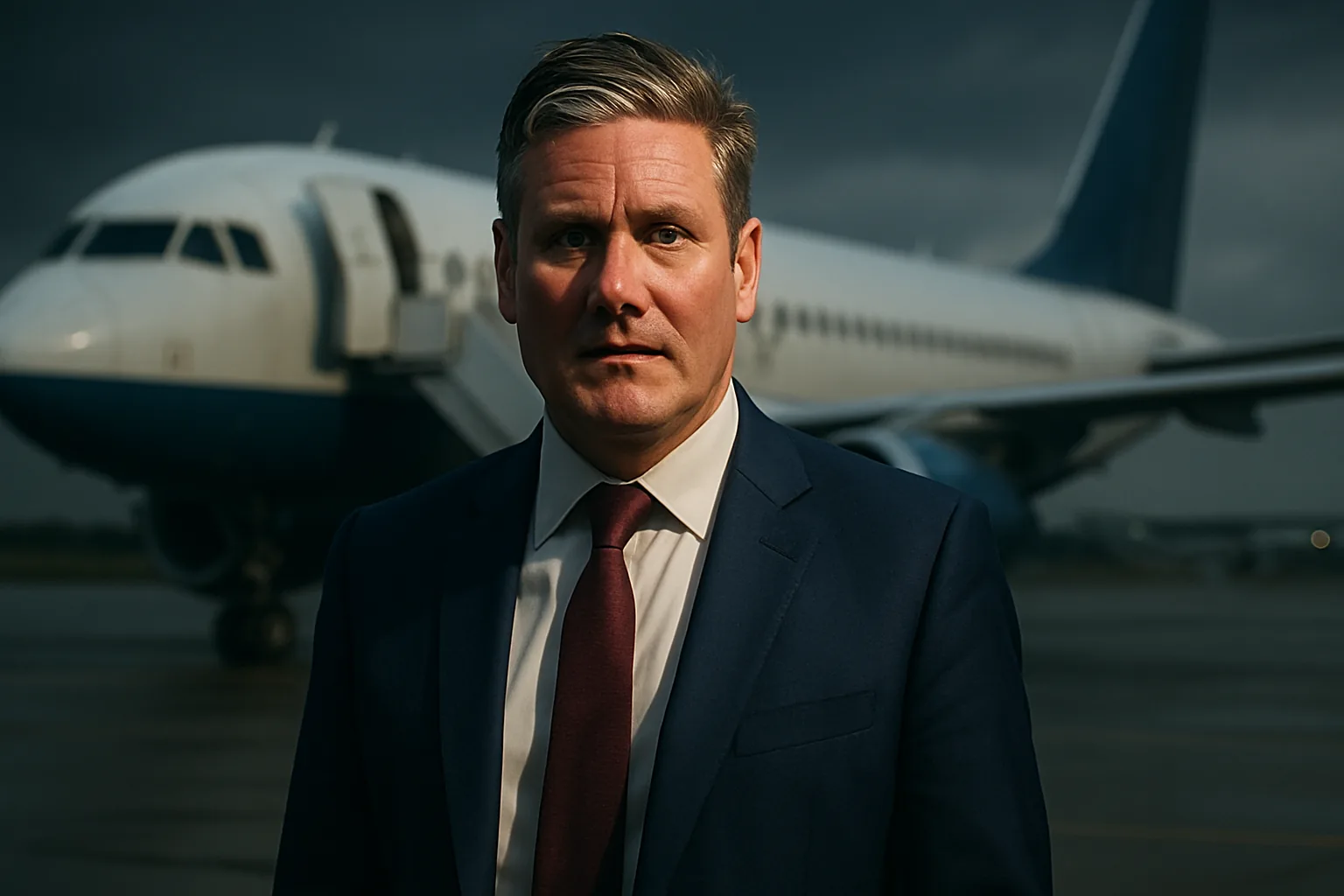
Government travel spending matters because budgets are one of the clearest ways priorities become visible. Foreign trips are not just logistical line items. They reflect a theory of what leadership requires, what relationships need cultivation, and how much value ministers believe can be created by showing up abroad in person. That is why rising overseas travel costs under Keir Starmer's government carry political meaning beyond the receipts.
The interpretation is inherently double-sided. Increased foreign engagement can be defended as strategic seriousness in a world of unstable alliances, climate negotiations, trade positioning, and geopolitical strain. But the same spending can look indulgent or poorly timed if domestic pressures are acute and the tangible benefits of travel are not easy to explain. This tension is what makes the figures politically interesting.
Why travel spending becomes symbolic quickly
Unlike many areas of government expenditure, foreign travel is legible to the public in a highly visual way. People picture flights, delegations, summits, and the optics of leaders abroad. That visibility makes the spending easier to criticize or defend in symbolic terms. It is not only about pounds spent. It is about whether the public thinks the trips represent seriousness or spectacle.
This is why transparency reports on travel can trigger wider political arguments. They condense a government's external posture into something measurable and easy to narrate.
Why international activity can still be strategically necessary
A government entering office during a volatile period may reasonably conclude that diplomacy, alliance repair, and participation in international forums require more travel, not less. In that case, higher spending is not evidence of drift but of a different strategic baseline. The problem is that necessity does not advertise itself automatically. Governments still have to explain what each new rhythm of travel is meant to accomplish.
Without that explanation, even purposeful travel can look like elite motion rather than statecraft.
A useful way to frame it is this: travel spending becomes politically sensitive when the symbolism of being abroad outruns the clarity of what being abroad is supposed to achieve.
Why timing shapes public tolerance
Spending that feels acceptable in a period of comfort can look very different during cost-of-living stress or domestic institutional strain. Voters often compare elite mobility with everyday pressure, even when the comparison is not strictly economic. That emotional contrast matters. It affects whether international engagement is interpreted as leadership or detachment.
This is why travel budgets are never purely administrative. They are filtered through the mood of the country at the moment they are disclosed.
What to watch next
The important questions are whether the government can connect travel to visible policy outcomes, whether costs keep rising, and whether the opposition succeeds in framing the spending as misaligned with domestic priorities. Those factors will decide how durable the criticism becomes.
That is why the story matters. It shows how the politics of government spending are often decided not only by the amount spent, but by whether the public believes the purpose was worth the display.
When travel budgets rise, the real question is not simply what the trips cost, but what kind of governing philosophy they reveal.