
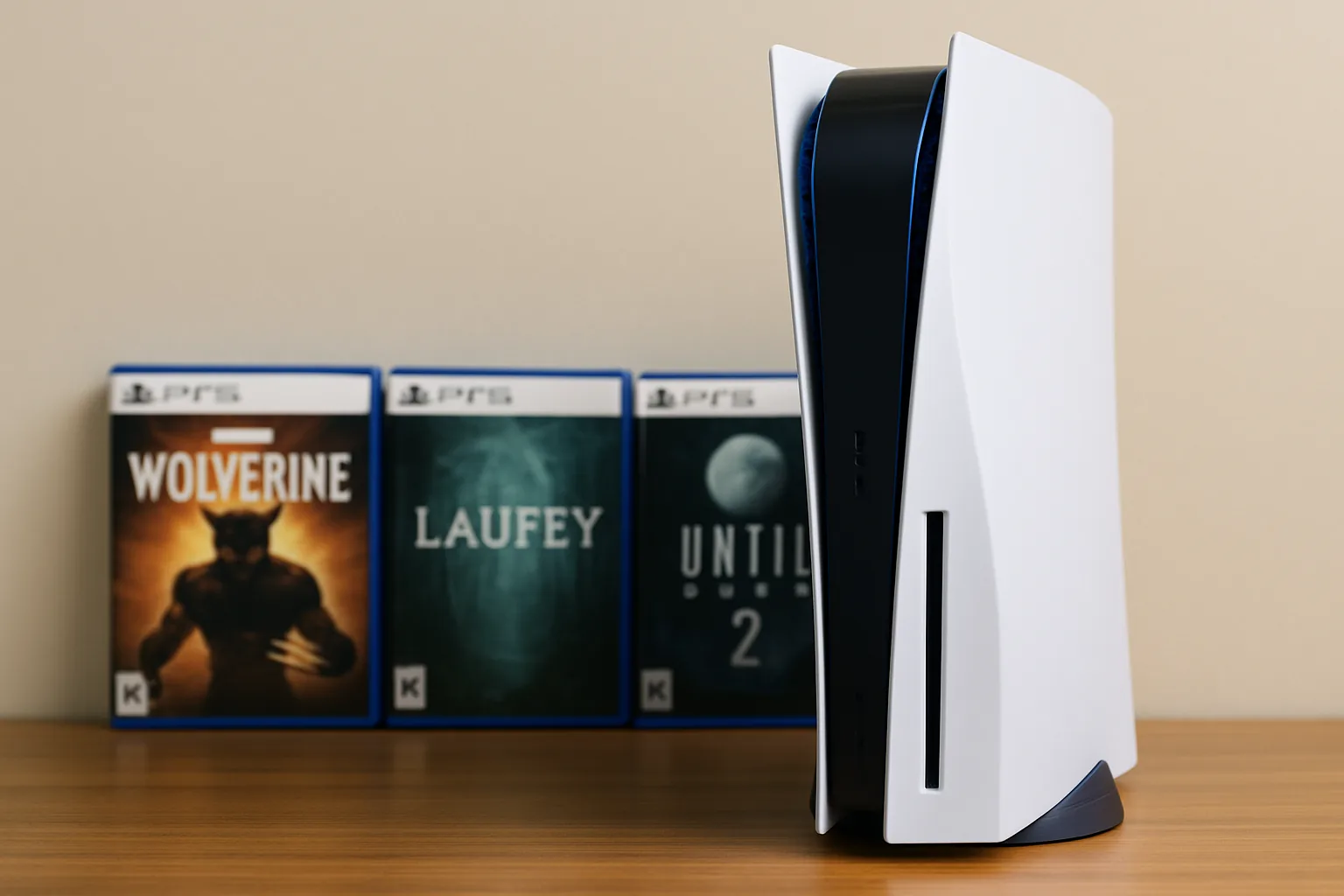
Sony’s June 2026 State of Play was less about one surprise and more about calendar control. The presentation ran for more than an hour, opened with Insomniac’s Marvel’s Wolverine, closed with the reveal of God of War Laufey, and filled the space between with release dates, gameplay updates, and new looks at games aimed at carrying PlayStation 5 through the rest of 2026 and into 2027.
The most immediate headline was Marvel’s Wolverine. Sony and Insomniac showed an extended gameplay and story trailer, giving players a clearer sense of the game’s tone: close-range, violent, and built around Wolverine’s physicality rather than superhero spectacle at a distance. The trailer also confirmed appearances from characters including Jean Grey. According to the provided source material, the game is set to launch as a PS5 exclusive on September 15, 2026, priced at $69.99.
That matters because Wolverine is not just another licensed action game in Sony’s lineup. Insomniac has become one of PlayStation’s most important first-party studios, especially after its work on Spider-Man. Showing Wolverine first positioned it as the anchor of the presentation, while the September date gives Sony a major exclusive before the year-end rush.
A showcase built around dates, not just trailers
State of Play events often work as attention machines: a recognizable logo, a minute of footage, a short release window, and then the next reveal. This one appears to have had a more practical job. Sony’s own summary emphasized that several games confirmed launch dates for later this year, including Control Resonant, Onimusha: Way of the Sword, and Silent Hill: Downfall.
That shift from “coming soon” to dated releases is useful for players and for publishers. A release date lets fans decide what to follow closely, what to preorder, and what to delay. For Sony, it also turns the PS5 lineup from a loose promise into a schedule.
A simple example: a player who is planning around one $69.99 purchase in September now has a clearer decision. If Wolverine lands on September 15 and Control Resonant follows later that month on September 24, those two games may compete for the same money and attention, even if they appeal to somewhat different players. That is the kind of pressure a release calendar creates. It helps audiences plan, but it also makes each game’s positioning matter more.
Wolverine sets the tone for Sony’s first-party push
The Wolverine trailer did more than confirm that the game exists in a fuller form. It clarified the kind of superhero experience Insomniac is trying to sell. Spider-Man games are built around speed, traversal, and expressive movement through a city. Wolverine, by contrast, is naturally a more grounded character. The footage described in the source points toward brutal combat and story stakes tied to recognizable X-Men characters.
That difference is important. Sony does not need Wolverine to look like Spider-Man with claws. The value of the license is in making players feel the weight of Logan: close quarters, fast healing, rage, and personal conflict. The appearance of Jean Grey also signals that Insomniac is not treating the game as a purely isolated character piece. It has room to connect Wolverine to a wider Marvel cast without necessarily making the game feel crowded.
The PS5-exclusive status also gives Sony a straightforward message: this is a platform game, not just a Marvel game. At a time when more publishers are trying to spread big releases across platforms, exclusivity still matters when the title is large enough to influence buying decisions or keep existing owners engaged.
God of War Laufey is the long-tail reveal
If Wolverine was the near-term anchor, God of War Laufey was the long-tail conversation starter. Sony used the end of the presentation for the reveal, which is usually the slot reserved for a title meant to linger after the stream ends.
The source material does not provide enough detail to make firm claims about gameplay, release timing, or story structure. Still, the title alone is notable. Laufey is central to the modern God of War family story, and putting that name in the title suggests Sony is willing to keep exploring the series beyond Kratos as the sole point of gravity.
That does not mean the franchise is abandoning its core identity. It does mean PlayStation has a strong reason to widen the lens. God of War is one of Sony’s most valuable narrative action brands, and a Laufey-focused project could let the series explore familiar mythology from a different emotional and historical angle.
The middle of the show may matter most for 2026
Big exclusives draw the headlines, but the healthier sign for PS5 owners is the density around them. Sony’s summary points to a “barrage” of release dates and updates, including games across action, horror, simulation, and adventure.
Among the listed titles, Control Resonant stands out because it now has a global PS5 launch date of September 24, 2026. Onimusha: Way of the Sword and Silent Hill: Downfall also fit into a late-year slate that leans heavily into action and horror. Meanwhile, Bandai Namco’s aerial combat sim is dated for October 2, 2026 on PS5, promising a campaign, tactical maneuvers, 30 aircraft, and battles involving enormous transport aircraft and land-based ships.
The presentation also included Bancho The Chef, a standalone prequel to Dave the Diver. Its pitch is lighter and stranger: a cooking sim mixed with a globe-trotting RPG, where players cook for customer satisfaction, build restaurant reputations, learn techniques from local culinary masters, fish, pet cats, and complete cooking requests. That kind of game matters in a showcase because it breaks up the heavy action cadence. Not every PlayStation release needs to be cinematic combat.
What players should watch next
The biggest open question is how much of this lineup holds its dates. A packed late-2026 schedule is good for confidence, but it also creates crowding. September alone already looks busy if Wolverine and Control Resonant arrive nine days apart.
For players, the useful things to watch are practical:
- Hands-on impressions: Wolverine’s combat needs to feel distinct from other third-person action games, not just look more violent.
- Edition details: Games with multiple launch editions can change the real cost of buying at release.
- Platform specifics: PS5 exclusivity, performance modes, and DualSense features may influence where and when people buy.
- Delay risk: A strong calendar only matters if the dates survive the final stretch of development.
The June State of Play gave Sony a stronger answer to a simple consumer question: what am I actually playing on PS5 later this year? Wolverine is the cleanest answer, but not the only one. The more interesting takeaway is that Sony is trying to make the rest of 2026 feel planned, not patched together trailer by trailer.