
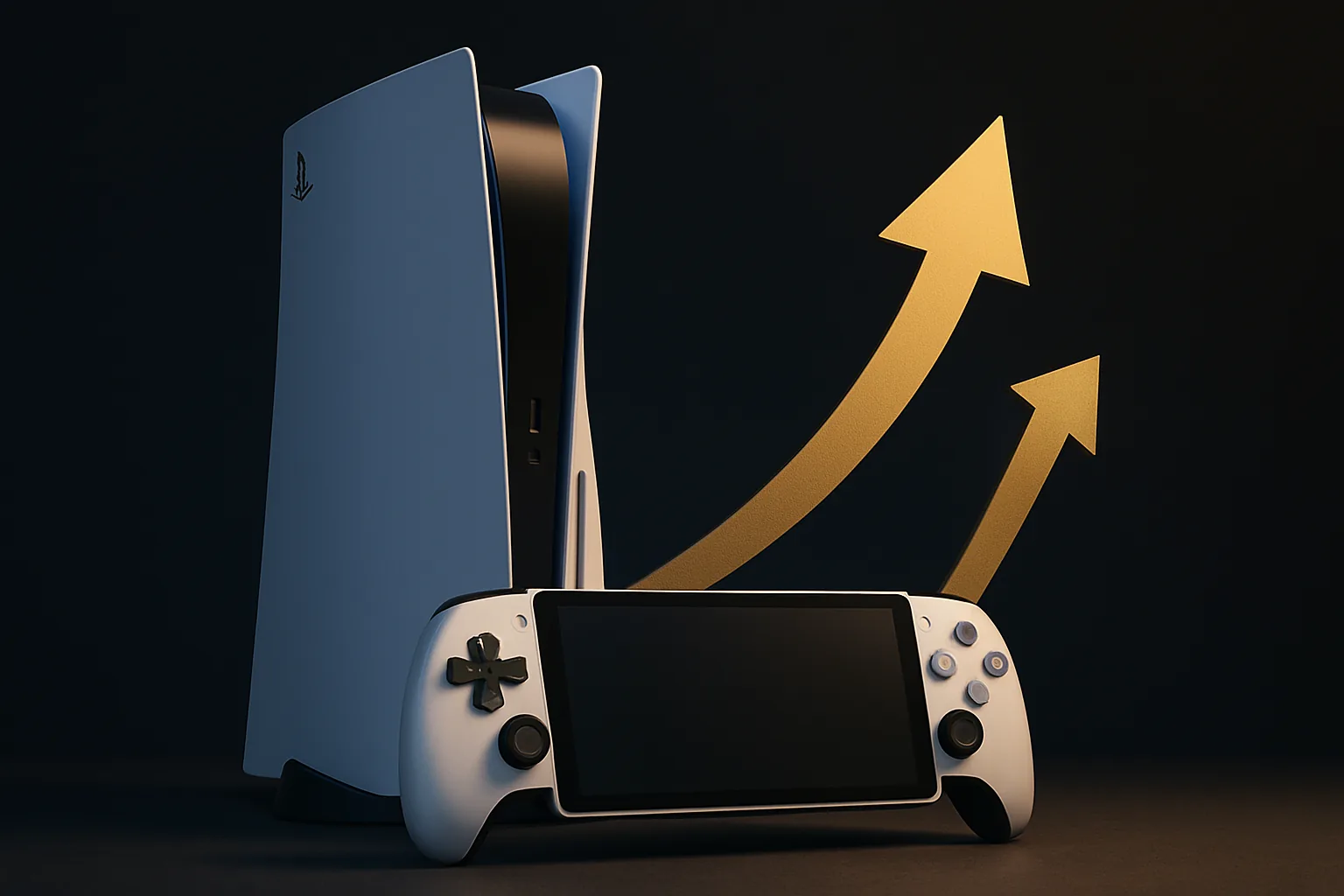
Console price increases feel disruptive because players are trained to expect the opposite pattern. Once hardware has been in the market for a while, the normal assumption is that costs stabilize or gradually soften. Sony raising prices on the PS5 line and PlayStation Portal cuts against that expectation, which is why the move lands as both a business signal and a consumer shock.
The decision matters because it shows how the games business is still exposed to larger economic pressure. Inflation, currency volatility, manufacturing costs, and distribution economics can all remain relevant even after a console generation is well underway. The idea that hardware naturally becomes cheaper over time is still useful as a historical expectation, but it is no longer guaranteed.
Why late-cycle price increases feel so jarring
A price hike is easier for consumers to accept near launch, when scarcity, novelty, and uncertainty make the economics feel less settled. Later in a cycle, the emotional logic changes. Buyers assume the company has already smoothed supply issues, learned demand patterns, and absorbed much of the launch-era volatility. Raising prices after that point feels like the usual consumer bargain has been reversed.
That is what makes Sony's move more notable than a routine adjustment. It is not only the amount. It is the timing. The timing tells consumers that the company believes macro pressure is strong enough to outweigh the reputational cost of resetting expectations.
Why Sony may believe it can do this
Brand strength is part of the equation. Sony likely understands that PlayStation remains strong enough in market position, software appeal, and installed-base momentum to survive a pricing move that would be riskier for a weaker platform. Companies do not make these decisions in a vacuum. They make them when they believe demand, brand loyalty, or competitive positioning will cushion the backlash.
That does not mean the backlash is irrelevant. It means Sony may be betting that the ecosystem remains compelling enough that the price increase will be absorbed rather than become a major demand shock.
A helpful way to think about it is this: the company is testing how much value the PlayStation brand can still command under less friendly economic conditions.
Why the Portal increase matters too
The PlayStation Portal is especially interesting in this context because it is a secondary hardware product, not the core console itself. Raising that price suggests Sony does not see the cost pressure as limited to one flagship SKU. It also suggests the company believes peripheral or companion-device demand remains strong enough to support a tougher price point than some buyers expected.
That has implications for how Sony views the wider platform. It may be signaling that even accessories and ecosystem extensions are being priced through a more defensive economic lens.
What players should take from the move
The broader lesson is that gaming hardware still lives inside the same macro system as everything else. Players may think in terms of exclusives, frame rates, and platform wars, but console makers also think in terms of margins, costs, and currency exposure. When those pressures rise, even mature hardware can become more expensive rather than less.
This does not guarantee a permanent new pricing pattern across the industry. But it does challenge an old assumption about how predictable console economics are supposed to be. Sony's move matters precisely because it makes that assumption look weaker than it once did.
For consumers, the takeaway is uncomfortable but clear. In this market, waiting longer does not always mean paying less. Sometimes it simply means meeting a different economic cycle than the one people expected.