
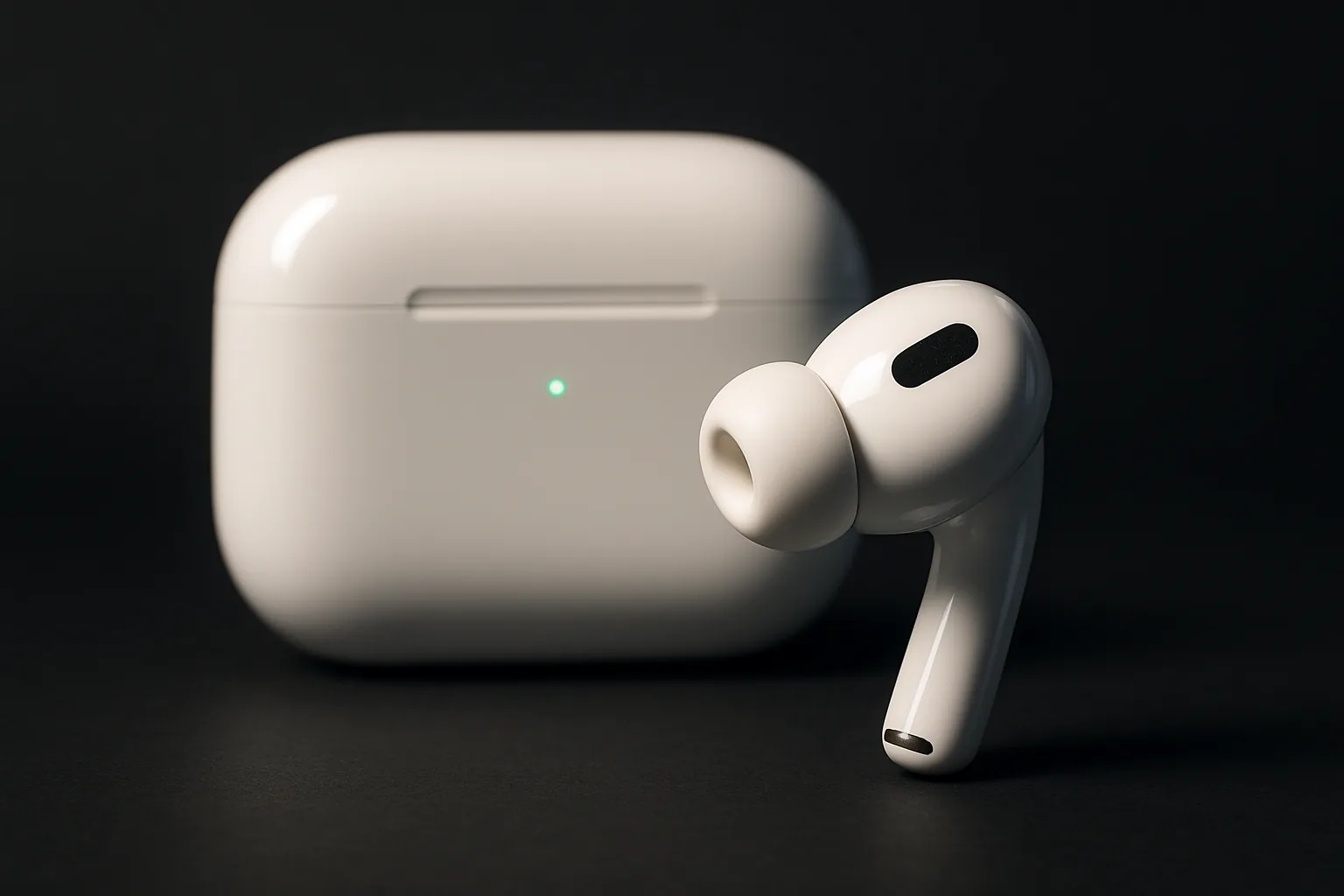
Deal coverage around consumer tech matters because pricing has become part of the product experience. Shoppers no longer ask only whether a device is good. They ask whether today is the right day to buy it. A $50 drop on AirPods Pro 3 therefore matters not just as a bargain headline, but as a signal in a market where timing, patience, and perceived value are now central to how purchasing decisions get made.
That shift is especially visible with premium accessories. Products like high-end earbuds carry enough desirability to remain relevant at full price, but they also live in a retail environment where consumers expect periodic discounts to provide permission. A sale does not merely lower the price. It changes the psychological threshold between wanting something and feeling justified in buying it.
Why discount windows matter so much now
Retail cycles have trained consumers to treat price as fluid rather than fixed. Seasonal events, platform sales, and retailer competition mean that even popular products are often understood through their discount history. People begin to remember not just the list price but the “good price,” and the difference between those two numbers becomes part of the value conversation.
This is why a headline about AirPods pricing attracts attention. It is speaking to a shopper's strategic question, not just their product interest.
Why premium Apple accessories are especially sale-sensitive
Apple products often carry strong brand gravity, but accessories sit in a slightly different category from flagship devices. Many buyers want them, but can more easily delay them. That makes discounts especially powerful. A moderate price cut can convert a long-standing maybe into an immediate purchase because the product was already trusted; what changed was the timing signal.
This is where deal writing becomes valuable. It tells consumers when the gap between premium aspiration and acceptable price has narrowed enough to act.
A useful way to frame it is this: in consumer tech, the best discount is often less about affordability than about reducing the regret of buying too early.
Why product context still matters in a deal story
A discount only works as a compelling signal if the underlying product remains strong relative to alternatives. That is why these stories still emphasize features, ecosystem fit, and how the model compares to newer releases. Price may trigger action, but confidence in the product prevents the purchase from feeling merely opportunistic.
For AirPods Pro 3, the appeal lies in that combination: a recognized product with familiar strengths now made more acceptable by a lower entry point.
What to watch next
The important question is whether this price becomes the new normal, a short-lived retail event, or a sign of broader discounting pressure in the category. Consumers increasingly learn from those patterns, and each sale teaches them what patience is worth.
That is why the deal matters. It reflects a broader consumer habit in which shopping is as much about price timing as product selection.
In a sale-trained market, value is no longer only what a product offers. It is also when the buyer decides the price has finally aligned with the desire.