
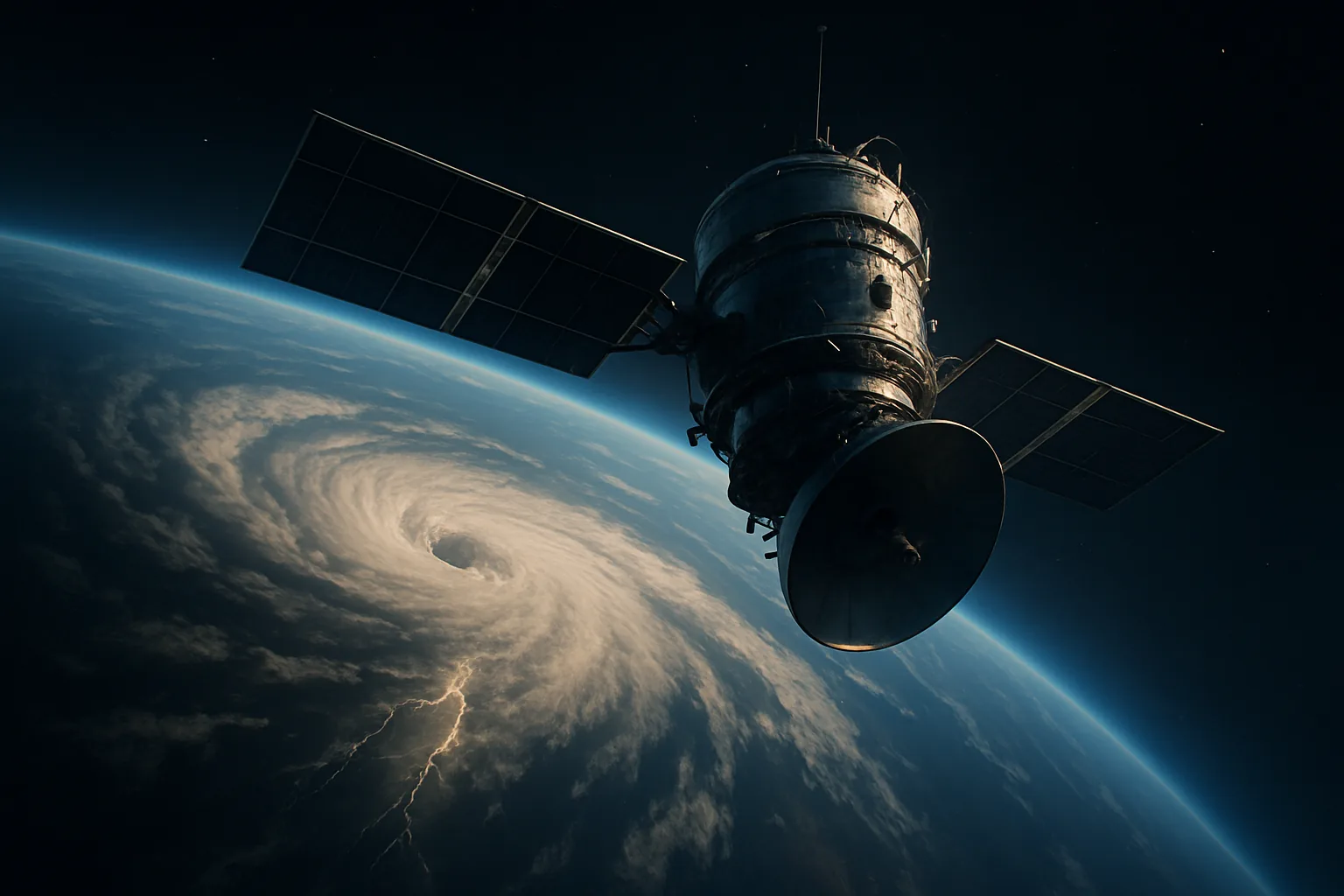
Satellite weather technology matters because severe weather is a problem of timing, scale, and visibility. Storm systems evolve over vast areas and can intensify before local observers or ground-based infrastructure can fully characterize them. Satellites help close that gap by providing broad, repeated views of atmospheric behavior that make early analysis and response far more effective. That makes them valuable not only to meteorologists, but to governments, businesses, and communities that depend on timely warnings and better situational awareness.
The significance goes beyond forecasting convenience. When people talk about disaster preparedness, they are often talking indirectly about the quality of information available before a situation becomes chaotic. Satellite observation is one of the key tools that makes that information possible.
Why severe-weather monitoring depends on orbital perspective
Many weather threats unfold across geographic scales that are difficult to understand from the ground alone. Tropical systems, wildfire smoke, large storm fronts, and cloud patterns become more legible when viewed from above and over time. Satellites provide the continuity that helps forecasters distinguish between temporary noise and developing danger.
This is why the technology matters. It turns the atmosphere into something that can be tracked systematically rather than reacted to only after local conditions become obvious.
A useful way to frame it is this: satellites do not stop storms, but they can reduce how surprised societies are when storms arrive.
Why the space-industry angle matters too
Space resilience is increasingly tied to Earth observation because launch schedules, orbital operations, and infrastructure planning all depend on environmental awareness. Severe weather can disrupt launch windows, damage ground assets, and complicate the functioning of the broader space economy. That means weather satellites support not only public safety on Earth but also operational continuity for space-sector activity itself.
This is one reason the story matters beyond classical forecasting. The same data that protects communities can also help protect the infrastructure behind satellites, launches, and mission planning.
Why this is a public-value technology
Satellite observation often disappears into the background of daily life because its benefits are widely distributed and not always directly visible. Better forecasts, earlier warnings, and more informed planning all depend on systems many people rarely think about. Yet these systems become especially important when risk is concentrated and response time is limited.
That is why the technology matters. It is part of the invisible public infrastructure that turns scientific observation into practical resilience.
The value of these systems is easiest to overlook precisely because they work upstream of most visible consequences.
What matters next
The key questions are whether observation capacity remains robust, how quickly data is translated into actionable forecasting, and whether governments continue investing in the satellite systems that make this resilience possible. Those choices will shape how well societies cope with a more volatile climate and more infrastructure exposure.
That is why satellite weather technology matters. It supports earlier understanding, better planning, and stronger resilience across both terrestrial and space-linked systems.
When severe weather hits, the quality of response often depends on how well the danger was seen before it became unavoidable.