
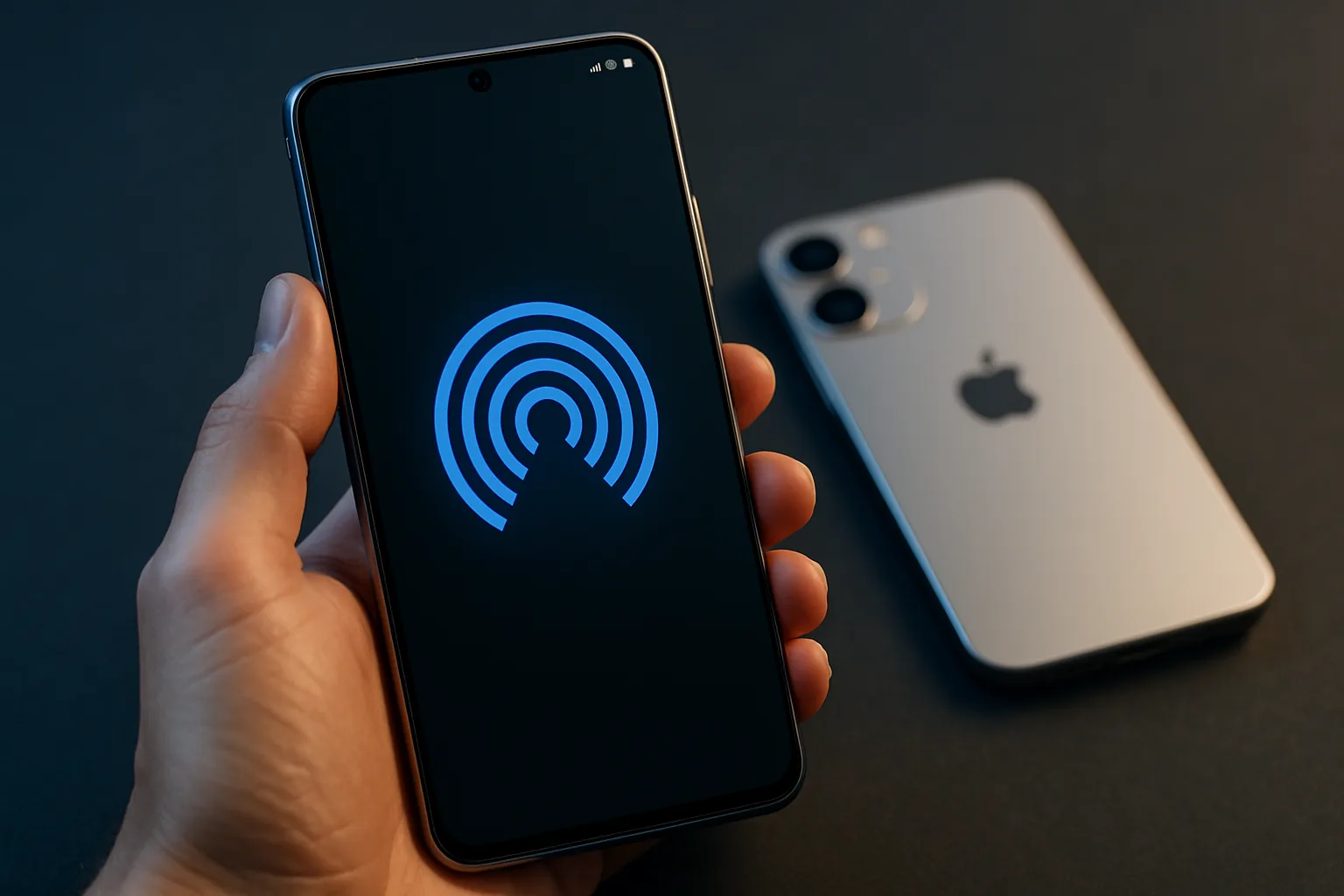
Cross-platform sharing features matter because consumer-tech competition is increasingly shifting from raw specifications toward friction reduction. For years, ecosystem lock-in was framed as a strength: the more seamlessly devices worked together inside one brand family, the more compelling it seemed to stay there. Now interoperability is becoming a competing aspiration. If a flagship Samsung phone can bridge sharing behavior that used to belong more cleanly to Apple's ecosystem, the strategic meaning goes beyond convenience.
The change matters because user expectations have evolved. People increasingly live across mixed device environments even when brands prefer they would not. A feature that reduces the awkwardness of that reality can feel surprisingly premium, not because it is flashy, but because it eliminates small recurring irritations that define everyday use more than headline specs do.
Why friction is becoming a category of innovation
Many smartphone improvements are now incremental in camera performance, processing power, or display quality. As those gains become less dramatic to ordinary users, companies need other ways to make daily life feel meaningfully better. Friction reduction fits that need. It turns seemingly minor interactions, like sharing files between devices, into visible demonstrations of a brand's understanding of how people actually use technology.
This is why cross-platform sharing features attract attention. They solve a practical annoyance that users feel repeatedly, which can matter more than a feature they notice only once.
Why ecosystem boundaries are under new pressure
Brand ecosystems still matter, but they no longer operate under the assumption that consumers will live entirely inside one of them. Work devices, family devices, and personal preferences often produce mixed environments by default. In that world, a company can gain goodwill by making coexistence easier rather than treating it as a failure of loyalty.
This does not eliminate strategic competition. It changes its language. Instead of defending walls too visibly, companies increasingly compete over who can make those walls feel less punishing.
A useful way to frame it is this: interoperability is becoming a premium feature because users increasingly value technology that respects the messiness of their actual device lives.
Why this can still be strategic for Samsung
A company opening smoother sharing pathways is not abandoning ecosystem ambition. It may instead be betting that ease of entry and mixed-environment comfort can attract users who resist harder lock-in. In that sense, interoperability can be expansionary. It makes the brand feel more accommodating without necessarily giving up the hope that convenience will later deepen loyalty.
This is why such features matter in competitive terms. They redefine what premium usability looks like.
What to watch next
The important questions are whether the feature feels genuinely seamless in practice, whether rivals answer with their own broader compatibility moves, and whether users begin rewarding reduced friction more visibly in purchase decisions. If so, ecosystem strategy itself may start shifting around everyday convenience rather than pure enclosure.
That is why the development matters. It suggests that the next phase of device competition may depend less on building higher walls and more on deciding when lower walls are actually better business.
In mature tech categories, the smartest innovation is often the one that removes a small annoyance people have simply gotten used to tolerating.