
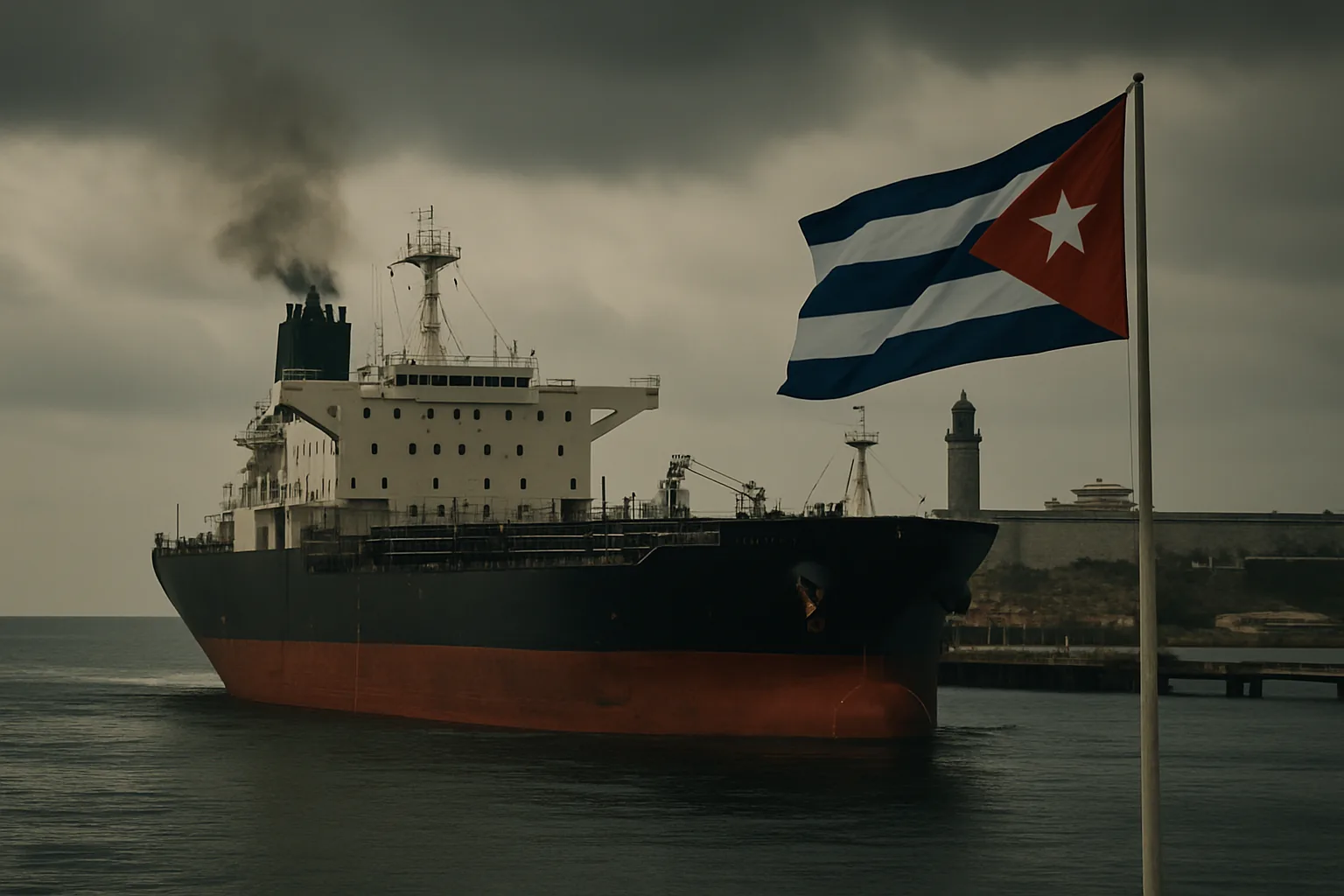
Stories about oil shipments matter because transport and trade often reveal geopolitical alignments more clearly than official statements do. When Russian energy movement intersects with suspected intelligence activity in Cuba, the significance lies not only in the cargo itself. It lies in what logistics can show about strategic positioning, covert access, and how states project influence through infrastructure that appears commercial on the surface.
This is why such reports attract attention from far beyond the energy sector. Shipping can function as a form of geopolitical handwriting. It traces which relationships are being deepened, which routes are considered strategically useful, and how power can move under the cover of ordinary commerce.
Why logistics can be an early warning system
Formal diplomacy is often delayed, coded, or strategically incomplete. Logistics are harder to hide entirely because ships move, cargoes are tracked, and patterns emerge. Analysts often learn as much from repeated material behavior as from speeches or communiqués. A route that appears commercially rational may still carry wider strategic meaning when set inside a tense geopolitical environment.
This is what makes oil shipments worth watching. They can be evidence not only of trade, but of trust, access, and deeper state alignment.
Why Cuba remains symbolically and strategically sensitive
Cuba still occupies a special place in the geopolitical imagination because of its proximity to the United States and its history as a site where larger powers tested the boundaries of pressure and projection. Any suggestion of Russian or Chinese activity there therefore resonates beyond the immediate facts. The island functions as a strategic amplifier. Moves that might seem ordinary elsewhere can feel loaded once they appear in that geography.
That does not mean every shipment or installation signals a dramatic escalation. It means the context makes interpretation harder to keep narrow.
A useful way to frame it is this: in contested regions, logistics are rarely only about moving goods, they are also about signaling who can still move power where.
Why commercial cover matters in modern rivalry
Geopolitical competition increasingly runs through dual-use structures: ports, telecom links, shipping, energy trade, and investment patterns that can serve commercial and strategic ends simultaneously. That ambiguity is part of the design. It allows states to build presence without always triggering a clean diplomatic confrontation. Oil shipments and related infrastructure can therefore become part of a wider architecture of influence.
This is one reason the story matters. It highlights how modern rivalry often advances through overlapping economic and security channels rather than overt military gestures alone.
What to watch next
The important questions are whether the shipping pattern looks episodic or sustained, whether related infrastructure or intelligence concerns deepen, and whether official responses from Washington, Havana, or Moscow begin matching the anxiety implied by the reporting. Those signals will determine whether this is treated as a contained episode or a strategic pattern.
That is why the story matters. It reminds us that in geopolitics, supply routes can become maps of power long before governments choose to acknowledge them as such.
Sometimes the first visible sign of a strategic shift is not a speech or deployment, but a ship following a route that suddenly means more than cargo alone.