
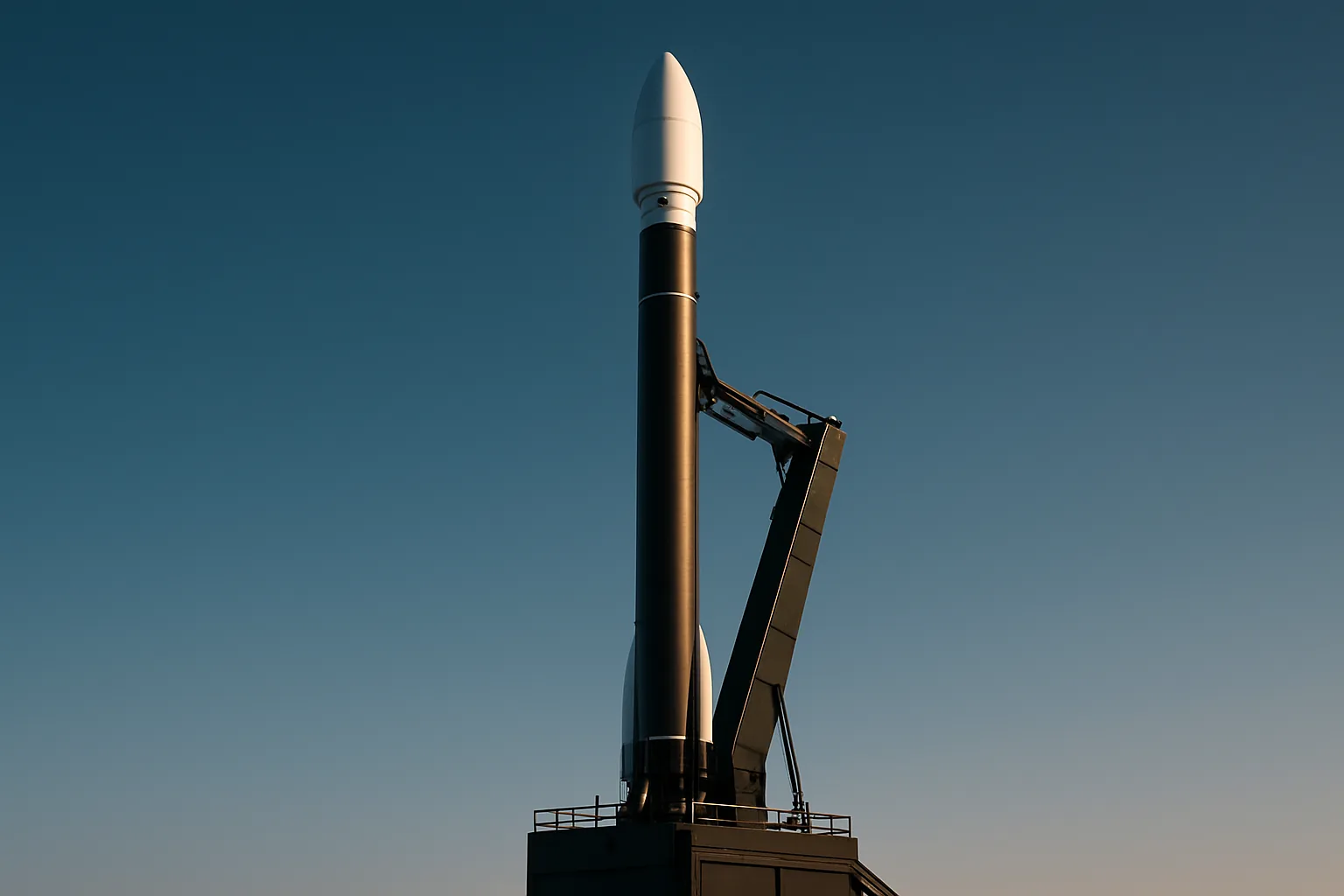
Another Synspective satellite launch matters because commercial space increasingly rewards repeatability over spectacle. In earlier phases of the sector, a launch itself could carry most of the significance. Now the meaning often lies in cadence, reliability, and whether companies can keep adding useful infrastructure to orbit without treating each deployment as an isolated milestone. Rocket Lab putting another radar-imaging satellite into space is important for exactly that reason. It suggests the market is advancing from occasional proof points toward operational routine.
That evolution matters because radar-imaging constellations depend on scale. A single satellite can be useful, but a growing network creates better revisit rates, broader coverage, and more commercially valuable data products. Each additional spacecraft therefore strengthens the business case in ways that go beyond launch success alone.
Why radar constellations are strategically important
Synthetic aperture radar is valuable because it can observe the Earth in conditions that limit ordinary optical imaging, including cloud cover and darkness. That makes radar constellations attractive for governments, insurers, logistics firms, and environmental monitoring. As demand for persistent situational awareness grows, providers with stronger deployment cadence may gain a real advantage.
This is why another Synspective launch matters. It contributes to a capability that is useful precisely because it becomes more continuous and dependable as the constellation expands.
A practical way to frame it is this: in Earth observation, more satellites do not just add capacity. They improve the reliability and commercial usefulness of the whole system.
Why Rocket Lab's role matters too
For launch providers, repeat business with constellation operators is strategically valuable. It signals that customers trust the service enough to build it into a long-term deployment plan rather than treating it as a one-off experiment. Rocket Lab's growing role in small-satellite deployment therefore says something about the broader launch market as well. Reliability and execution discipline are becoming central competitive assets.
That is important because the small-launch sector has often been judged by ambition and backlog. What ultimately matters more is whether a company becomes part of customers' recurring operational rhythm.
Why the commercial space market is maturing
Repeated constellation launches are evidence that commercial space is becoming more infrastructure-like. Investors and customers want to see systems that expand predictably, not just companies that can tell a good frontier story. The ability to add satellites methodically shows that manufacturing, launch coordination, and mission planning are aligning well enough to support a genuine service business.
This is one reason the story matters. It points toward a more disciplined phase of the market in which data services, not launch headlines, become the central product.
In that phase, the most important question is not whether a company can get to orbit once. It is whether it can keep building an orbital asset base that customers can depend on.
What to watch next
The key questions are whether launch cadence remains steady, how quickly the expanding constellation improves data availability, and whether customers begin treating radar imagery as routine operational input rather than premium specialty intelligence. Those signals will show how close the market is to mainstreaming these services.
That is why another Synspective launch matters. It is one more indicator that commercial Earth observation is shifting from episodic achievement to dependable orbital infrastructure.
When the launches become repeatable, the real story becomes whether the business built on top of them is becoming indispensable.