
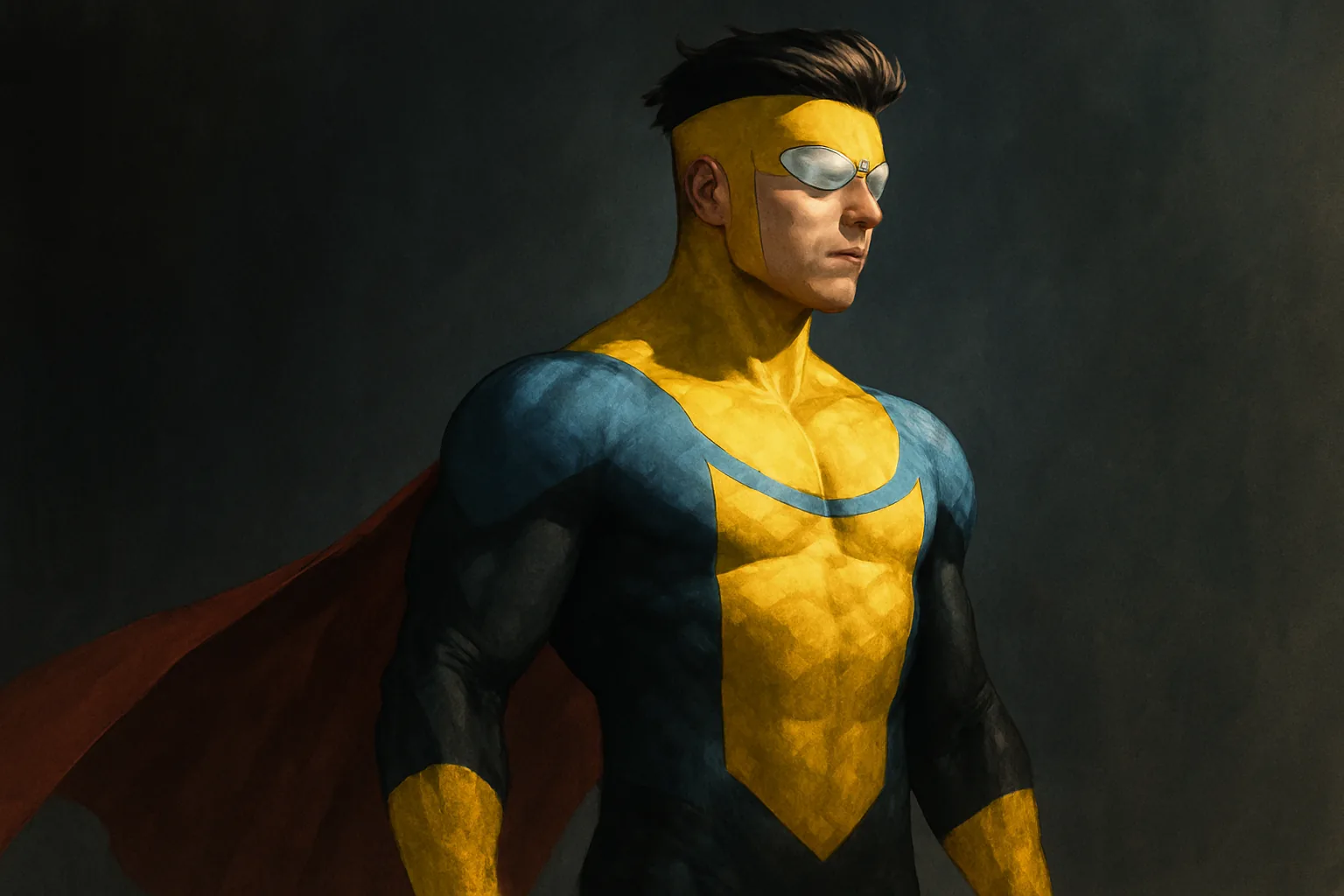
When a creator says there is finally movement on a live-action project after nearly a decade of waiting, the update matters because development limbo usually drains credibility. Audiences get used to treating the adaptation as a rumor with a logo rather than as something that will actually exist. That is especially true in comic-book properties, where announcements arrive early and disappear just as easily.
So when Robert Kirkman says the live-action Invincible movie is showing meaningful signs of life, the claim carries more weight than a routine progress note. It suggests the project may still have enough internal support and commercial logic to survive the long period in which many similar adaptations quietly die.
Why development limbo changes audience expectations
The longer a project sits without visible results, the more the audience begins to downgrade its reality. People stop asking when it is coming and start asking whether it was ever truly happening at all. That erosion matters because every future update then has to fight against accumulated skepticism.
This is what makes the Invincible situation notable. Progress after nine years is not simply progress. It is progress against disbelief.
Why Invincible still has adaptation value
Invincible remains attractive as a live-action property because the brand has only grown in cultural value. The animated series has strengthened audience awareness, reinforced the story's emotional and tonal identity, and expanded the commercial case for the broader franchise. In that sense, the long delay may have changed the project's context rather than ruined it outright.
That does not guarantee success, but it does mean the property enters the live-action conversation with more public familiarity than it had when the original announcement first landed. That is a meaningful difference in a crowded adaptation market.
A useful way to frame it is this: the project may have been stuck, but the brand kept moving. Sometimes that is enough to revive a stalled adaptation.
Why live action is a harder test than animation
Part of the intrigue here is that Invincible already works brilliantly in animation. A live-action version therefore has a higher burden than a standard comic adaptation. It cannot justify itself simply by existing. It has to show what the format adds, whether that is emotional realism, scale, star power, or a different kind of physical presence.
That is one reason delays may have accumulated in the first place. Translating a property with intense violence, emotional sincerity, and superhero scale into live action is not straightforward, especially if the adaptation wants to preserve what fans already value in the source and in the animated version.
What to watch next
The key question is whether “movement” turns into something tangible soon: attachment of major talent, a clearer production timeline, or more direct confirmation that the project has moved beyond broad intent. Without that next step, even encouraging updates can slide back into the category of hopeful noise.
Still, the update matters because it resets the conversation. For now, the live-action Invincible film is no longer merely an old announcement trapped in memory. It is a project that may once again deserve to be taken seriously as part of the franchise's future.
That is why Kirkman's comment has traction. In adaptation culture, surviving development limbo is its own kind of plot twist, and not many projects manage it cleanly.