
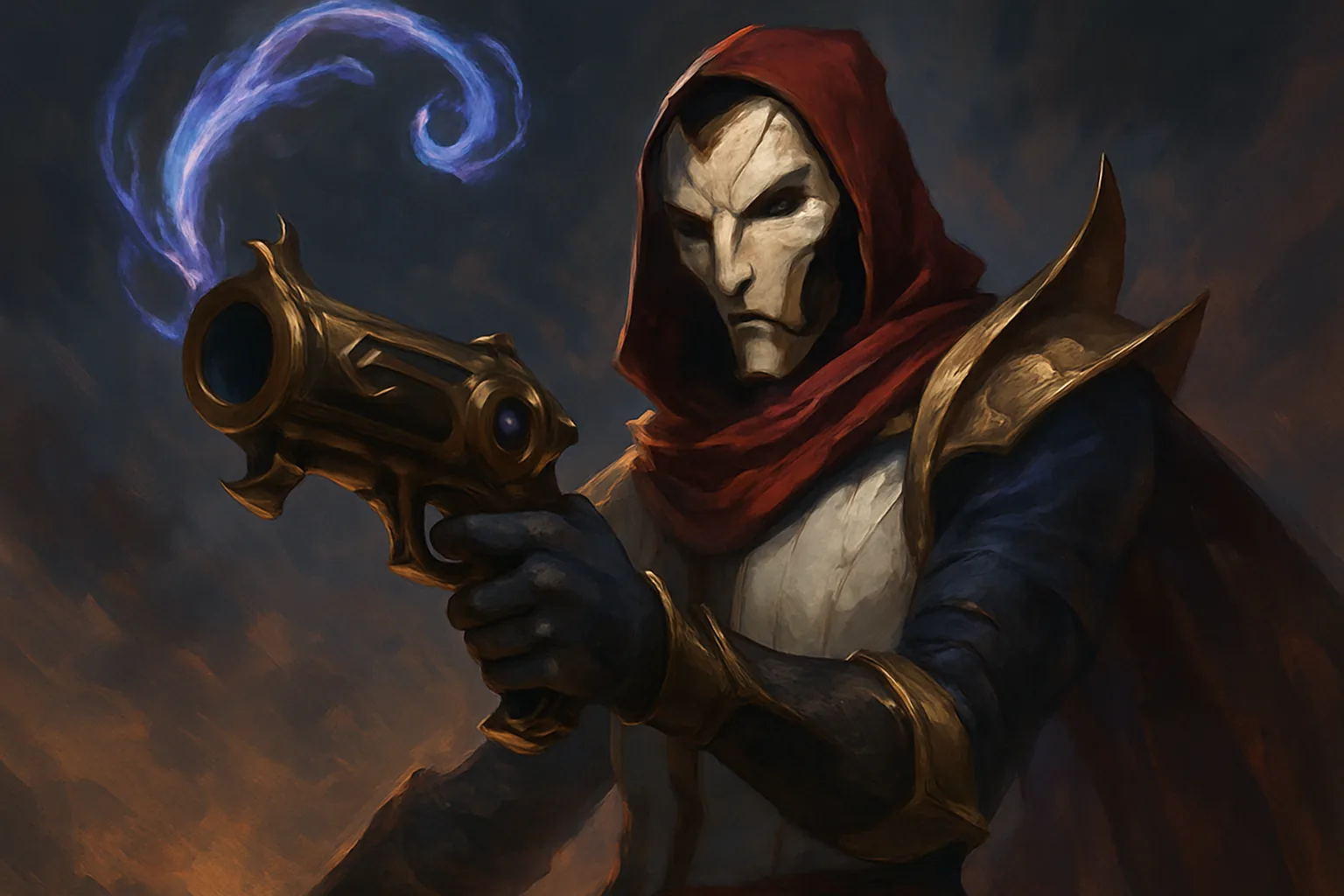
The newly revealed full-art Jhin Virtuoso card for Riftbound: Unleashed is more than a stylish promo beat. It is a deliberate statement about what kind of collectible identity the game wants to project. When a trading card game highlights a premium visual treatment tied to a popular, highly theatrical character, it is not only showing off artwork. It is teaching players how they are supposed to value the product.
That matters because new card games do not compete on rules alone. They compete on feeling, collectibility, and whether the cards look like objects fans will want to own even outside strict gameplay utility. Jhin is an especially effective choice for that job. He already carries an aesthetic associated with precision, drama, and spectacle, which makes him a natural fit for a showcase card intended to turn heads immediately.
Why a full-art reveal matters so early
Full-art variants are important because they create a premium layer inside a card game's identity. Players read them as signals of care, rarity, and presentation. Even if the card is mechanically familiar, the treatment changes its emotional weight. A publisher can use that response to shape how the audience thinks about the game's long-term collectibility before organized play, deckbuilding, and balance conversations fully take over.
For a newer title like Riftbound, that is especially useful. Establishing gameplay depth takes time and repeated exposure. Establishing visual ambition can happen instantly. A striking full-art reveal gives fans and creators something easy to share, discuss, and remember. It compresses world-building and product positioning into one image.
Why Jhin is the right character for the assignment
Not every character could carry this kind of reveal equally well. Jhin works because his identity is already built around staging, precision, and visual drama. Those traits translate naturally into card art that wants to feel luxurious or iconic. A full-art variant centered on him can emphasize composition and mood in ways that would be harder with a less stylized character.
There is also a practical marketing reason to use him. Fan-favorite characters reduce the risk of a premium reveal falling flat. Players already arrive with some emotional context, which means the art does not have to do all the work from zero. Instead, it can amplify existing interest and turn recognition into excitement.
A simple comparison helps. If a new card game is opening a showroom, the first display piece needs to communicate taste fast. Jhin is the kind of character who can do that because the audience already expects a degree of flair the moment he appears.
What this says about Riftbound's strategy
The reveal also suggests Riftbound understands that collectible card games live at the intersection of competition and display. Players may come for deck construction and meta decisions, but they stay attached to the product when the cards feel desirable as objects. Premium variants help bridge those motivations. They give competitive players status symbols and give collectors a reason to care even when they are not chasing the strongest list.
That dual appeal is increasingly important in a crowded market. A game that looks generic can struggle even if its mechanics are sound. Distinctive art direction and premium card treatments create social currency around the product. People post them, trade for them, and talk about them in ways that basic card reveals rarely inspire.
What to watch next
The next question is whether Riftbound can sustain this level of visual interest across more of the set and across more than one headline character. A single premium reveal can create buzz, but a durable collectible identity requires consistency. Players will want to know whether the broader card pool carries the same care in framing, finish, and thematic coherence.
It will also matter how the game balances premium presentation with accessibility. If the showcase variants feel exciting without making the base product feel ordinary or second-rate, Riftbound will have handled the split well. If the premium layer overshadows the playable core, the excitement can become shallow quickly.
The Jhin Virtuoso reveal works because it is doing several jobs at once. It celebrates a recognizable character, highlights the game's art direction, and tells the audience that Riftbound wants to be seen as a collectible object as much as a rules system. For a title still building its market identity, that is exactly the kind of message a full-art card is supposed to deliver.