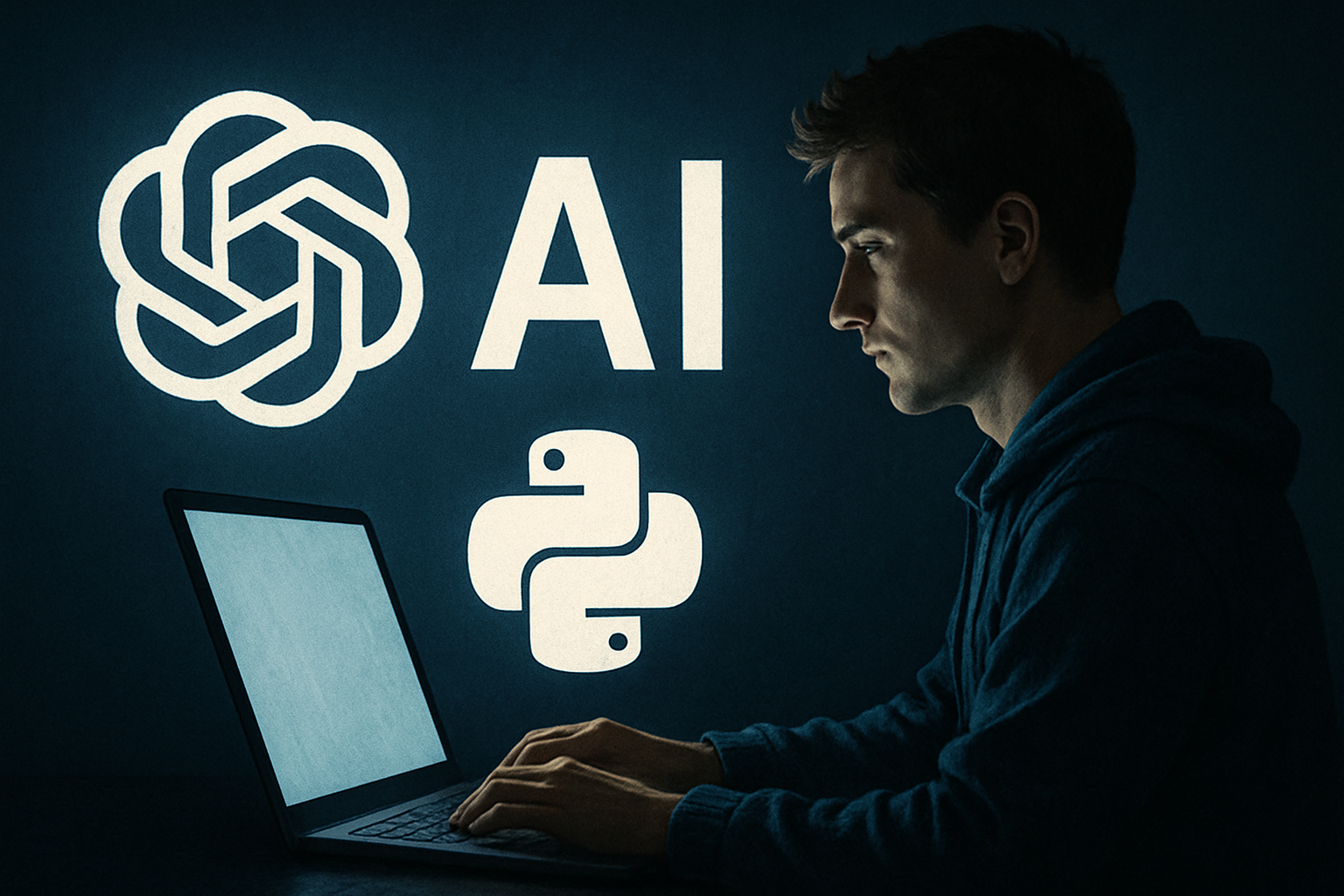
OpenAI's acquisition of Astral matters because the center of gravity in AI is shifting closer to the software-development workflow itself. Models are important, but the practical value of AI increasingly depends on how deeply those models are embedded in the tools developers use every day. Python sits at the center of that story because it is both a dominant application language and the default language for much of modern AI work. A deal around Python tooling therefore has strategic weight well beyond a single company transaction.
The broader meaning is clear: AI firms are no longer competing only on raw intelligence or chat experiences. They are competing on who can own or influence the environment in which developers create, test, and ship code.
Why Python tooling is strategically valuable
Python matters because it spans a huge share of modern technical work, from web services to data pipelines to machine-learning infrastructure. Tools that improve linting, packaging, dependency management, formatting, and performance touch a wide population of developers. That makes them powerful leverage points. Whoever helps shape those daily interactions can influence habits, standards, and eventually the adoption path for broader AI-assisted development.
This is why the acquisition matters. It suggests that developer tooling is not ancillary to the AI race. It is part of the core platform strategy.
A useful way to frame it is this: if models are the engine, developer tools are the roads on which adoption actually travels.
Why acquisitions like this change more than product roadmaps
When a major AI company buys a respected tooling business, the consequences are not limited to feature integration. Developers start asking how open the tools will remain, whether priorities will shift toward one ecosystem, and how independence will be balanced against broader platform goals. Trust matters in developer infrastructure because teams do not like to build core workflows on tools that may suddenly become less neutral.
This is one of the most important dimensions of the deal. The opportunity is clear, but so is the risk that consolidation can make the tooling ecosystem feel less plural and less predictable.
Why this matters for AI-assisted programming
AI coding systems are most useful when they operate inside a coherent development environment. Better tooling can improve context, reduce friction, catch errors earlier, and make generated code easier to integrate into real projects. If OpenAI can align advanced coding assistance with stronger underlying Python workflows, it could create a more compelling end-to-end experience for developers.
That is why the Astral deal matters beyond Python enthusiasts. It points toward a future in which coding assistance, verification, formatting, package management, and execution feedback feel more tightly connected.
In that world, the best AI coding product may not be the one that writes the most code. It may be the one that makes the full loop from idea to reliable software feel fastest and cleanest.
What to watch next
The key questions are whether the tools remain developer-friendly and broadly interoperable, how quickly integration benefits appear in real workflows, and whether the acquisition strengthens trust or creates skepticism inside the Python community. Those signals will determine whether the deal is remembered as ecosystem acceleration or platform consolidation.
That is why OpenAI's Astral acquisition matters. It reflects a deeper contest over who will define the practical interface between AI systems and everyday software engineering.
Whoever controls the workflow often shapes the future of the platform more than whoever merely supplies the intelligence behind it.