
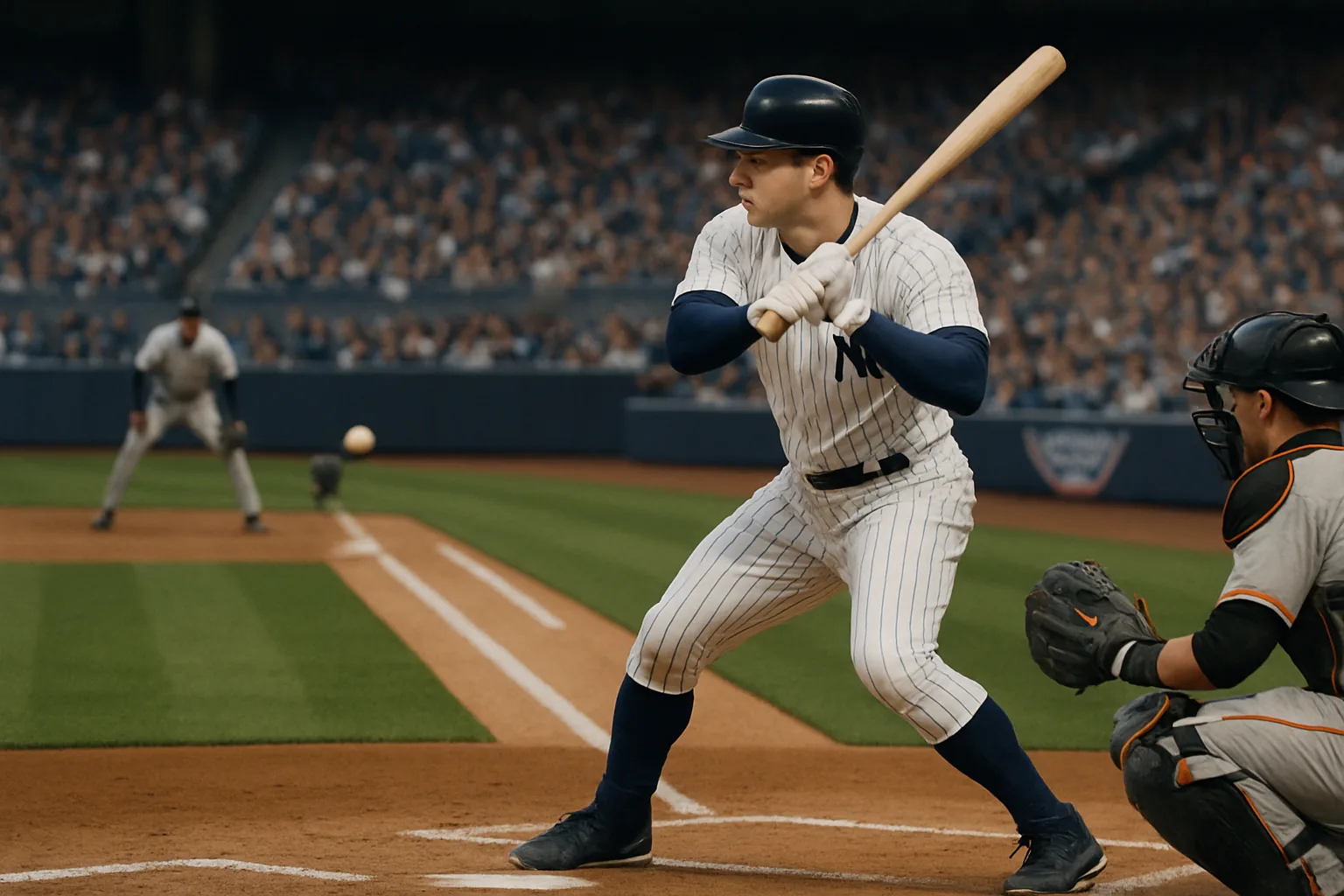
Netflix’s first live Major League Baseball broadcast arrived on March 25 with a single game that carried more media significance than a normal season opener: Yankees vs. Giants, exclusive to Netflix.
That matters because Netflix did not buy baseball in the old sense. It bought a small package of high-attention moments. Under its new MLB arrangement, the streamer gets Opening Night, the 2026 T-Mobile Home Run Derby, and the 2026 MLB at Field of Dreams game, with the broader deal running from 2026 through 2028. AP reported the package is worth an average of $50 million per season over three years.
The distinction is the story here. Netflix is not trying to become a full-season baseball destination. It is picking the few dates that can behave like global entertainment events.
Why This Package Fits Netflix Better Than a Weekly Schedule
Weekly sports rights are expensive, operationally messy, and built around habit. Netflix’s sports strategy has looked different so far. It has leaned into event television: NFL Christmas games, WWE, and now a short MLB slate built around nights that already come with built-in attention.
Baseball, in that setup, becomes easier to package for a general audience. Opening Night is one game, not a seven-hour regional sprawl. The Home Run Derby is already one of baseball’s most TV-friendly products. Field of Dreams is a made-for-camera special event. None of those requires Netflix to train viewers to show up every Tuesday and Sunday for six months.
That limited approach also lowers the risk. If the stream performs well, Netflix gets proof that baseball can work on the service without committing to the economics of a much larger rights deal.
MLB Is Selling Reach, Not Just Inventory
MLB’s side of the equation matters just as much. The league had rights inventory to reshuffle after ESPN opted out of its previous deal. Some of that moved to NBC and Peacock, which now carry Sunday packages and other events. Netflix got the marquee pieces that can travel globally.
That last part is important. Netflix has worldwide rights to these MLB events, and it positioned the opener as a global stream rather than a domestic side project. Netflix’s own coverage materials said the March 25 game was available in all plans and presented across five languages: English, Japanese, Korean, Spanish, and Portuguese.
For a league that wants to keep growing beyond its traditional US base, that is a meaningful distribution shift. A cable package can still matter a lot in the domestic market. A global subscription platform offers something different: the ability to turn a baseball event into a broadly accessible international media product on the same day, inside the same app people already use for everything else.
A Simple Example of What Changes for Viewers
Consider a casual sports fan who already pays for Netflix but does not subscribe to a cable bundle or a separate sports package. That viewer could watch Yankees-Giants on March 25 and will be able to watch the Home Run Derby in July without adding another service just for baseball.
But that same person still would not suddenly have “MLB on Netflix” in any complete sense. They would get a few major tentpoles, while the rest of the season remains scattered across other national and local rights holders.
That is the tradeoff in plain terms. Streaming deals like this reduce friction for a handful of big nights while leaving the full season fragmented.
What Netflix Can Add That Traditional TV Often Doesn’t
Netflix also brings a promotional machine that most sports broadcasters do not. The company already has baseball-adjacent documentary credibility through titles such as The Comeback: 2004 Boston Red Sox, The Turnaround, and The Clubhouse: A Year With the Red Sox. AP noted that Netflix’s path into baseball resembled its NFL path: documentaries first, then live rights after the audience signal was clear.
That matters because a service like Netflix does not have to treat the game as an isolated telecast. It can surround it with trailers, talent packages, athlete familiarity, and recommendation placement inside a much larger entertainment platform.
Even the production model reflects that hybrid approach. MLB Network’s production team handled the baseball side in partnership with Netflix, and the opening-night talent lineup mixed established broadcasters with recognizable baseball names including Matt Vasgersian, CC Sabathia, Albert Pujols, Anthony Rizzo, and Hunter Pence.
In other words, Netflix is not replacing sports TV grammar. It is borrowing it, then distributing it inside a platform built for global scale and aggressive promotion.
What to Watch Next
The real test is not whether one opening-night stream worked. It is whether this package proves that a streamer can take three baseball events a year and make them feel bigger than they would have felt on traditional television.
A few things are worth watching next:
- If the Home Run Derby draws strong viewership, it will reinforce the idea that skills competitions and standalone events are especially well suited to streaming.
- If Field of Dreams overperforms, MLB may have even more reason to keep creating special-event inventory rather than relying only on conventional game windows.
- If Netflix’s presentation feels smooth and accessible, the company strengthens its case for more limited sports packages that fit its event-first strategy.
The broader point is pretty simple. Netflix’s MLB debut was not an attempt to become baseball’s everyday home. It was a bet that in the streaming era, a few premium nights can matter more than a long schedule.
For leagues, that opens another path to sell rights. For viewers, it means the biggest events may become easier to find even as the full season gets harder to keep in one place.