
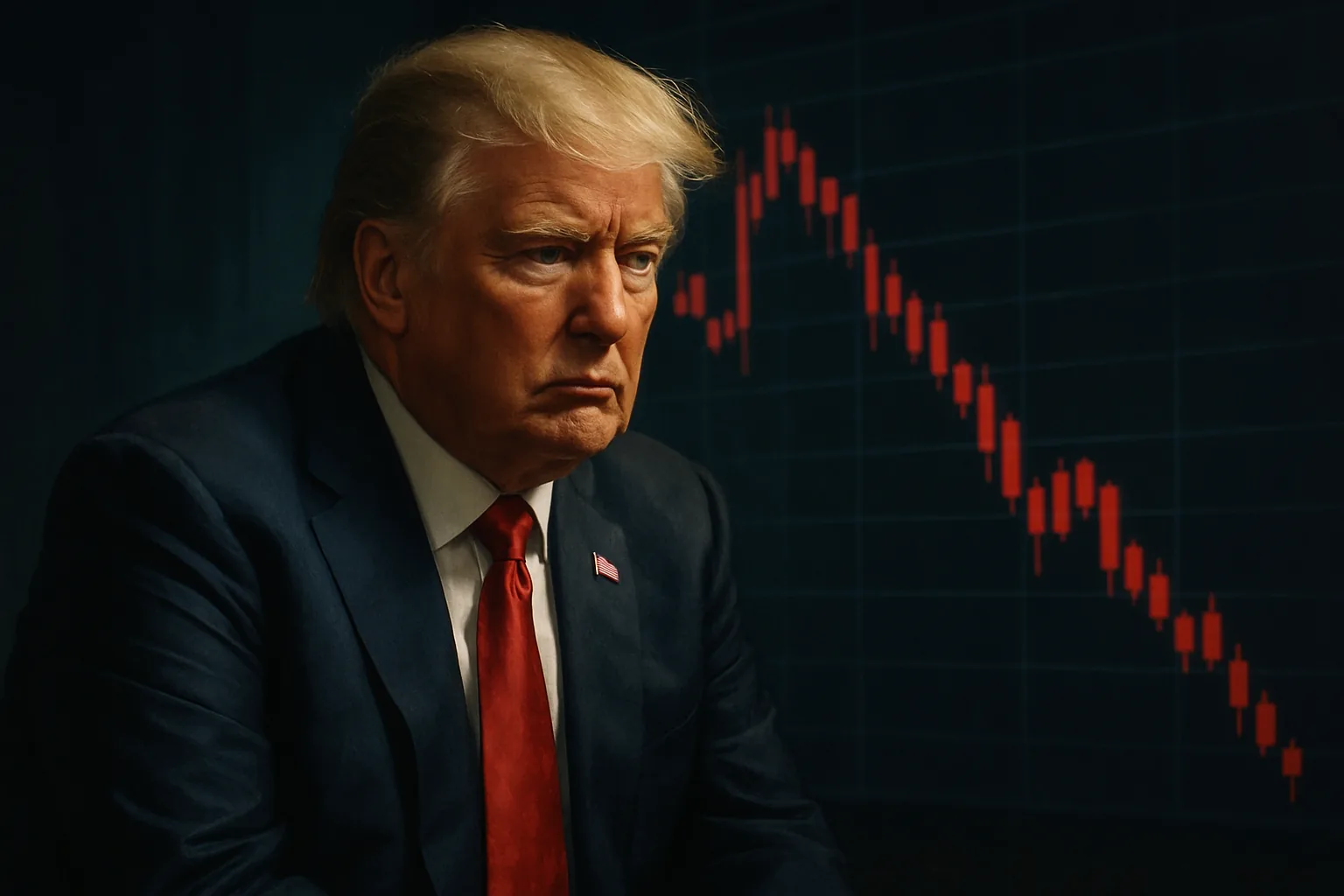
A Nasdaq correction matters because the index represents more than a collection of stocks. It is one of the clearest public gauges of how markets are valuing growth, future earnings, and risk appetite in a technology-centered economy. When geopolitical tension, especially around energy infrastructure and war risk, pushes the index into correction territory, the move is meaningful not simply because prices are lower. It reveals how quickly investor confidence in high-expectation assets can weaken when the macro backdrop becomes less supportive.
That is why the story matters beyond daily market chatter. Corrections in technology-heavy benchmarks often expose the sensitivity of the broader investment mood to risk, rates, and geopolitical fear all at once.
Why the Nasdaq is especially exposed to shifts in sentiment
Technology and growth stocks often depend more heavily on expectations about future cash flows than on immediate defensive stability. That makes them powerful in optimistic markets and vulnerable when uncertainty rises. If investors begin worrying about energy shocks, inflation persistence, or slower growth, the repricing can be swift because the premium placed on future expansion starts to narrow.
This is why a correction matters. It shows how fast narratives of durability can give way when macro risk intrudes on a market built around confidence in tomorrow.
A useful way to frame it is this: the Nasdaq is not just a measure of tech performance. It is a barometer of how much investors are still willing to pay for optimism under stress.
Why geopolitical tension reaches growth stocks indirectly and directly
Conflict involving energy infrastructure affects markets through multiple channels. Higher oil prices can worsen inflation pressure, complicate monetary expectations, and raise operating costs across the economy. At the same time, war risk can shift investor behavior toward caution and away from richly valued assets. The effect on the Nasdaq therefore comes both from macro arithmetic and from psychology.
This is one reason the story matters. It shows how an event far from Silicon Valley can still rapidly alter the pricing of technology-heavy equity markets.
Why corrections are important even when they stop short of panic
A correction does not necessarily imply systemic crisis, but it does indicate that the market's tolerance for risk has changed. That shift matters because it can influence fundraising, consumer confidence, capital expenditure, and the strategic behavior of companies whose own planning assumes favorable market conditions. The importance of a correction lies not only in the decline itself, but in the economic mood it helps create.
That is why the story matters beyond traders. Public-market repricing can reshape the behavior of firms, investors, and households long before it becomes a deeper downturn.
In financial markets, corrections often function as sentiment resets with real-world effects.
What matters next
The key questions are whether the geopolitical risk premium fades, whether inflation and rates stabilize, and whether buyers return with conviction or remain cautious. Those signals will determine whether the correction becomes a brief repricing or the opening stage of something more serious.
That is why a Nasdaq correction matters. It captures how fragile market confidence can be when optimism collides with geopolitical and energy uncertainty.
When the index falls sharply, the deeper message is often not just that prices changed, but that the market's story about the future became harder to believe at the same valuation.