
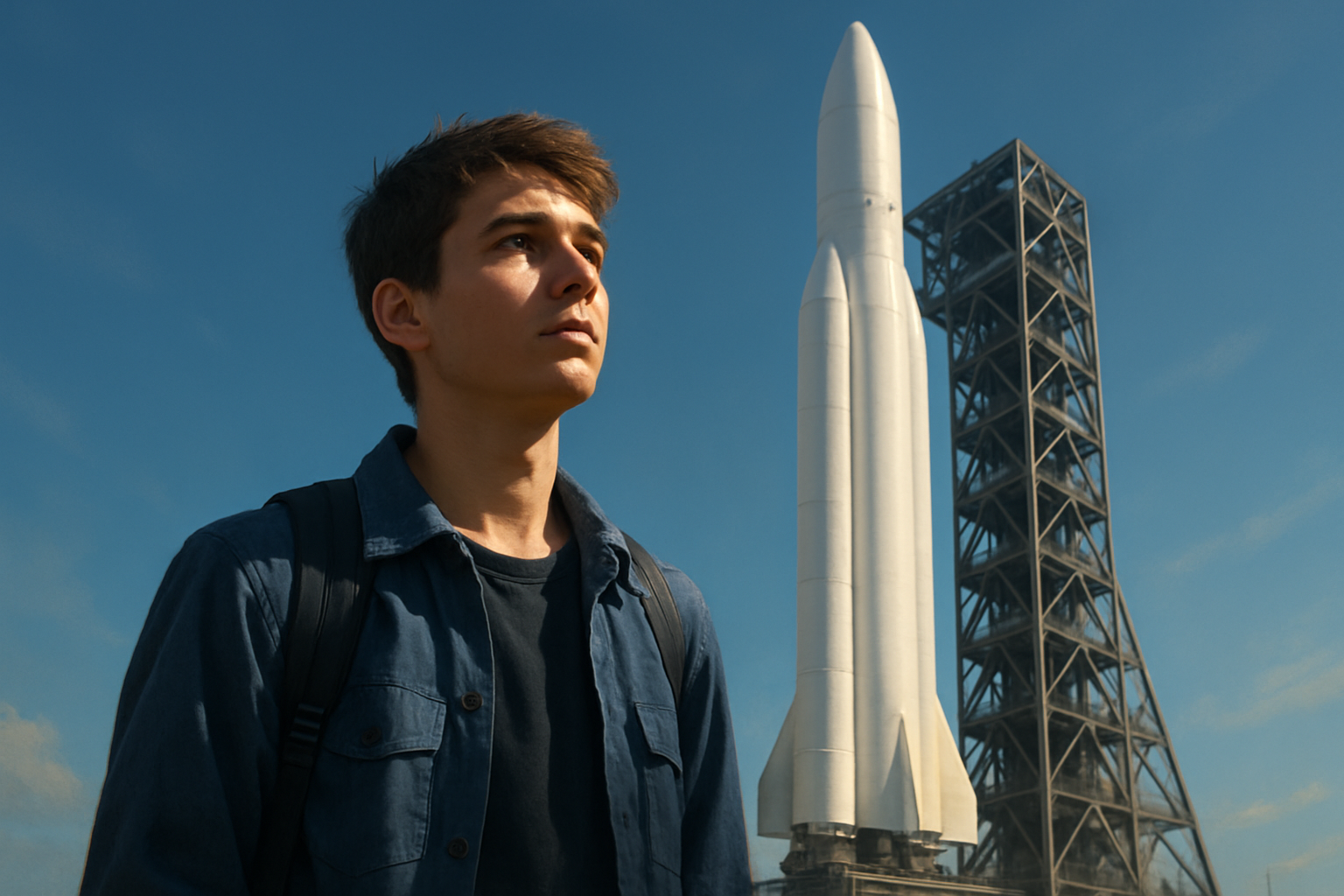
NASA Glenn's summer engineering institute matters because aerospace talent does not appear spontaneously at the point of hiring. Interest in engineering is often built gradually through early exposure, practical context, and the feeling that advanced technical work is both understandable and achievable. When students get access to structured programs connected to a real NASA center, the significance goes beyond a summer activity. It becomes a moment where technical ambition can become tangible.
This is especially important in fields like aerospace, where the distance between classroom concepts and real-world missions can feel intimidating. A well-designed educational program narrows that distance. It shows students that engineering is not just a set of abstract equations, but a way of solving visible problems with real consequence.
Why early exposure matters so much
Many students decide whether technical fields feel accessible long before they enter the workforce. If engineering appears distant, elitist, or overly abstract, they may opt out even when they have the ability to succeed. Programs hosted by credible institutions help break that pattern by putting students near real practitioners, real facilities, and real mission-driven work.
This matters because inspiration in science and engineering is often tied to proximity. Once students see how research, design, and teamwork actually function, the subject becomes easier to imagine as part of their future rather than something reserved for other people.
A useful way to frame it is this: the program matters because it converts aerospace from a distant idea into a plausible path.
Why workforce development starts before college recruiting
Industries that rely on deep technical expertise cannot wait until graduation to think about talent. By then, many choices about coursework, confidence, and direction have already been shaped. A summer institute serves a strategic purpose: it expands the pool of students who may later pursue engineering, science, software, or manufacturing roles related to aerospace.
That broader function is easy to overlook. Outreach can sound soft compared with launches, missions, and hardware. In reality, the long-term capacity of the sector depends heavily on whether younger students are steadily invited into the pipeline with credible opportunities to learn.
Why NASA's involvement carries extra weight
Not every educational initiative has the same signaling power. NASA carries institutional legitimacy, public imagination, and direct ties to nationally important missions. When students engage with a program under that banner, the experience can sharpen motivation in a way that ordinary classroom instruction may not. The connection to a real center suggests seriousness, standards, and the possibility of future belonging.
That is why the story matters beyond one local cohort. It shows how a public science institution can still act as a powerful generator of aspiration at a time when technical talent is strategically valuable across the economy.
For communities, the impact can also be broader than aerospace alone. Students who gain confidence in engineering methods may later contribute in energy, manufacturing, computing, or medicine even if they do not remain in space-related work.
What success really looks like
The best outcome is not merely that students enjoy a summer program. It is that they leave with stronger technical confidence, a clearer sense of what engineers actually do, and a more believable sense that they could belong in that world. Those shifts are small in the moment but compounding over time.
That is why NASA Glenn's summer engineering institute matters. It is part of the quiet infrastructure behind future innovation, helping transform curiosity into capability before the formal career path has even begun.
Space exploration depends on missions and hardware, but it also depends on who decides, early enough, that they want to help build them.