
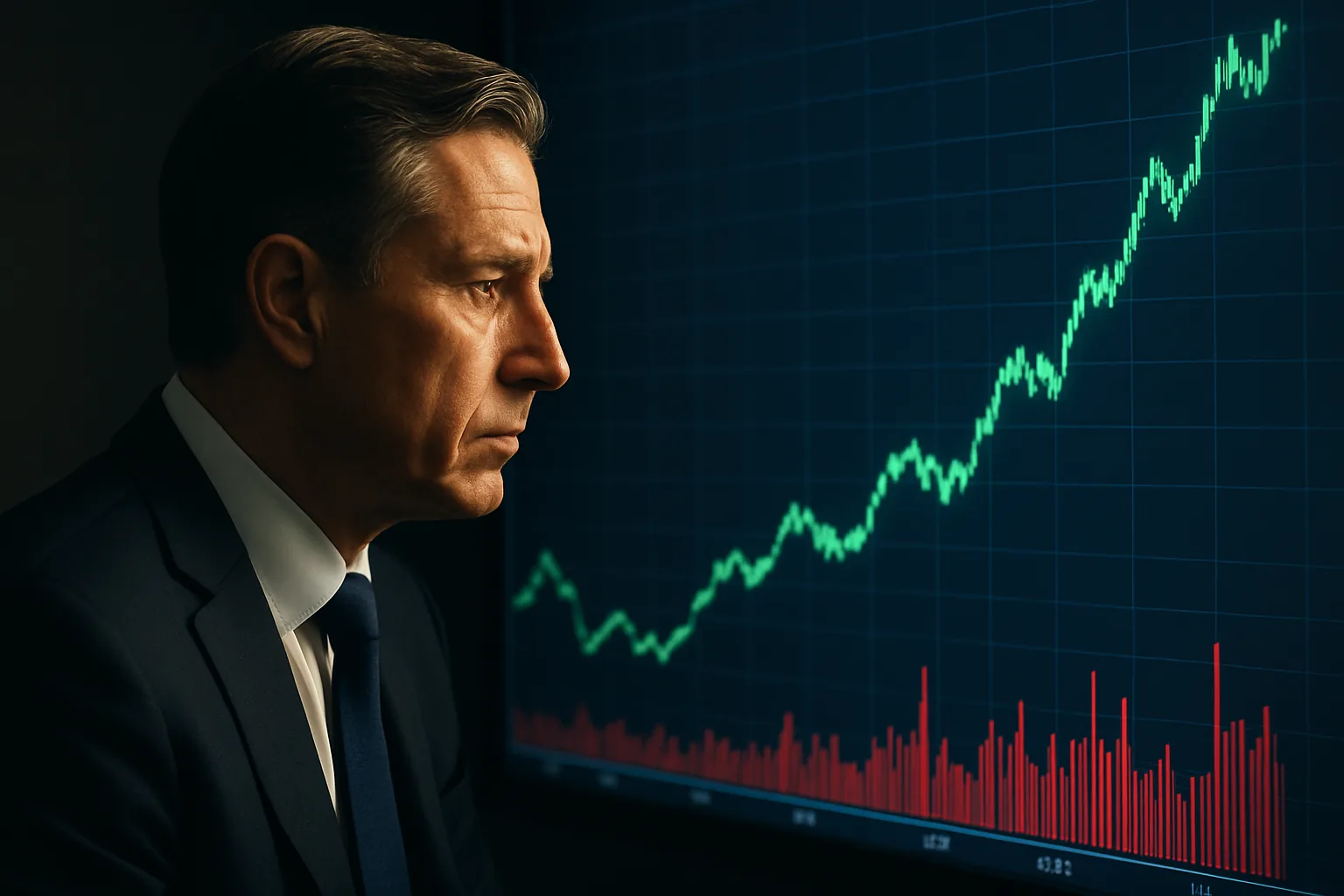
Market rallies during moments of geopolitical relief matter because investors do not wait for perfect certainty before repricing risk. Financial markets are highly sensitive to changes in direction, not just changes in settled fact. If tensions between the United States and Iran appear to ease, even temporarily, the shift can generate a powerful narrative of relief that markets are willing to trade before anyone can honestly say the danger has disappeared.
This is what makes such rallies interesting. They often say less about the full resolution of a crisis than about the market's hunger to move from worst-case assumptions toward something less severe. Prices respond to a change in story architecture: from escalation without brakes to tension with possible limits.
Why relief moves can be so fast
Geopolitical stress typically pushes investors toward defensive positioning, higher energy-risk assumptions, and caution around growth-sensitive assets. Once the immediate outlook appears less dire, those same positions can unwind quickly. The result is a relief rally that can feel decisive even though it is really built on the market reducing fear rather than embracing full confidence.
This is why headline shifts matter so much. Markets are not only processing hard events. They are processing changes in probability and tone.
Why narrative matters almost as much as fundamentals
Fundamentals still matter, of course, but short-term market behavior often runs through narrative simplification. “Tensions easing” is a cleaner trade than a nuanced description of unresolved risk with temporarily improved diplomatic signaling. Investors know the world is more complicated than the headline, but markets often move first on the cleanest available interpretation and refine later.
That makes these rallies fragile as well as powerful. They can reverse quickly if the narrative weakens or if fresh evidence reopens the risk premium.
A useful way to frame it is this: relief rallies are frequently less about the arrival of stability than about the temporary withdrawal of maximum fear.
Why energy-sensitive stories amplify the effect
U.S.-Iran tensions matter to markets not only because of military risk, but because of what they imply for oil, inflation, shipping, and broader macro sentiment. When those fears begin to soften, the benefits reach across multiple asset classes. That broad transmission makes any apparent de-escalation especially market-relevant.
It also explains why investors react quickly. The upside from reduced tension is distributed across enough sectors to create a meaningful shift in tone.
What to watch next
The important questions are whether the geopolitical easing proves durable, whether energy prices actually stabilize, and whether the market begins treating the move as a new base case rather than a temporary bounce. If not, the rally may prove more emotional than structural.
That is why the move matters. It captures how quickly investors reprice once the story moves from acute danger to manageable uncertainty.
Markets rarely wait for calm. They often rally the moment they think panic has peaked.