
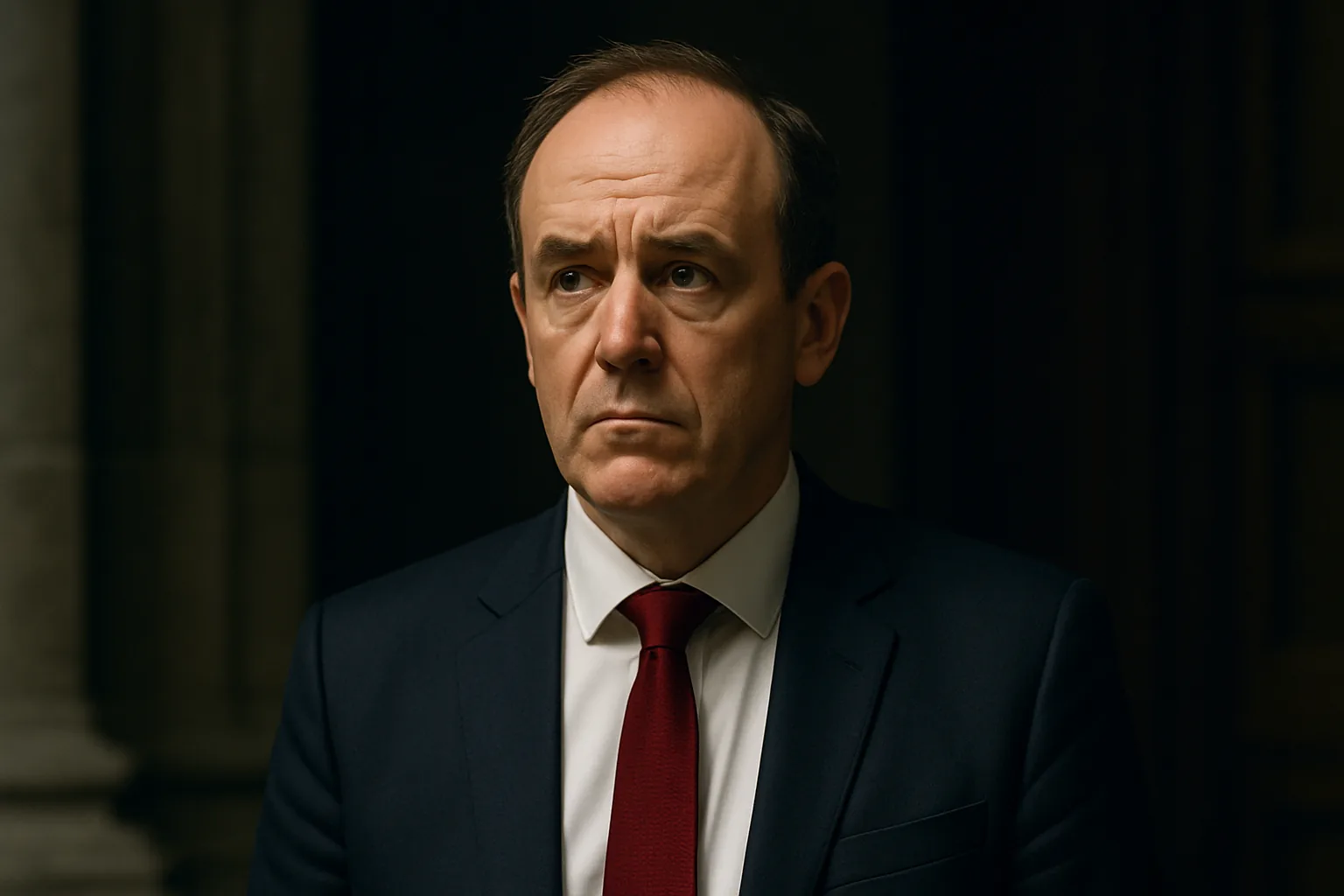
Expense controversies matter because public trust in elected officials is highly sensitive to signs of blurred judgment. The monetary amount does not have to be enormous to produce a strong reaction. In many cases, what matters more is whether voters think an expense reflects public purpose or personal presentation. That is why scrutiny over relatively small promotional video costs can still become politically damaging.
The issue is not only accounting. It is symbolic governance. When a minister appears to spend public money on something that looks adjacent to image management, the public begins evaluating not just the claim itself but the official's instincts. Does this person understand the boundary between representation and self-promotion? That question can be more corrosive than the cost alone.
Why small expense stories persist
Large scandals can feel distant or overly complex. Smaller expense stories are easier to grasp. They often involve familiar categories, visible choices, and a straightforward moral intuition: would an ordinary person consider this a proper use of public money? That simplicity gives such controversies unusual staying power, even when the sums involved are minor relative to total government spending.
This is why they remain politically dangerous. They compress trust, class perception, and standards of restraint into one legible example.
Why presentation costs are especially fraught
Anything that appears to help an official look better rather than govern better tends to trigger skepticism quickly. Promotional video spending sits near that fault line. Even if there are plausible public-interest reasons for communication expenditure, the suspicion of vanity is never far away. Optics therefore become part of the substance.
This makes the issue difficult for the official involved. A technically defensible claim can still fail the broader test of whether it appears self-denying enough for public office.
A useful way to frame it is this: expense controversies are often less about whether a rule was technically broken than about whether a politician's instincts look too comfortable with public money.
Why these rows matter for broader political trust
Such stories resonate because they connect to a wider public suspicion that political elites live by looser standards than everyone else. A minor claim can therefore activate much larger frustrations. It becomes evidence, however small, in an already active argument about whether politicians take stewardship seriously enough.
This is why expense scrutiny rarely remains narrow. It gets absorbed into a public mood about entitlement, discipline, and distance from ordinary life.
What to watch next
The important questions are whether the explanation for the spending feels coherent, whether ministers defend or distance themselves from the claim, and whether the controversy remains isolated or feeds a broader pattern of concerns. Those reactions will determine how much damage the story does.
That is why this matters. It shows how public trust can be weakened by signals of judgment that feel too casual, even when the financial scale is modest.
In politics, the most damaging expense is often not the biggest one, but the one that makes voters think an official no longer sees the boundary clearly.