
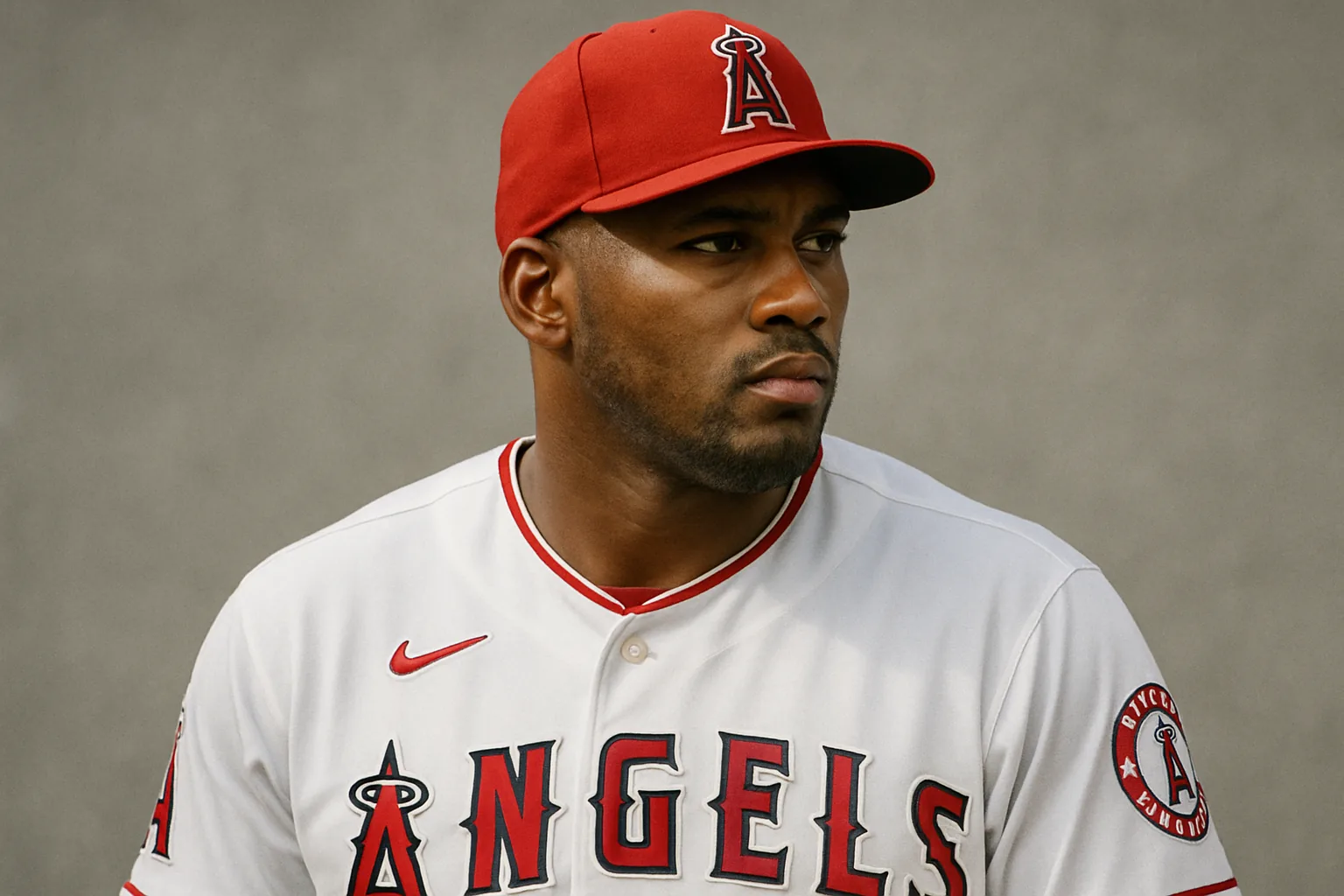
MLB cut Jorge Soler’s suspension from seven games to four on April 15, trimming the penalty tied to the April 7 benches-clearing fight between the Angels and Braves and sending Soler straight into the suspension that day.
That change is not minor bookkeeping. Soler had been one of the Angels’ hottest hitters, batting .280 with four home runs, two doubles and 10 RBIs over his previous seven games. A shorter suspension means Los Angeles gets back an in-form middle-of-the-order bat sooner, even if the reduction does not erase the larger problem: the club is still losing one of its better power threats at a moment when, by Soler’s own account, the team feels it is moving in the right direction.
“I don’t feel good,” Soler said through interpreter Jobel Jiménez. “I feel sad because the way the team is playing right now. We’re on a good track, and it’s a shame to not be part of the team right now.”
The incident itself was straightforward and messy in the way baseball fights often are. Soler homered off Braves pitcher Reynaldo López in his first at-bat that night. Later, he was hit by a pitch. After a high pitch in the fifth inning of Atlanta’s 7-2 win at Angel Stadium, the two stared at each other, Soler charged the mound, and both players threw punches. López, still holding the ball in one hand, knocked off Soler’s helmet while the benches emptied and the confrontation spread toward the first-base line.
Soler later said López’s words after the pitch pushed him over the line. “I asked him if everything was OK and the answer he gave me, I didn’t like it,” Soler said.
What the reduction changes
On the surface, four games versus seven is just three fewer games. In practice, that is a meaningful difference for a team managing a 162-game season one series at a time.
The source material makes the baseball impact plain. Soler began serving the reduced suspension immediately against the Yankees and was set to remain out until Sunday, when the Angels would close a three-game series with the Padres. That means the reduction does not simply soften a punishment on paper; it changes which opponents the Angels face without him and shortens the window in which the lineup has to cover for his absence.
There is also a disciplinary signal inside the reduction. MLB did not wipe away the punishment. It still suspended Soler for charging the mound and escalating the confrontation into a fight. But by cutting the ban from seven games to four, the league effectively narrowed its final judgment after the initial ruling. Reports in the same week also said López’s suspension was reduced to five games through a settlement with MLB.
That matters because the final numbers suggest MLB’s first response was not its last word. The league still treated the episode seriously, but the revised penalties imply that appeals, settlements, and closer review can materially alter the outcome even in a very visible on-field fight.
Why this matters beyond one Angels-Braves game
Baseball fights are usually discussed as theater first and discipline second. The more relevant story here is the opposite. Once the benches clear, the real consequences tend to arrive later, in lineup decisions and roster strain.
For the Angels, the cost is simple: they lose a productive bat for multiple games, and they lose him precisely while he is producing. A player on a cold streak can sometimes be replaced with minimal short-term damage. A hitter with four home runs and 10 RBIs over seven games is harder to paper over.
For MLB, the case is a reminder that the league is not only punishing punches thrown. It is also assigning weight to sequence and escalation. Soler was the one who charged the mound after the exchange with López. López threw punches as well, and his suspension was also cut, but the structure of the penalties still reflects an attempt to separate roles inside the same incident rather than flatten everyone into one generic “fight” category.
That distinction is often where these cases become more interesting than the brawl footage. League discipline is partly about deterrence, but it is also about deciding what action crossed the line first and most clearly. In this case, the available facts point to Soler’s charge as the trigger that turned tension into an unavoidable suspension matter.
A practical example of the difference
Imagine the same Angels lineup entering a short stretch against strong opponents without one of its hottest right-handed power bats. Over seven games, the club might need a bench player or lower-order hitter to absorb most of Soler’s plate appearances, and the absence could shape two series instead of one. Over four games, the disruption is still real, but it is easier to contain. The team is no longer redesigning part of its offense for a full week.
That is why reduced suspensions matter even when the player is still banned. The headline is disciplinary, but the real effect is operational. Managers adjust batting order depth, late-game pinch-hit options, and matchup planning. A shorter ban gives them their normal lineup back before the workaround starts to feel permanent.
What to watch next
The immediate next step is straightforward: Soler serves the reduced penalty and returns Sunday, according to the source. The more interesting question is what lingers after that.
First, there is the baseball question. Does Soler pick up where he left off after missing several games during a hot stretch? Hot streaks can disappear quickly even without a suspension interrupting them, so the Angels will be watching whether the reduced ban merely limits the damage or whether the disruption still cools one of their more productive bats.
Second, there is the emotional residue of the incident. Soler’s comments do not read like a player disputing the practical consequence. They read like a player frustrated by being removed from a team moment he believes is positive. That does not undo the responsibility for charging the mound, but it does help explain why this is not just another line in the league transaction log.
Third, there is the league’s own message. MLB left enough of the penalty intact to affirm that a mound charge will draw a meaningful suspension. At the same time, the reduced final terms for both Soler and López show that the disciplinary process has room for revision after the first announcement. That is a quieter but important part of how these cases work.
Soler’s suspension reduction will not redefine the Angels’ season. It does, however, sharpen the immediate stakes of a fight that could otherwise be dismissed as one more baseball scuffle. The Angels get back an important hitter sooner. Soler still pays a real price for escalating the confrontation. And MLB’s revised ruling makes clear that, even in a chaotic benches-clearing scene, the league tries to sort out degrees of responsibility rather than treat every participant exactly the same.