
Political disagreements over public religious practice matter because they force a society to reveal how it actually understands pluralism. Liberal democracies often describe tolerance in broad, principled language, but the harder test comes when those principles must be applied to visible, emotionally charged expressions of difference in shared public space. That is why a dispute over public Islamic prayer carries more weight than the immediate exchange itself.
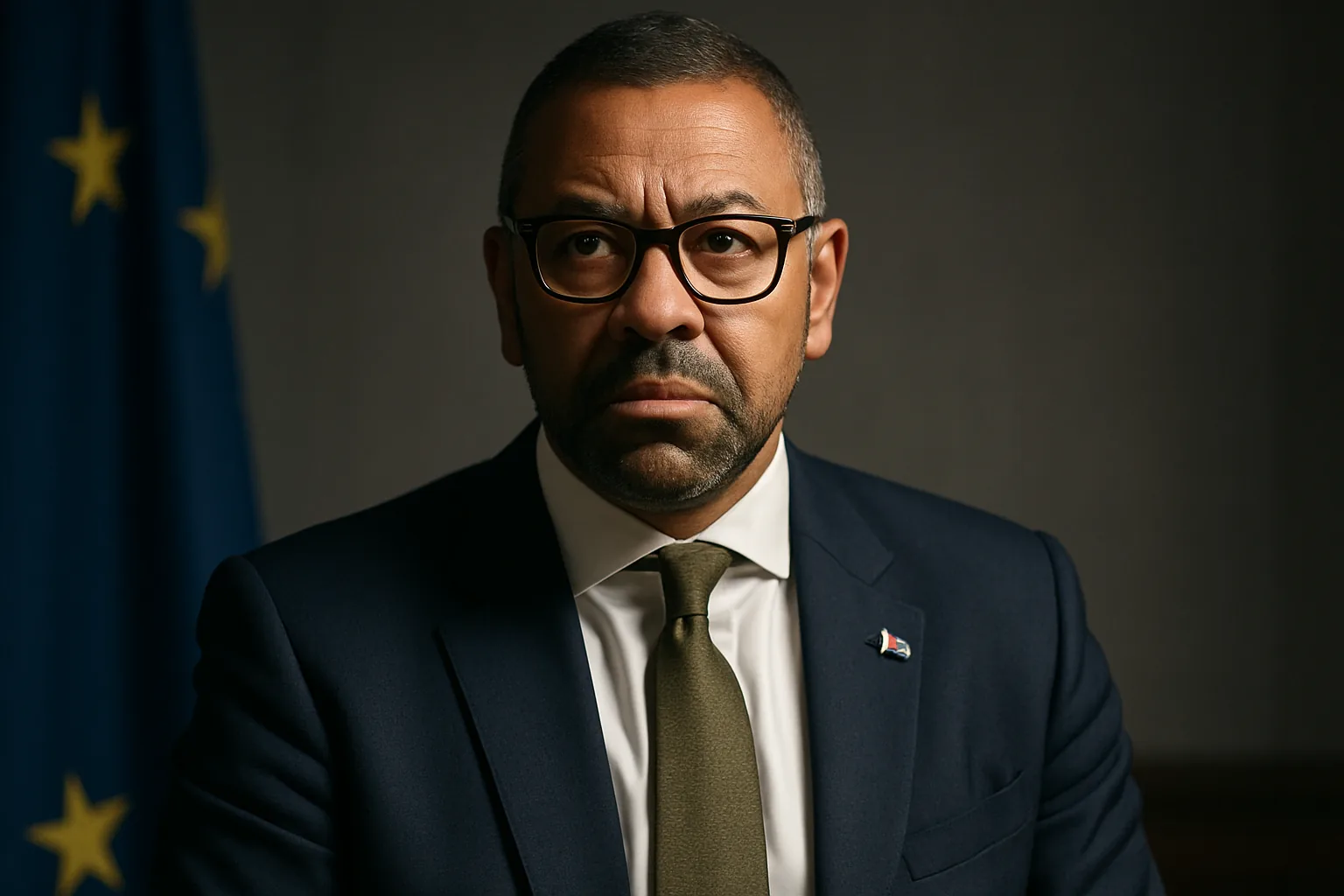
When James Cleverly challenges Nick Timothy's stance, the significance lies in the boundary being contested. The argument is not simply about one gathering or one faith community. It is about whether public expressions of religion are treated as ordinary features of a plural society or as exceptions that require special suspicion once they become politically salient.
Why these disputes become larger than the event
Public religion is one of the easiest subjects for politicians and commentators to turn into a broader symbolic argument. A single act or gathering can quickly become a proxy for fears about cohesion, identity, or cultural change. That escalation happens because the visible use of public space is often read as a statement about belonging: who is being accommodated, who feels displaced, and whose norms are assumed to define the setting.
This is why disputes like this rarely stay narrow. They become arguments about national self-understanding.
Why liberal consistency is hard to maintain
Many political actors defend tolerance in principle but become less certain when the expression in question is associated with a group that already attracts suspicion in public discourse. That inconsistency is part of what makes the disagreement important. It asks whether freedom of expression and religion are being defended as universal norms or applied selectively depending on the audience, symbolism, or emotional comfort of the majority.
That is not a minor question. It goes to the credibility of pluralism as something more than an abstract slogan.
A useful way to frame it is this: the real test of liberal boundaries is not how they handle familiar practices, but how they handle visible practices that some citizens experience as unsettling.
Why politicians read these moments differently
Some see them as opportunities to signal firmness on integration or cultural confidence. Others see them as traps that risk normalizing exclusion under the language of common values. Cleverly's intervention matters because it suggests there is still a political argument to be had over where the line should be drawn, rather than accepting a reflexive narrowing of public legitimacy around minority faith practices.
That disagreement itself is healthy in one sense. It prevents one interpretation of national comfort from becoming the unquestioned limit of public freedom.
What to watch next
The important issue is whether the debate stays attached to consistent principles or drifts into selective anxiety about one community. It also matters whether leaders can explain why public space in a plural society must sometimes be shared in ways that feel unfamiliar without turning that unfamiliarity into a threat category.
That is why the exchange matters. It exposes how quickly talk of tolerance can turn into a negotiation over visibility, legitimacy, and whose presence is treated as naturally belonging in civic life.
Arguments about public religion are never only about ritual. They are arguments about the terms on which a society agrees to see itself.