
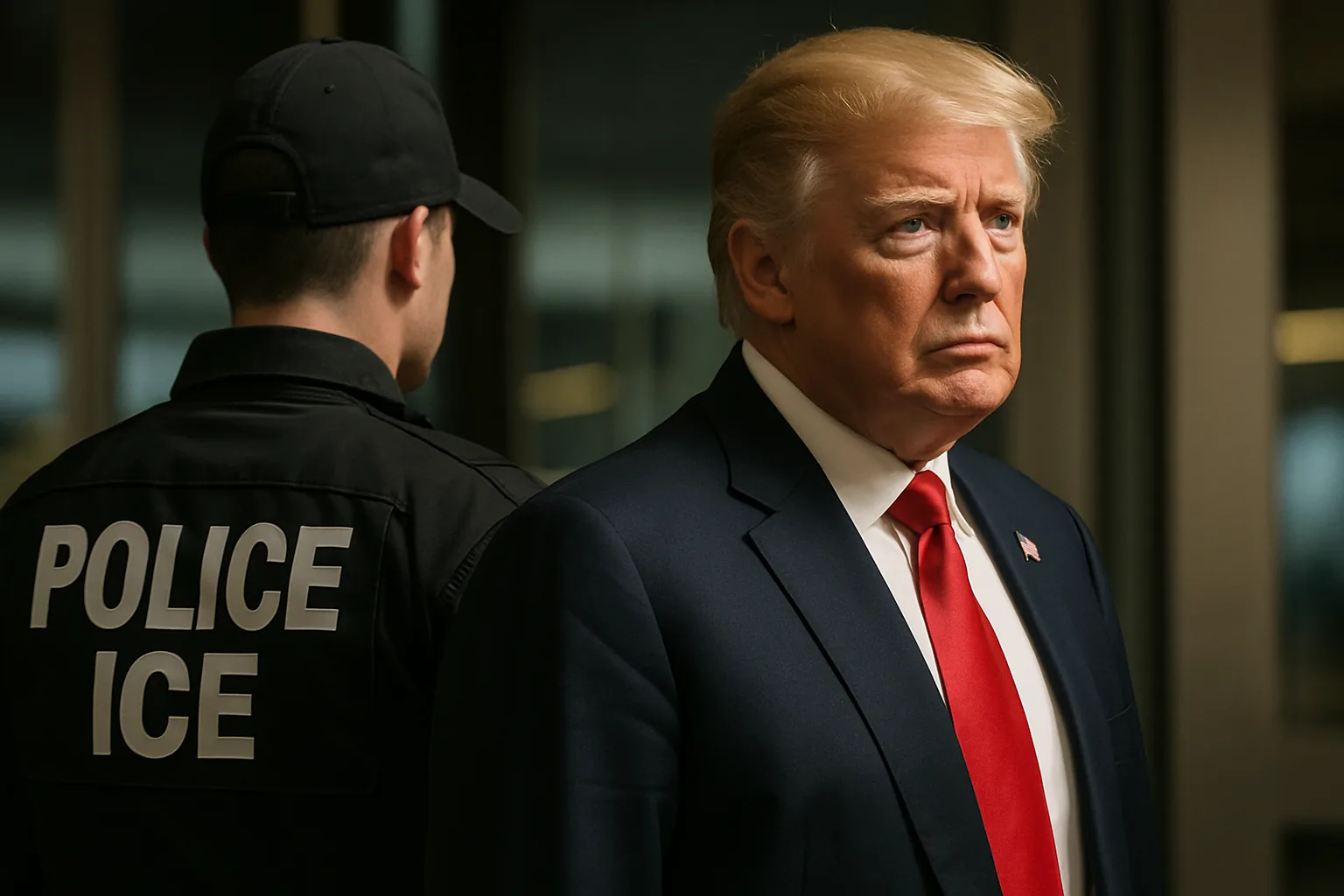
Repurposing ICE matters because federal agencies are not neutral blocks of capacity waiting to be moved around without consequence. Each one carries a public meaning shaped by its mandate, history, and controversies. When an administration uses ICE beyond traditional immigration enforcement, the move can signal more than administrative improvisation. It can suggest that visible enforcement itself has become part of the governing message the administration wants to project.
That is why the story matters beyond bureaucratic mechanics. A government reveals something important about its instincts when it selects a particular agency to embody order, urgency, or dominance in politically charged settings.
Why agency symbolism matters in politics
Different agencies communicate different ideas to the public. ICE is associated with borders, detention, deportation, and a highly polarized political identity. When it appears in new contexts, those associations travel with it. The result is not merely a change in staffing. It is a change in the emotional and political tone of the space where the agency is deployed.
This is why the repurposing matters. It turns an operational decision into a symbolic one, whether or not officials acknowledge that openly.
A useful way to frame it is this: administrations do not just use agencies. They stage them.
Why this affects perceptions of executive power
When a president leans on enforcement agencies to address broader political challenges, observers may begin to see executive power less as administrative coordination and more as selective displays of state authority. That can energize supporters who value forceful action, while deepening concern among critics who see mission creep or politicization.
This is one reason the story matters beyond immigration. It shapes public understanding of how expansively the executive branch believes it can redeploy coercive institutions in service of wider political aims.
Why institutional boundaries still matter
Healthy governance relies partly on agencies retaining legible purposes. If those purposes become too fluid, accountability can weaken because it becomes harder for the public to judge whether an intervention is normal, exceptional, or opportunistic. Boundary-blurring can also affect morale, public trust, and the way officials interpret their own mission.
That is why the issue matters as an institutional story rather than just a partisan one. Agencies are easier to normalize into new roles than to pull back from them later.
Once an enforcement body becomes a flexible symbol of political will, the pressure to use it performatively can grow.
What matters next
The key questions are whether the broader role becomes temporary or durable, whether Congress and the courts respond, and whether the public comes to view this kind of repurposing as normal. Those answers will determine whether the shift remains an episode or becomes part of a deeper change in governing style.
That is why repurposing ICE matters. It reveals how executive power can be expressed through agency identity as much as through formal policy text.
In modern politics, the meaning of an agency often depends not only on what it is authorized to do, but on what leaders choose to make it represent.