
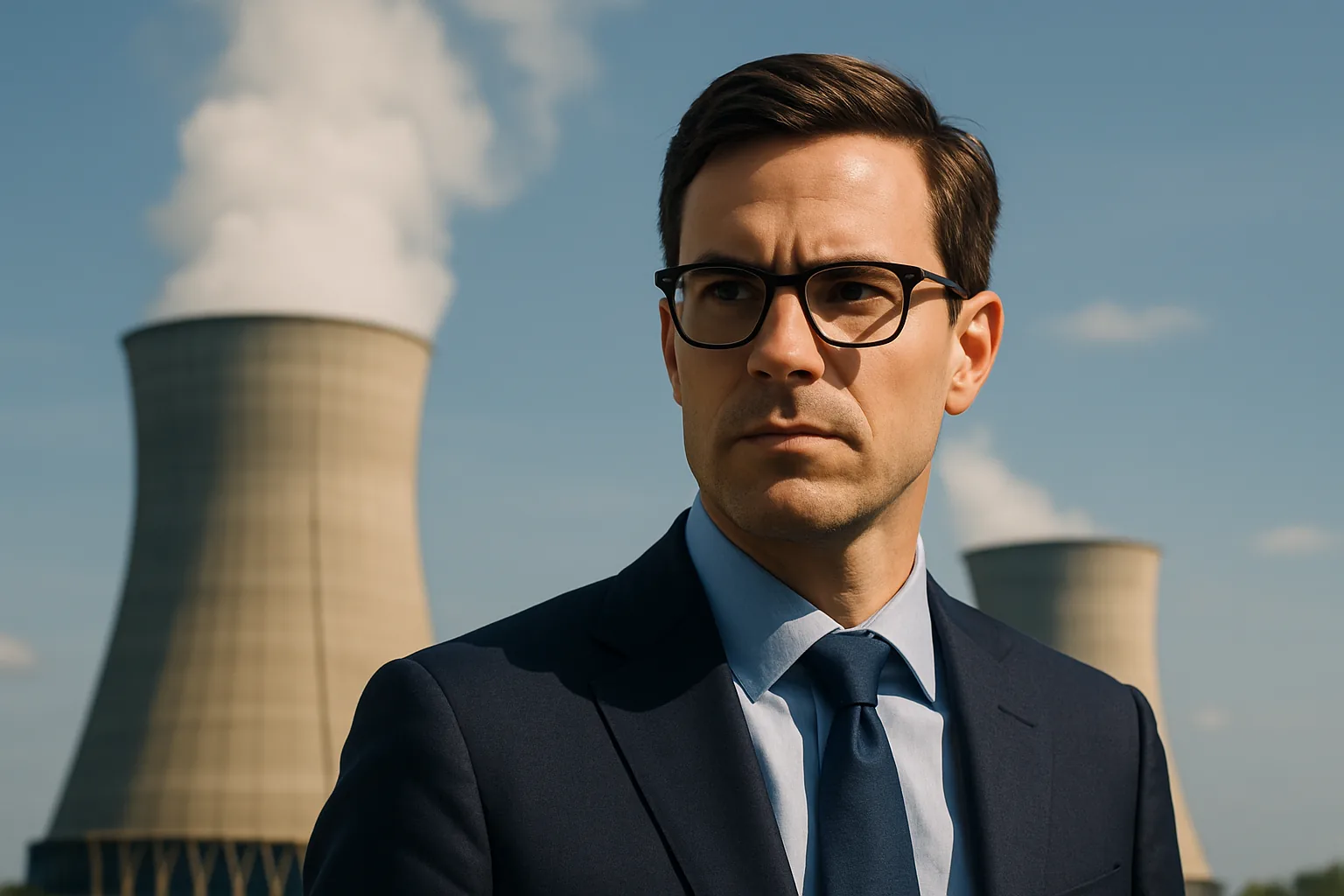
The reported cultural shift inside the Nuclear Regulatory Commission under the Trump administration drew attention because it brought a Silicon Valley style of thinking into one of the most risk-sensitive parts of government oversight. That is a consequential pairing. Nuclear regulation has long been associated with caution, process, and documentation, while the tech sector is often associated with iteration, speed, and disruption.
The significance of the change was not simply aesthetic. It pointed to a different theory of how nuclear oversight should evolve in a period shaped by startups, software tools, and new reactor designs.
What Silicon Valley brought to the discussion
The tech influence was described in terms of efficiency, streamlined procedures, more data-driven operations, and greater willingness to modernize the way the NRC worked. Supporters viewed that as overdue. If the regulatory process is too slow or too rigid, emerging nuclear companies can struggle to move projects forward even when they are developing systems meant to improve safety or reshape energy supply.
From that perspective, importing some of the tech world's operational habits looked like an attempt to make the regulator more responsive to a changing industry.
Why the shift appealed to nuclear startups
A more innovation-friendly posture can matter a great deal for companies working on small modular reactors, digital safety systems, or other advanced nuclear concepts. These businesses often argue that regulatory systems designed around older technologies can make it harder to test and deploy newer approaches. A commission more open to experimentation may therefore look like a better fit for an industry trying to reinvent itself.
That helps explain why Silicon Valley's involvement was seen by some as a catalyst rather than a threat. It promised a pathway toward modernization in a sector where timelines are notoriously long.
Why critics were uneasy
The central criticism was never hard to understand. Nuclear regulation is not consumer software, and the consequences of failure are not comparable. A faster, disruption-oriented culture can sound attractive until it appears to soften the discipline that high-risk systems require. Critics worried that borrowing too heavily from the tech world might weaken the seriousness with which the NRC approaches safety review.
That tension sits at the heart of the story. Modernization can be valuable, but in nuclear oversight the standard cannot simply be speed for its own sake.
What the episode reveals
The broader lesson is that regulatory culture matters as much as formal rules. Bringing Silicon Valley ideas into the NRC reflected a belief that America's nuclear future might depend on making oversight more adaptable to technological change. Whether that improves the system depends on where the balance is struck between innovation and caution.
That is why the episode remains significant. It was not just about personalities or style. It was about whether a tech-sector approach can coexist with the rigor expected in one of the country's most safety-critical institutions.