
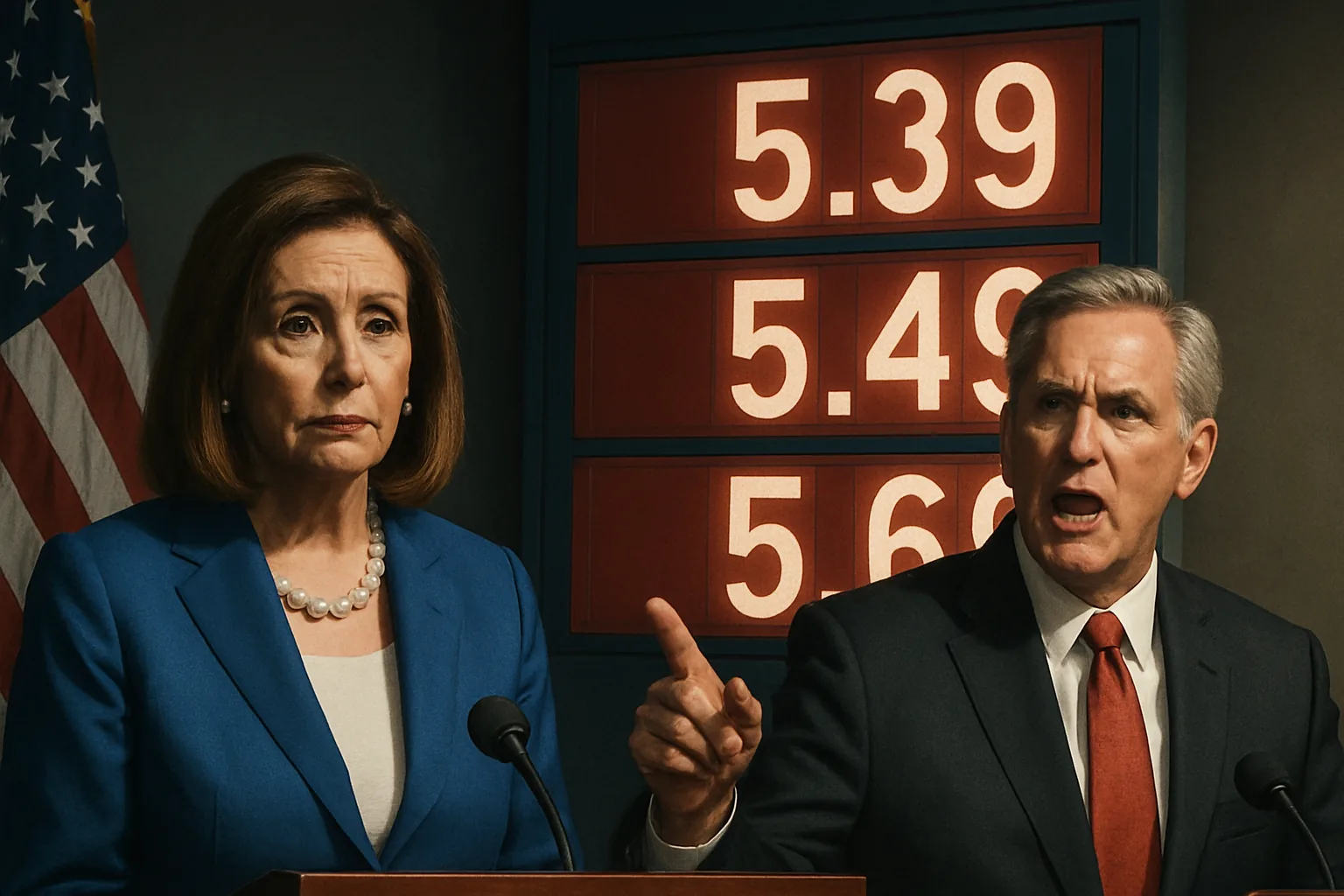
Rising Gas Prices Take Center Stage in Political Debate
Gas prices hitting record highs have sparked intense discussions in Washington, directly impacting household budgets and the national economy. With midterm elections looming, both political parties are using this issue to frame their platforms and appeal to voters.
Democrats Focus on Global Markets and Energy Transition
Democratic leaders attribute the recent gas price surge primarily to global market disruptions and geopolitical conflicts affecting oil supplies. They advocate for a balanced energy approach—investing in clean energy technologies while responsibly managing fossil fuel use. Their proposals often include targeted consumer relief measures such as rebates and fuel assistance to alleviate immediate financial burdens.
Republicans Critique Energy Policies and Regulatory Constraints
Republicans counter by blaming the current administration’s regulatory policies for restricting domestic fossil fuel production, which they argue tightens supply and inflates prices. They promote expanding oil and gas drilling to boost supply and reduce dependency on foreign imports. By linking high gas prices to broader economic mismanagement, Republicans seek to position themselves as champions of energy independence and market-driven solutions.
Five Central Themes in the Gas Price Discussion
- Supply Limitations: Republicans highlight decreased drilling permits and pipeline stoppages; Democrats emphasize global market volatility and OPEC’s influence.
- Energy Independence: Republicans push for increased domestic production; Democrats promote a diversified energy portfolio that includes renewables.
- Economic Effects: Both parties recognize consumer financial strain but differ in remedies—tax cuts and deregulation versus direct economic support.
- Geopolitical Context: Democrats focus on international conflicts disrupting supply; Republicans blame domestic policy constraints.
- Long-Term Vision: Democrats advocate transitioning to sustainable energy systems to prevent future shocks; Republicans prioritize maximizing existing energy resources to ensure short-term affordability.
Implications for Voters and Businesses
The gas price debate reflects deeper ideological divisions over economic policy and environmental priorities. Voters’ perspectives on these issues will influence midterm election dynamics and the policy landscape that follows. Businesses, especially in transportation and manufacturing, should watch these developments closely as shifts in energy policy could significantly impact costs and operational strategies.
Conclusion
Examining how Republicans and Democrats frame the surge in gas prices reveals their competing priorities and potential policy paths. As the midterms approach, gas prices will remain a pivotal issue—one that encapsulates broader challenges about America’s energy future and economic stability.