
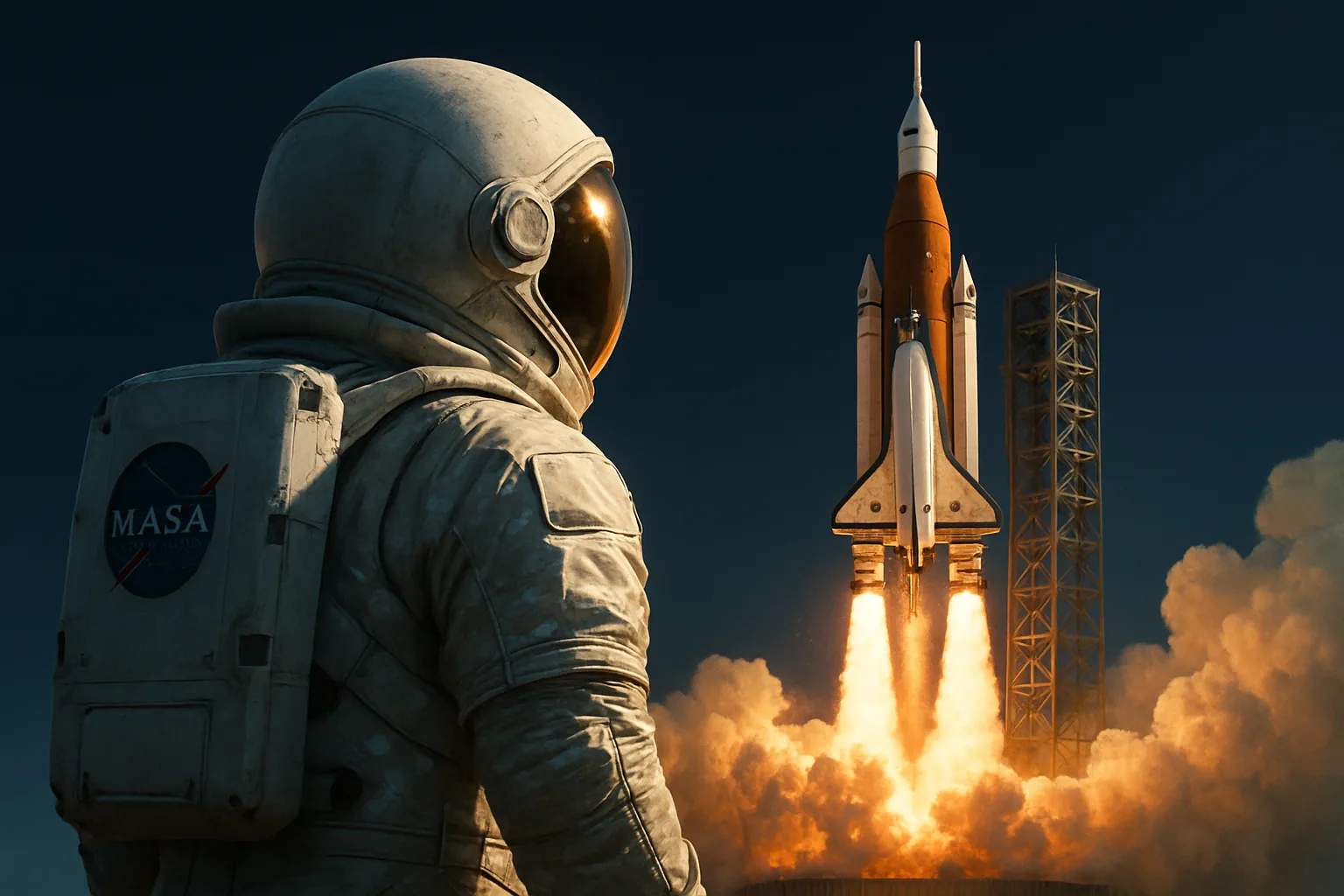
The relationship between Artemis and Project Hail Mary matters because science fiction gains much of its power from the credibility of the real-world institutions behind it. When NASA advances visible exploration programs, it gives audiences a living reference point for how humanity might organize large, complex missions beyond Earth. That helps stories like Project Hail Mary feel less like abstract fantasy and more like an extension of real scientific ambition.
That is why the connection matters beyond promotion or branding. It shows how public exploration programs continue to supply the imagination with practical language for courage, engineering, and interplanetary possibility.
Why real missions strengthen fictional plausibility
Science fiction works best when it borrows enough reality to make extraordinary circumstances feel navigable. Artemis provides exactly that kind of grounding. It involves systems integration, crew planning, life-support thinking, and long-duration mission discipline, all of which help audiences understand how a lone or distant mission might be conceived in dramatic fiction. Even when the fictional scenario is far more extreme, the institutional logic begins to feel recognizable.
This is why the connection matters. Real space programs create the cultural infrastructure that allows speculative stories to feel convincing rather than decorative.
A useful way to frame it is this: ambitious fiction often depends on the audience believing that real human systems could someday reach far enough to make the premise emotionally legible.
Why NASA still shapes the emotional language of exploration
NASA does more than build vehicles and missions. It helps define the emotional grammar of exploration in public life. Terms like mission readiness, crew resilience, and scientific discovery carry weight because the agency has spent decades turning them into shared symbols of competence and aspiration. A story like Project Hail Mary draws from that reservoir even when it pushes far beyond current capability.
This is one reason the link matters. It reveals how institutions can influence fiction not only technically, but culturally.
Why modern sci-fi benefits from contemporary relevance
Audiences respond differently to space fiction when they can connect it to active programs rather than distant historical memory. Artemis makes exploration feel current again. That immediacy gives stories about survival, science, and sacrifice renewed force because viewers are already primed to think about the Moon, deep-space logistics, and the future of crewed missions. Fiction becomes more resonant when it feels adjacent to the present.
That is why the relationship matters beyond one film adaptation. It reflects how living space policy can renew the narrative power of science fiction itself.
When real exploration regains momentum, science fiction no longer has to invent the feeling of possibility from scratch.
What matters next
The key questions are how accurately films translate the values and problem-solving ethos of real exploration, whether audiences interpret NASA involvement as authenticity or marketing, and how future missions continue influencing cultural expectations. Those answers will shape whether the connection deepens public engagement or remains a passing novelty.
That is why Artemis matters to Project Hail Mary. It gives the story a contemporary frame of scientific seriousness and makes its extraordinary mission feel emotionally closer to the world people already know.
For viewers, the result is a more compelling kind of science fiction: one that feels imaginative not because it ignores reality, but because it extends the best parts of it.