
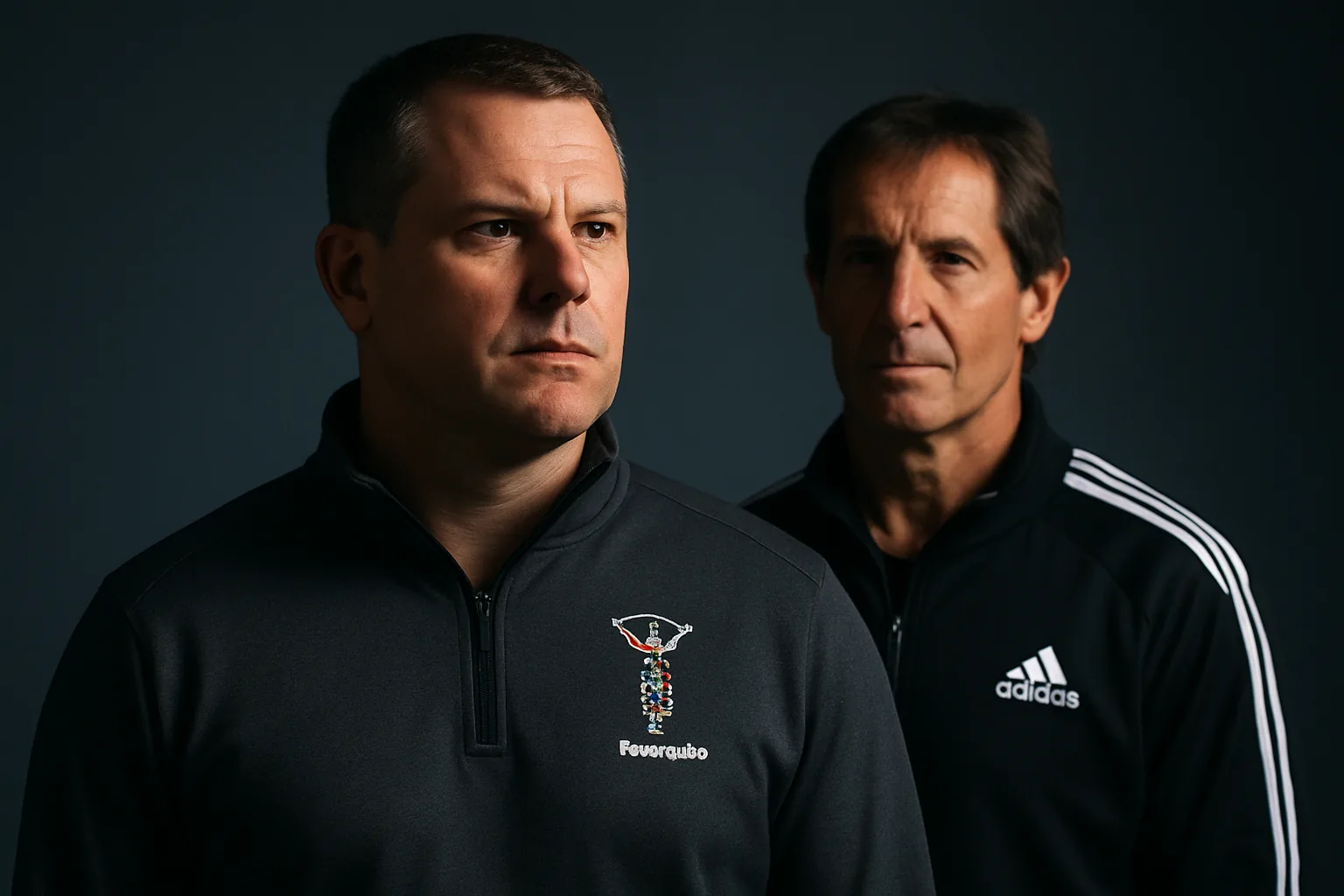
Harlequins' coaching changes are interesting because they do not look like a pure revolution. Promoting Jason Gilmore while bringing in Robbie Deans as performance director suggests the club is trying something more measured: preserve some internal continuity while adding external authority and broader strategic oversight. That is a different kind of reset from simply hiring one star name and declaring a new era.
That matters because coaching transitions often fail when clubs confuse movement with clarity. Change by itself is not progress. The more relevant question is whether the new structure makes the rugby operation more coherent. In this case, Harlequins appear to be trying to create clearer layers of responsibility rather than just chasing a dramatic headline.
Why Jason Gilmore's promotion signals trust in internal continuity
Making Gilmore the permanent head coach suggests the club believes there is value in what already exists inside the environment. Internal promotions are rarely chosen if the leadership wants to burn everything down. They are chosen when decision-makers think the squad still responds to the existing culture, but needs firmer long-term direction and more stability in how that culture is applied.
This can be a smart move if the players already understand the coach's voice and methods. Continuity can reduce transition noise, especially in a sport where the details of training standards, selection trust, and week-to-week emotional management matter as much as tactical theory.
Why Robbie Deans changes the equation
Bringing in Deans adds a different layer of value. A performance director role is not simply another coaching title. It suggests the club wants broader strategic discipline around standards, systems, and long-view rugby direction. That kind of appointment can help a club avoid becoming too dependent on the mood or instincts of one head coach.
Deans' reputation also matters because experienced senior figures can add weight without needing to dominate day-to-day messaging. If used well, that kind of presence gives a club a stronger decision-making spine while still allowing the head coach to retain direct ownership of the team's weekly work.
A useful way to think about it is this: Gilmore may provide continuity of voice, while Deans provides continuity of standards. That combination can be more powerful than either one alone.
Why this structure may suit Harlequins now
Clubs often reach for grand overhauls when what they really need is more alignment between vision and execution. Harlequins may be reading their situation that way. Instead of treating the entire setup as broken, they appear to be reinforcing the parts they trust while upgrading the system around them.
This approach can be especially valuable if the squad already contains enough talent to compete but lacks consistency in performance and identity. In those situations, the answer is often not a complete stylistic rewrite. It is better coordination, stronger standards, and clearer accountability.
What to watch next
The real test will not be the announcement itself. It will be whether Harlequins start to look more coherent over time. Do selection calls align more clearly with the stated identity? Does the team look sharper under pressure? Does performance become less volatile across the season? Those are the signs that the new structure is doing real work.
It will also matter whether the club can benefit from Deans' senior oversight without muddying Gilmore's authority. The arrangement works best if players understand exactly where leadership sits and how each role improves the rugby operation rather than complicates it.
This is why the move is more interesting than a simple coaching reshuffle. Harlequins appear to be betting that stability and reinforcement can be more effective than spectacle. In modern club rugby, that can be a smarter gamble than the louder alternative.