
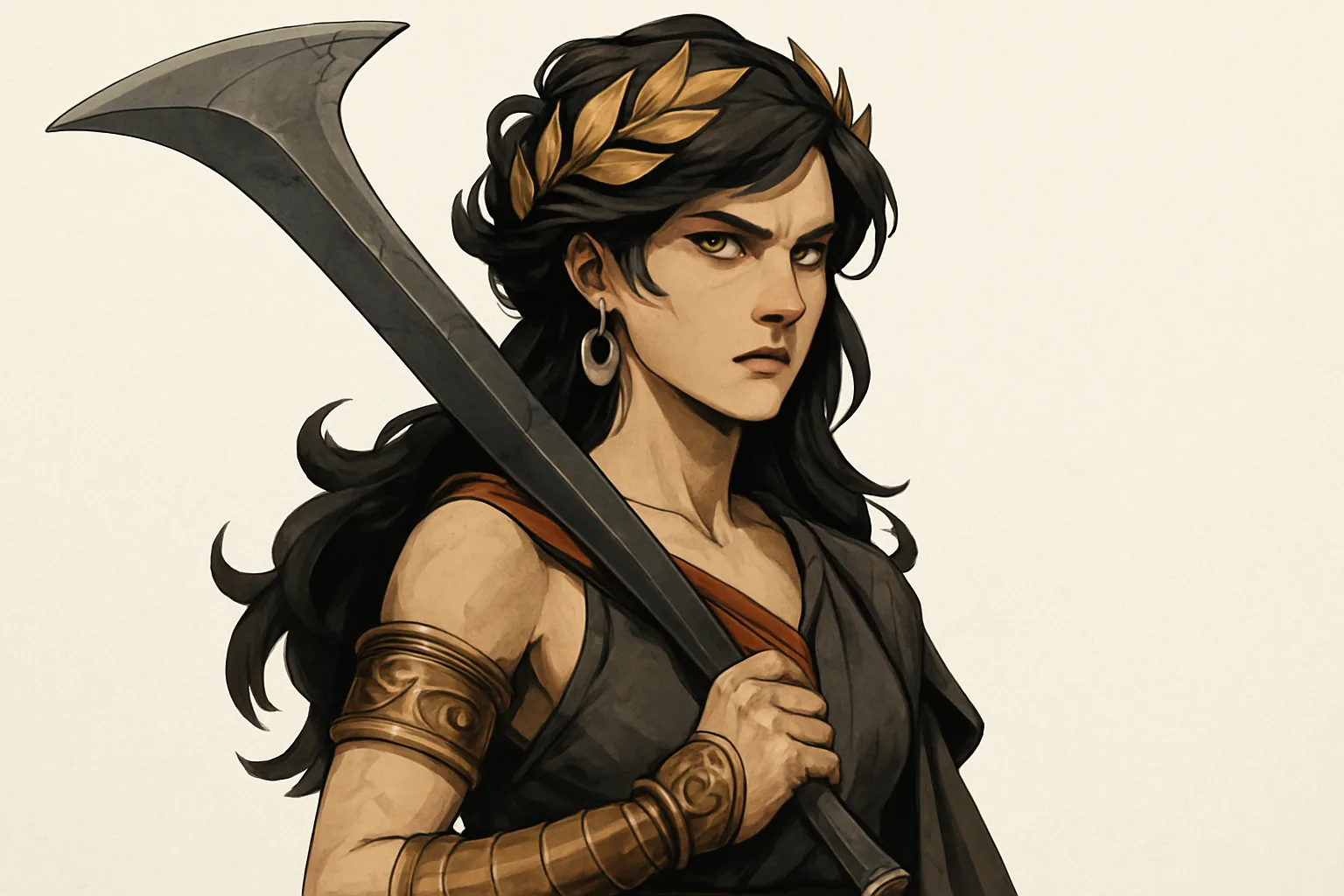
Hades II reaches PlayStation 5 and Xbox Series X|S on April 14, 2026, and Supergiant is not treating that date like a routine port drop.
The studio says the new console versions will include all post-launch patches already released elsewhere, plus additional bonus content and quality-of-life improvements. Those same improvements are also scheduled to arrive that day as a patch for players who already own the game on existing platforms. On Xbox, the release comes with another important wrinkle: day-one availability on Game Pass, including Xbox Cloud, along with Xbox Play Anywhere support.
That combination makes this release notable for two different reasons at once. First, it opens one of the best-received games of last year to a much wider console audience. Second, it resets the conversation around the game as something closer to a renewed launch than a late-platform afterthought.
Not just a port, but a second entry point
Supergiant frames the announcement around the game’s reception after its version 1.0 launch on PC, Nintendo Switch 2, and Nintendo Switch on September 25, 2025. The studio says Hades II became the best-reviewed game of 2025 according to Metacritic and OpenCritic, and it also points to a string of awards, including Best Action Game at both The Game Awards and the D.I.C.E. Awards.
That matters because platform expansions often arrive after the cultural peak has passed. Here, the studio is trying to do the opposite. By holding back Xbox and PlayStation versions until after further work on patches and quality-of-life additions, Supergiant is presenting April 14 as the moment new players get a highly polished version, not an early wave of catch-up.
The company even says the Xbox release arrives in its “most complete form ever.” That is marketing language, but it lines up with the actual release structure described in the announcement: console newcomers are getting the accumulated work of the post-launch period in one package, while existing players get the same improvements through a patch on the same day.
Why Game Pass changes the shape of this release
The PlayStation version broadens access. The Xbox version changes the economics of discovery.
A day-one Game Pass launch means Hades II is not relying only on players already prepared to buy a premium roguelike sequel at launch. It also lands in front of subscribers who may have admired the original game, heard about the sequel’s critical success, but never made time for it on PC or Switch. For a game built around repeat runs, experimentation, and gradual mastery, that matters. Game Pass lowers the commitment required to try a demanding, systems-heavy action game.
Xbox Play Anywhere strengthens that pitch. A player can start on console, continue on PC, and keep the game within the same Xbox ecosystem. Combined with cloud availability, Microsoft is offering convenience as part of the package, not just access.
That does not make the PlayStation release secondary. PS5 remains a major audience for premium action games, and Supergiant specifically says both PS5 and Xbox Series X versions run at 120 frames per second. For a game where split-second movement, dodging, and fast visual readability matter, that technical point is more than a spec-sheet flourish.
A concrete example of what this means in practice
Take a player who loved the first Hades on console but skipped the sequel because it launched first on other platforms. On April 14, that player has two very different but equally low-friction paths back in.
On PS5, they can buy into a version built after months of post-launch refinement rather than the launch-day baseline. On Xbox, a Game Pass subscriber can jump in immediately, test whether the sequel clicks for them, and keep moving between console, PC, and cloud if they use Microsoft’s ecosystem heavily. That is a practical difference in how a sequel reaches people: not only through reputation, but through reduced friction.
For publishers, platform launches are usually about audience expansion. For players, they are often about timing. Hades II is arriving on these systems only after its strongest reviews, after awards momentum, and after additional polish work. That makes April 14 a much easier moment for a lapsed fan or merely curious player to say yes.
What existing players should pay attention to
The announcement is also careful not to frame console players as the only audience that matters now. Supergiant says the same-day patch will bring bonus content and quality-of-life improvements to people who already own the game, with full patch notes to come when the update lands.
That is important for two reasons. One is goodwill: studios can create frustration if a big platform release appears to get the best version while earlier buyers are left behind. The other is practical. If April 14 produces a new wave of attention, streaming, and player discussion, current players will be participating in that moment on updated software rather than watching it happen from an older build.
Supergiant has not detailed the exact contents of the bonus material yet, so there is a limit to how much can be inferred. Still, the company is clearly signaling that this is not just about compatibility work. It wants returning players to have a reason to check back in.
What to watch next
The next real question is not whether Hades II can find an audience on PS5 and Xbox. The source material already points to a game with elite critical standing and broad industry recognition. The more interesting question is how much a staggered, more-complete rollout can extend the life of a premium single-player game that already had its first major success cycle.
There are a few things worth watching after launch:
- Whether Game Pass materially expands the game’s reach beyond the audience that would have bought it outright.
- How substantial the announced bonus content turns out to be once patch notes are published.
- Whether the console launch creates a second burst of community conversation comparable to the 1.0 release window.
Supergiant’s announcement is brief, but the strategy underneath it is easy to read. Instead of pushing every version out at once and moving on, the studio appears to have used time after the 1.0 launch to tighten the package, then reopen the game to two major platforms under stronger conditions.
For players, that means Hades II is arriving on PS5 and Xbox with less uncertainty than many major releases get. For Supergiant, it is a chance to turn acclaim into a longer tail. And for Xbox in particular, it is another example of Game Pass being used not just to host older hits, but to shape how a major new audience first encounters a critically successful game.