
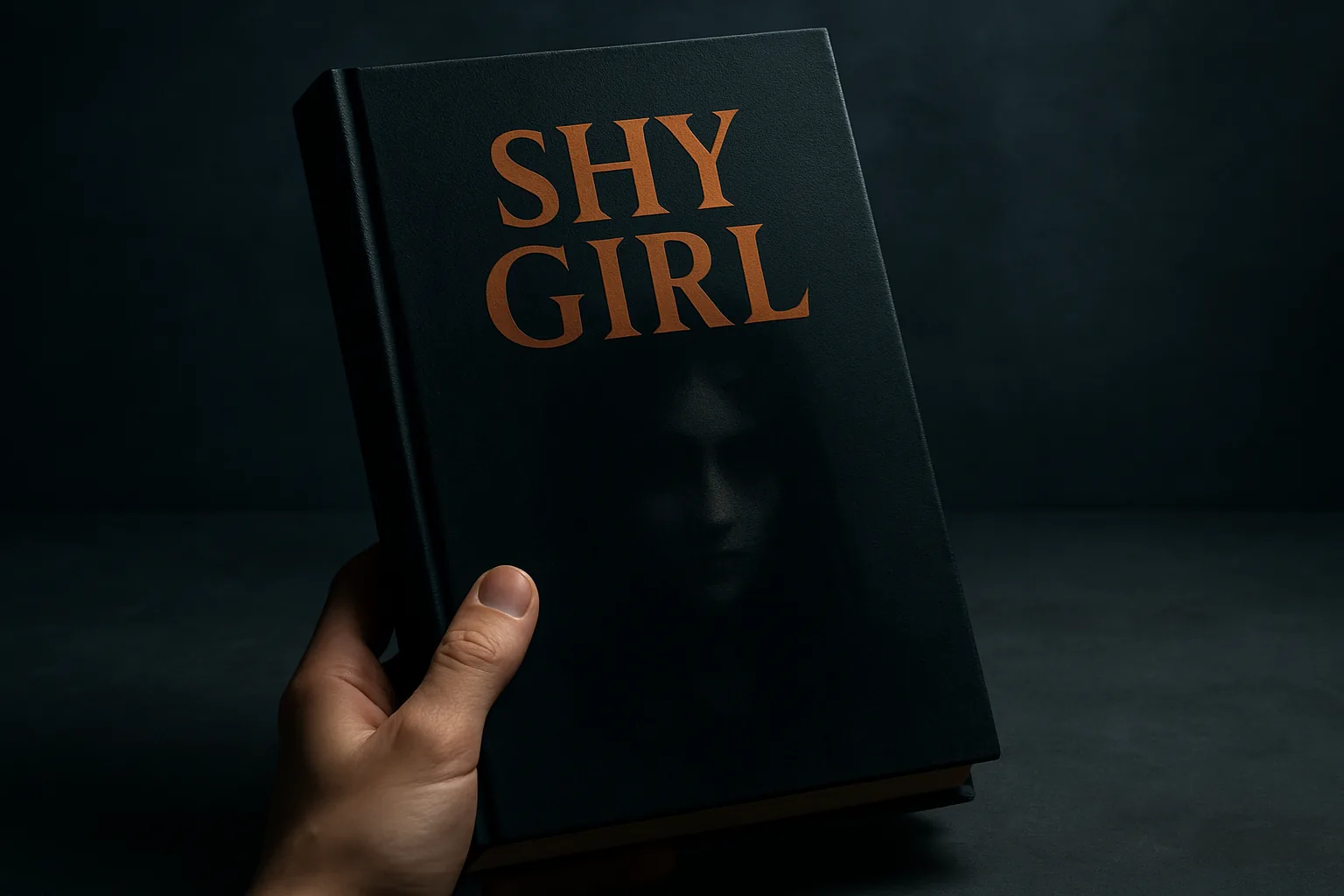
An AI authorship controversy matters because publishing depends on more than the printed words themselves. It depends on trust: trust that the book was represented honestly, that editorial standards were applied in good faith, and that readers understand what kind of creative labor they are buying into. When a publisher withdraws a title over concerns about AI involvement, the significance is larger than one release. It signals that the industry is still trying to decide where authorship ends, where tool use begins, and what kinds of disclosure are necessary to keep the market credible.
That is why the story resonates beyond publishing professionals. Books still carry strong cultural assumptions about singular voice, craft, and authorship that generative tools are beginning to strain.
Why authorship is a core publishing value
Readers do not approach books as purely interchangeable content objects. They care about voice, point of view, intent, and the identity of the creator. Even in commercial publishing, the idea that a work emerges from an author's mind and labor remains central to how value is assigned. If that assumption weakens, the relationship between reader and publisher becomes more uncertain.
This is why AI authorship concerns matter more than routine production issues. They challenge the symbolic foundation on which publishing has long sold legitimacy.
A useful way to frame it is this: when authorship becomes unclear, the market is not only debating process. It is debating what kind of cultural object a book is supposed to be.
Why publishers are under pressure to define boundaries
Publishers now face a difficult balance. Overly rigid rules may ignore the reality that many writers use digital tools in minor or mixed ways. Overly vague rules, however, risk making readers and authors feel that the standards are being quietly rewritten without consent. A withdrawal or correction can therefore function as a boundary-setting act as much as a crisis response.
This is one reason the story matters. It shows that gatekeepers are being forced to articulate norms they once barely needed to state explicitly.
Why the reaction extends beyond one title
An AI controversy in publishing affects authors who worry about unfair suspicion, publishers who fear reputational damage, and readers who may start doubting the authenticity of work presented as human-written. The reputational spillover can touch the whole ecosystem. That is especially true in genres where originality, voice, and atmospheric craft are central to the reader experience.
That is why the incident matters beyond a single withdrawn novel. It contributes to the emerging social rules that will determine how much AI participation is tolerated, disclosed, or stigmatized in mainstream publishing.
Industries often define their standards through controversy, and publishing is now doing that in real time.
What matters next
The key questions are whether publishers adopt clearer disclosure policies, whether readers accept nuanced distinctions between assistance and substitution, and whether authorship claims become a more explicit part of book marketing and editorial review. Those changes will shape the future legitimacy of the market.
That is why AI authorship controversies matter. They are forcing publishing to decide how it will protect trust while creative tools become more ambiguous and harder to police cleanly.
If readers cannot tell what kind of authorship a book represents, publishers may find that the credibility they assumed was stable has become a much more fragile asset.