
Microsoft and Playground Games used the Xbox Games Showcase on June 7, 2026 to give Fable its clearest shape yet: the reboot launches on February 23, 2027, with early access beginning February 18 for the Premium Edition.
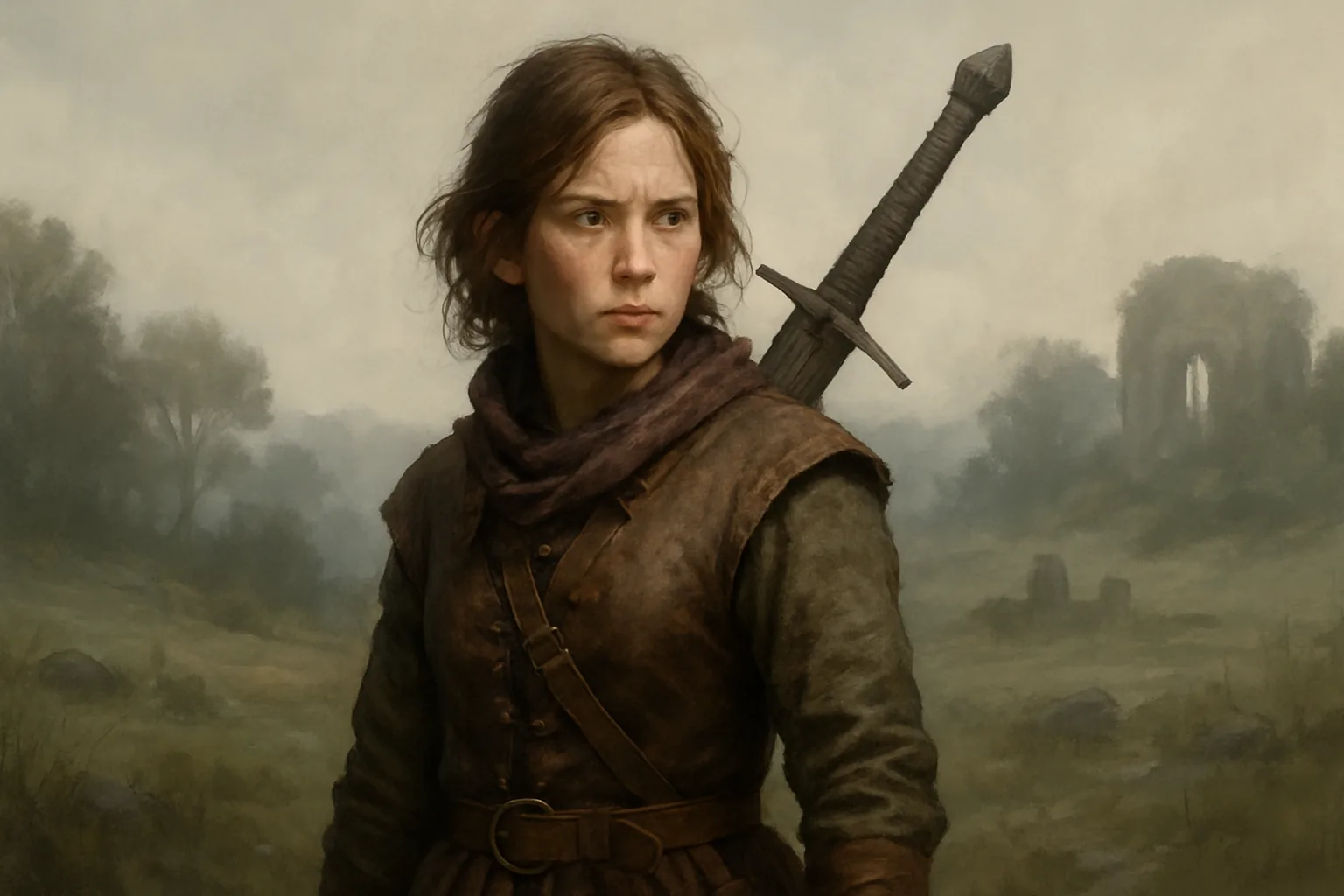
The new trailer introduced Isabel, the Hero of Wraithmarsh, played by Hayley Atwell. Xbox describes her as a powerful Hero with a tragic past whose attempt to right Albion’s wrongs has pushed her toward darkness. The trailer also teased Jack of Blades, one of the original Fable’s best-known figures, suggesting the reboot is not cutting itself off from the series’ older mythology even as it rebuilds Albion for a new generation.
The platform plan may matter as much as the date. Fable is coming to Xbox Series X|S, PC, and PS5, with day-one access through Game Pass on Xbox and PC. That makes it one of the clearest examples of Microsoft’s current balancing act: keep Xbox hardware and Game Pass meaningful, while letting major first-party games reach players who do not own an Xbox console.
What the Trailer Adds
For years, the new Fable has been more promise than product. Playground Games, best known for Forza Horizon, is taking over a role-playing series strongly associated with Lionhead Studios, British fantasy comedy, reputation systems, and player choice. A release date does not answer every design question, but it changes the conversation from whether the game is still distant to how it will land.
The official Xbox Wire recap says the new trailer focuses on Isabel and the shadow she casts over Albion. The game’s own materials describe a reboot built around an open-world Albion, a customizable Hero, melee, ranged and magical combat, reputation, relationships, and choices that affect how villagers respond to the player.
That is important because Fable is not just another fantasy RPG brand. Its identity has usually rested on tone and consequence. The series was never only about becoming stronger; it was about being seen becoming stronger. A heroic deed, a selfish decision, a public mistake, or a ridiculous personal choice could become part of how the world treated the player.
Why PS5 Matters Here
The PS5 launch is not a side detail. Xbox is still using exclusivity selectively. At the same showcase, Microsoft said Gears of War: E-Day and Clockwork Revolution will be Xbox console exclusives, and not timed exclusives. At the same time, games already announced for multiple platforms will keep those plans.
Fable sits on the other side of that line. It is an Xbox Game Studios RPG, it will support Microsoft’s subscription pitch, and it will also sell into PlayStation’s install base. That means Xbox is no longer treating every major first-party release as a console-locking tool. Some games are being positioned as ecosystem anchors. Others are being treated as audience-maximizing releases.
For a player, the practical result is simple. A household with a PS5 in the living room and a gaming PC in the office will not have to buy an Xbox Series X just to play Fable. The PS5 owner can buy it outright. The PC player can weigh a purchase against a Game Pass subscription. Xbox still gets revenue either way, but the route into the game changes depending on the device already in the home.
That is a different competitive posture from the old console-war reading of first-party games. Microsoft can still use Game Pass and Xbox Play Anywhere to make its own ecosystem attractive, while accepting that a large audience may experience an Xbox-owned series on another company’s hardware.
The Reboot Has to Solve Two Problems
The first problem is nostalgia. Fable has a recognizable tone, but nostalgia alone would make the reboot feel small. The official site leans into familiar ingredients: Albion, dark humor, reputation, personal identity, combat, relationships, property, and public consequence. Those are the right signals, but they also raise the bar. Players will expect the world to react in ways that feel legible rather than cosmetic.
The second problem is scale. Modern open-world RPGs are judged against years of player expectations around exploration, build variety, quest structure, performance, and post-launch support. Playground’s background in technically polished open worlds may help, but Fable asks for a different kind of density than a racing map. Its towns, characters, and social systems have to carry personality, not just scenery.
The Premium Edition details point to another part of the plan. Alongside five days of early access, the edition includes a digital artbook and soundtrack, cosmetic outfits, in-game gifts, and a post-launch expansion. That confirms Microsoft is already framing Fable as more than a single release-week event. The expansion mention gives fans something to watch, though the main question remains whether the base game’s Albion is strong enough to justify that runway.
What to Watch Next
The release date puts Fable in a specific window, but the next round of information needs to be more mechanical. The story trailer has done its job if the goal was to introduce conflict and cast. What players still need is a clearer look at systems.
- Choice and reputation: how visible the consequences are, and whether they affect quests, towns, relationships, or only dialogue flavor.
- Combat variety: whether melee, ranged attacks, and magic feel meaningfully different across encounters.
- Albion’s density: how much there is to do outside the central story, especially in villages and social spaces.
- Platform performance: how Xbox Series X|S, PC, and PS5 versions compare at launch.
- Game Pass impact: whether day-one subscription access changes the early player base and conversation around the game.
The February 23, 2027 date gives Fable something it has lacked for much of its long marketing cycle: a fixed point. The new trailer gives it a villain, a returning threat, and a stronger narrative identity. The platform strategy gives the announcement its business weight.
For Xbox, Fable is now a test of how flexible a first-party franchise can be without losing its value to the Xbox brand. For players, it is a simpler question: after years of waiting, will Albion feel reactive, strange, funny, and dangerous enough to matter again?