
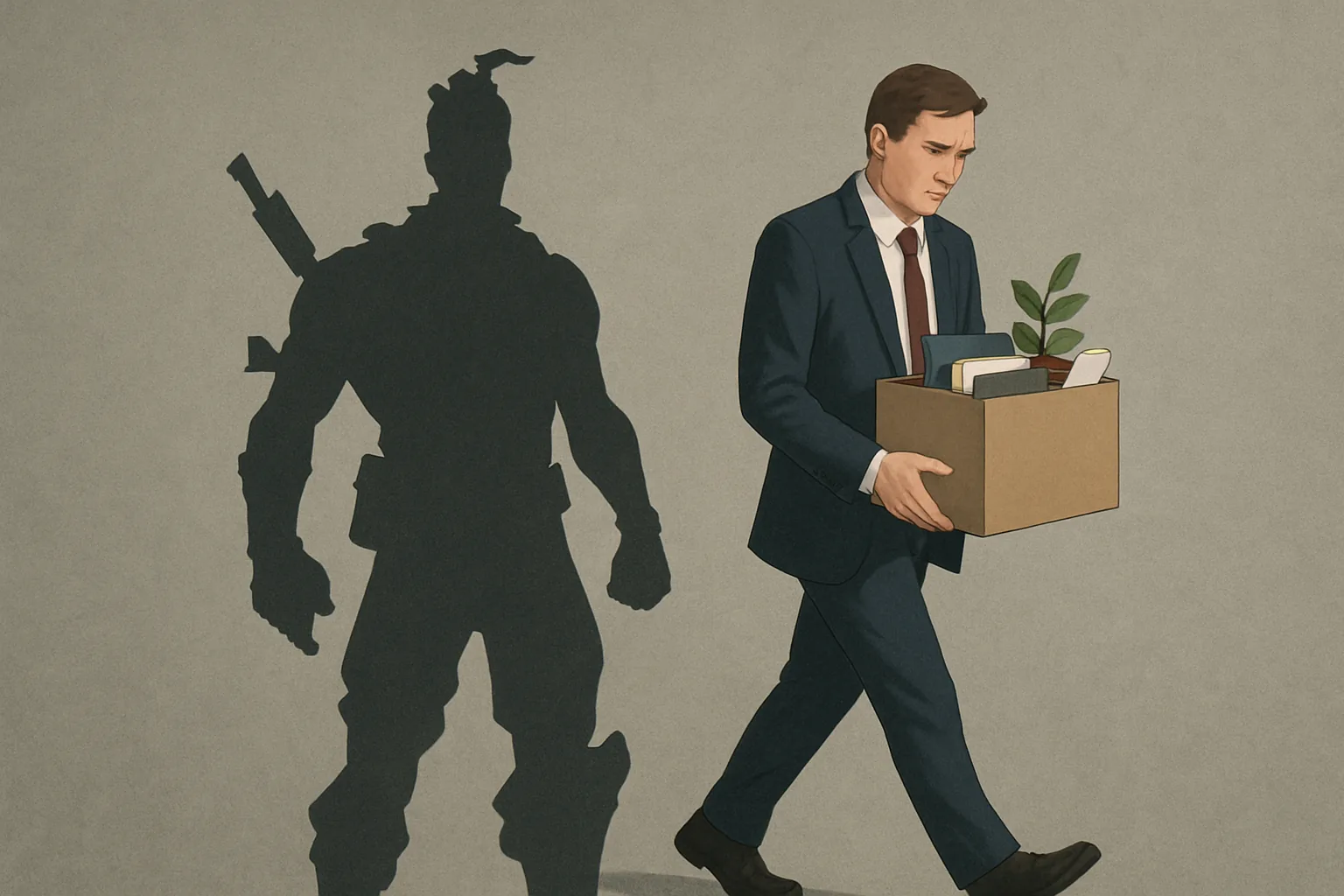
Epic Games says it will cut more than 1,000 employees as it tries to bring spending back in line with a business that is no longer getting the same lift from Fortnite engagement.
According to the company’s March 24, 2026 announcement, the layoffs are part of a broader effort to remove roughly $500 million in costs across contracting, marketing, and unfilled roles. CEO Tim Sweeney said the cuts were not driven by AI. The reason, he said, was simpler and harder: Epic is spending too much relative to what it is making.
That matters because Epic is not a marginal studio trying to survive one bad release. It is the company behind one of the most durable games of the past decade. If Epic is retrenching at this scale, the signal is not just that the games business is tough. It is that the economics of running a giant live-service platform look a lot less forgiving once audience attention starts to slip.
What changed
The company pointed to both industry pressure and Epic-specific problems. On the industry side, growth has slowed, consumer spending is softer, and cost structures are harder to justify. Epic also explicitly acknowledged that games such as Fortnite are competing not only with other games, but with social platforms and other online entertainment for time and attention.
That framing is important. It suggests Epic does not see the problem as a narrow content slump or a one-quarter stumble. The pressure is structural. The same user who once spent an evening inside a game now splits attention across TikTok, YouTube, streaming video, Discord, and everything else on a phone.
Epic also highlighted a company-specific limitation: it is still early in its return to mobile after years of court fights with Apple and Google over app store payments. That means one of the largest consumer platforms in the world remains only partially reopened to the company. For a business built on scale, reach, and recurring digital purchases, that gap matters.
Why this is bigger than one layoff round
The cuts land alongside other moves that point in the same direction. Epic has raised prices for Fortnite V-Bucks. It has also shut down several Fortnite modes. Put those pieces together and the strategy looks less like a temporary trim than a deliberate reset: reduce operating costs, narrow product sprawl, and ask the remaining audience to spend more efficiently.
That is not unusual in media or software. But it is notable in a company that spent years expanding Fortnite into something closer to a platform than a single game.
The message from Epic is not that Fortnite is over. It is that scale by itself is no longer enough protection. A massive player base can still create a cash-flow problem if engagement weakens while the organization is staffed and marketed for a bigger, faster-growth version of the business.
A concrete example of what this looks like
Imagine a player who used to log into Fortnite several nights a week, check rotating modes, buy V-Bucks regularly, and treat the game as a default social hangout. If that player now drops in less often, ignores side modes, and spends more time on short-form video or other online platforms, Epic gets hit from multiple angles at once.
It loses time spent. It loses the chance to monetize that time. And if enough players behave that way, the company has to decide whether to keep funding a wide ecosystem built for a more engaged audience. Price increases can help at the margin. Mode shutdowns can reduce waste. Layoffs cut the fixed cost base. None of those moves create growth on their own, but together they can stabilize the business.
That is the practical business logic underneath the announcement.
What founders and operators should notice
There is a useful lesson here outside gaming. Businesses built around high engagement often look healthy for longer than they really are, because large user numbers can hide a softer trend in intensity. The dangerous moment is not always a dramatic collapse. Sometimes it is a slow decline in how often people come back, how much they spend when they do, and how many expensive bets the company is still carrying from a more optimistic period.
Epic’s announcement shows what that looks like when management decides it cannot subsidize that gap anymore.
- Attention is now the core scarce resource. Epic is explicitly competing with social media and other digital entertainment, not just rival games.
- Platform access still matters. A limited mobile comeback weakens reach at exactly the moment efficient distribution matters most.
- Cost discipline arrives late, then all at once. Staffing, marketing, contractors, and product breadth get squeezed together when growth assumptions break.
What to watch next
The next question is whether Epic’s cuts are mainly defensive or whether they clear the way for a tighter, healthier version of the company.
One thing to watch is product focus inside Fortnite. If Epic keeps consolidating modes and pushes users toward fewer, stronger experiences, that will suggest the company is prioritizing concentration over breadth. Another is monetization. The V-Bucks increase is an obvious test of how much pricing power the franchise still has. If engagement is soft, raising prices can support revenue, but it can also put more pressure on retention if players already feel less committed.
Mobile is the longer-term variable. Epic itself says it is only in the early stages of returning. If that effort expands meaningfully, it could reopen a large channel for reach and spending. If it remains constrained, the company has less room to offset weakness elsewhere.
Sweeney’s memo, at least from the material released publicly, tries to place the company’s position inside Epic’s longer history of surviving industry transitions. That historical comparison is understandable, but the present challenge looks different. Earlier shifts were tied to clear technology transitions inside gaming. This one is also about competition from outside gaming, where attention can drain away without a direct substitute ever needing to beat Fortnite on game design alone.
That is the uncomfortable part of this story. Epic is not only fighting for players against other publishers. It is fighting for time in an internet economy where almost every product is engineered to absorb idle minutes.
For now, the layoffs, price changes, and mode shutdowns all point to the same conclusion: Epic is trying to make sure one of gaming’s biggest franchises remains financially durable even if the era of easy expansion has ended.