
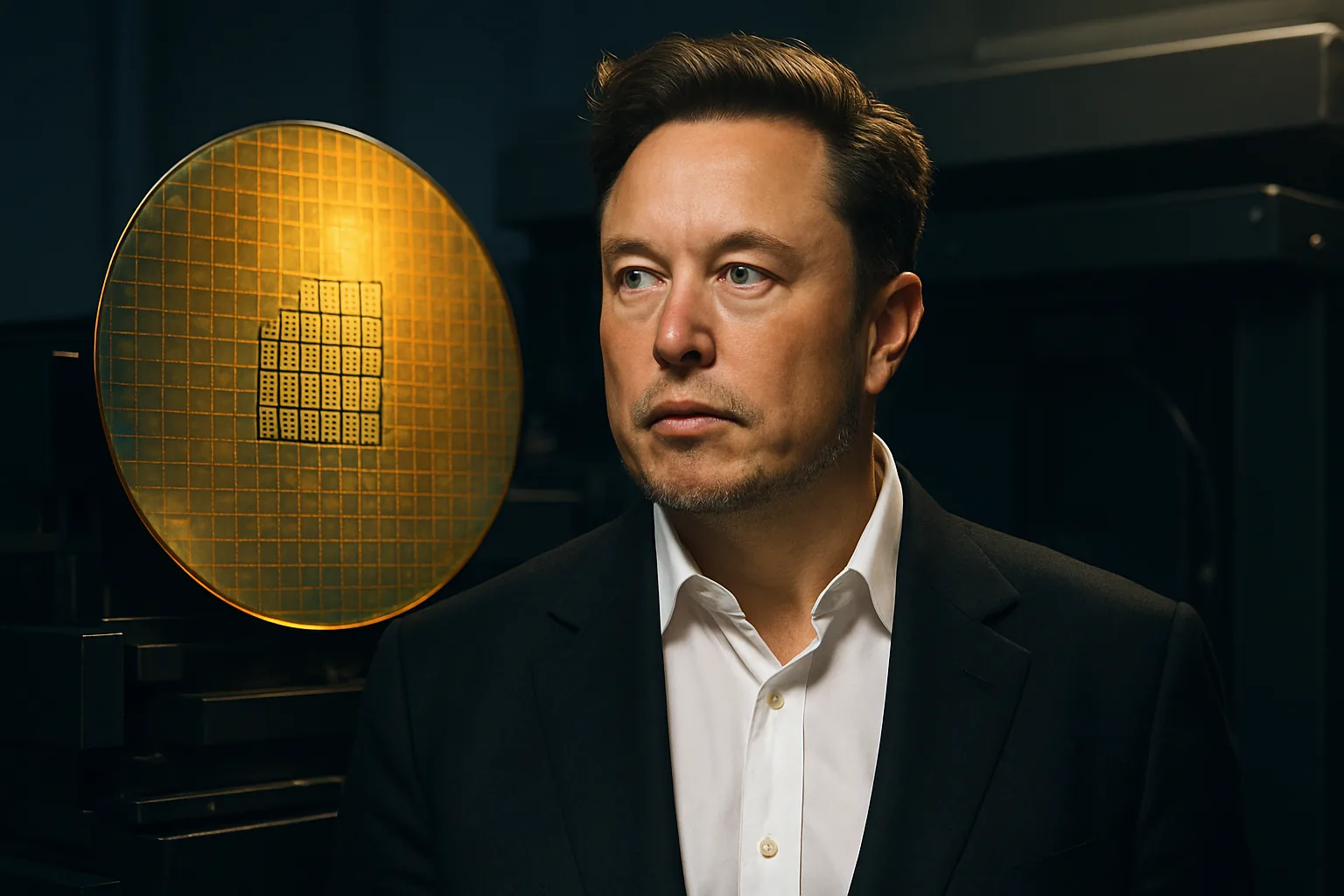
Introducing Terafab: A New Era in Chip Manufacturing
Elon Musk has revealed plans for Terafab, a cutting-edge chip fabrication plant located in Austin, Texas. This project represents a collaboration between Tesla and SpaceX, both of which will manage the facility together, marking a strategic effort to scale up in-house chip production.
Addressing Industry Challenges
With the semiconductor sector confronting supply chain disruptions and technical bottlenecks, critical industries—including automotive automation, AI, and aerospace—face considerable risk. Musk has highlighted concerns over these vulnerabilities, which threaten the technological advancement of his companies.
Terafab is designed to ensure a dependable supply of specialized chips tailored for high-demand applications such as robotics, artificial intelligence, and space-based data centers. These chips will meet the unique computational requirements of Tesla’s autonomous driving systems and SpaceX’s satellite networks.
Why Austin, Texas?
Austin’s emergence as a vibrant tech hub, boasting a wealth of skilled engineers and robust infrastructure, makes it the ideal location for Terafab. The site facilitates collaboration between Tesla and SpaceX engineers, fostering innovation in chip design and manufacturing processes within a supportive business environment.
Accelerating Innovation in AI and Space
By producing chips internally and at scale, Tesla and SpaceX can streamline development cycles and reduce costs. This integrated approach promotes rapid hardware and software iteration, vital for projects like SpaceX’s Starlink constellation and Tesla’s AI-powered vehicles.
Broader Industry Implications
Terafab signals a potential shift toward in-house semiconductor production among technology leaders, driven by ongoing global supply constraints. It emphasizes how semiconductor technology is becoming increasingly critical in advancing autonomous systems and space exploration.
Conclusion
Through Terafab, Elon Musk is taking decisive action to mitigate semiconductor shortages. This initiative aims to revolutionize chip design and manufacturing, empowering Tesla, SpaceX, and related ventures to push the frontiers of AI, robotics, and space infrastructure in an evolving technological landscape.