
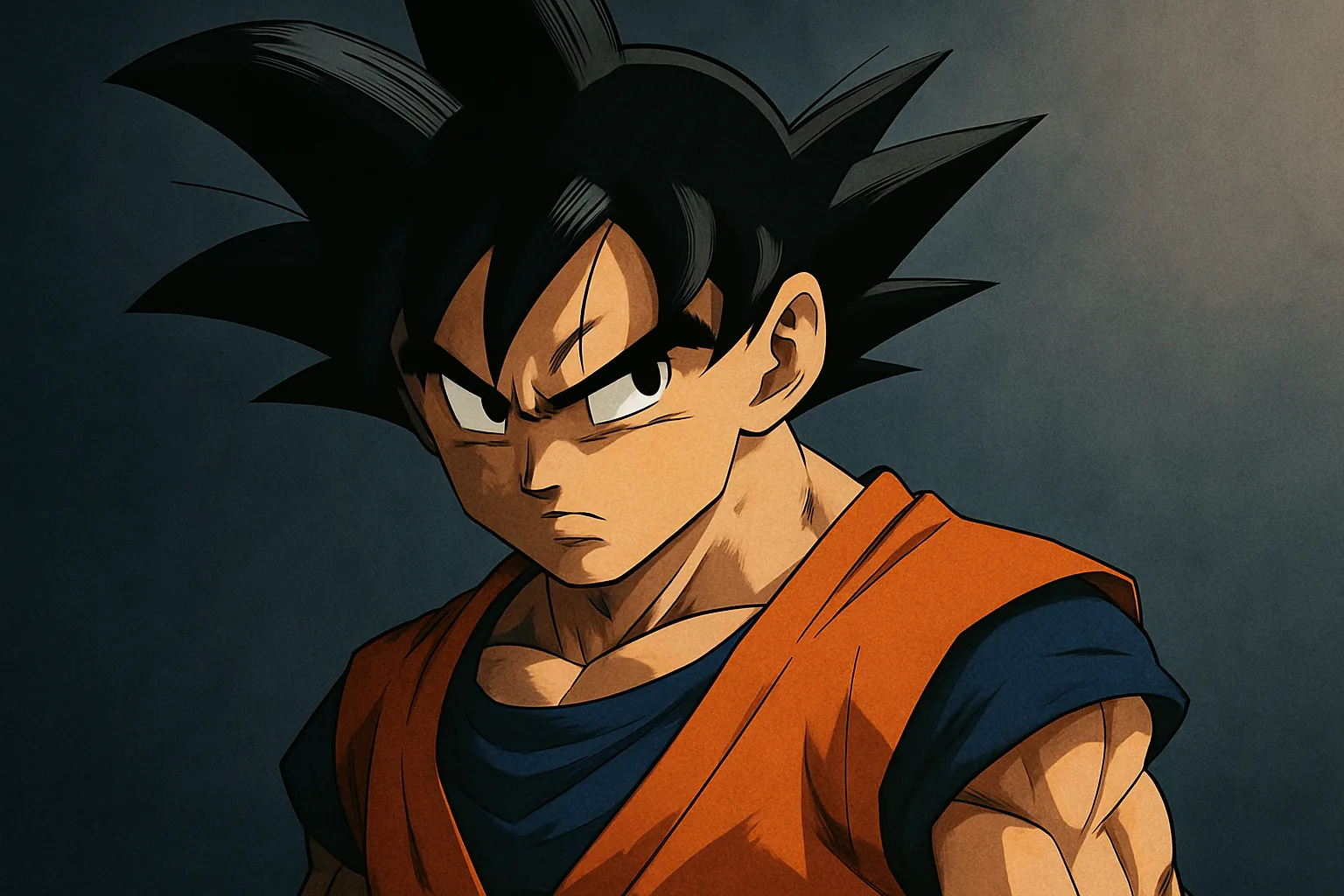
A small tease from Dragon Ball Super artist Toyotaro is enough to create instant buzz because Dragon Ball fans are conditioned to inspect every tiny public signal for meaning. When a franchise has spent time in a state of uncertainty, even a bio change or suggestive line can function like an event. That does not mean every hint guarantees a concrete announcement. It means the audience is unusually primed to turn modest clues into collective speculation.
That dynamic matters because Dragon Ball is not sustained by nostalgia alone. It is sustained by rhythm. Fans expect motion, whether through manga chapters, anime rumors, films, game appearances, or creator commentary. When the rhythm slows, the vacuum fills with interpretation. A tease then becomes powerful not because it says much on its own, but because it lands in a community that has already been waiting to believe something is coming.
Why Toyotaro carries special weight
Toyotaro is not just another public-facing creator attached to the brand. For manga readers, he is the visible steward of Dragon Ball Super's ongoing printed identity. That gives his words and even his stray gestures a different status from generic franchise chatter. Fans read them as adjacent to the actual creative pipeline, even when no formal announcement is attached.
That is why a subtle update can trigger outsized response. Readers assume that if anyone might hint at future movement without fully revealing it, Toyotaro is in a plausible position to do so. The tease becomes interesting less because it is explicit and more because of who delivered it.
Why the fandom is so sensitive right now
Long-running franchises create a specific kind of audience psychology. The more deeply people invest in characters, arcs, and power scaling debates over time, the less neutral they become during quiet periods. They start scanning for signs of direction. Dragon Ball Super has exactly that kind of audience: one that is comfortable operating in rumor mode because the franchise has trained fans to think in terms of what comes next.
This sensitivity is amplified by the fact that Dragon Ball is not a small series where readers politely wait for updates. It is a global fan ecosystem with enormous memory, constant conversation, and a habit of treating breadcrumbs as fuel. A single suggestive gesture can therefore behave like a larger announcement than it objectively is.
A good comparison is a packed stadium reacting to someone moving near the tunnel. The crowd is not celebrating the event itself. It is celebrating the possibility of what might emerge next.
Why teases are valuable even before confirmation
From a franchise-management perspective, hints and teases can serve a useful purpose even if nothing immediate is announced. They keep energy alive, test audience temperature, and remind fans that the property still has forward pull. For a series like Dragon Ball Super, that matters because attention is part of the engine. The brand remains culturally potent when speculation stays active rather than going cold.
There is also a creative benefit. A tease reorients discussion away from dormancy and back toward possibility. Fans start debating characters, arcs, unresolved threads, and what a return should look like. That kind of anticipation can be valuable on its own because it rebuilds momentum before any formal release timeline appears.
What to watch next
The obvious next question is whether the hint leads to something concrete: a resumed manga schedule, a broader production signal, or merely another round of suggestive ambiguity. Fans will be watching for anything more formal because anticipation can only sustain itself for so long without substance.
But the immediate lesson is already visible. Dragon Ball Super remains the kind of franchise where small creative signals still travel at massive speed. Toyotaro did not need a full trailer, a release date, or a structured announcement to reignite conversation. He only needed a gesture that readers could plausibly read as forward-looking.
That is why the tease matters. It shows that the manga may be quiet, but the fandom is not. And in a franchise built on expectation as much as delivery, that is often enough to restart the machine.