
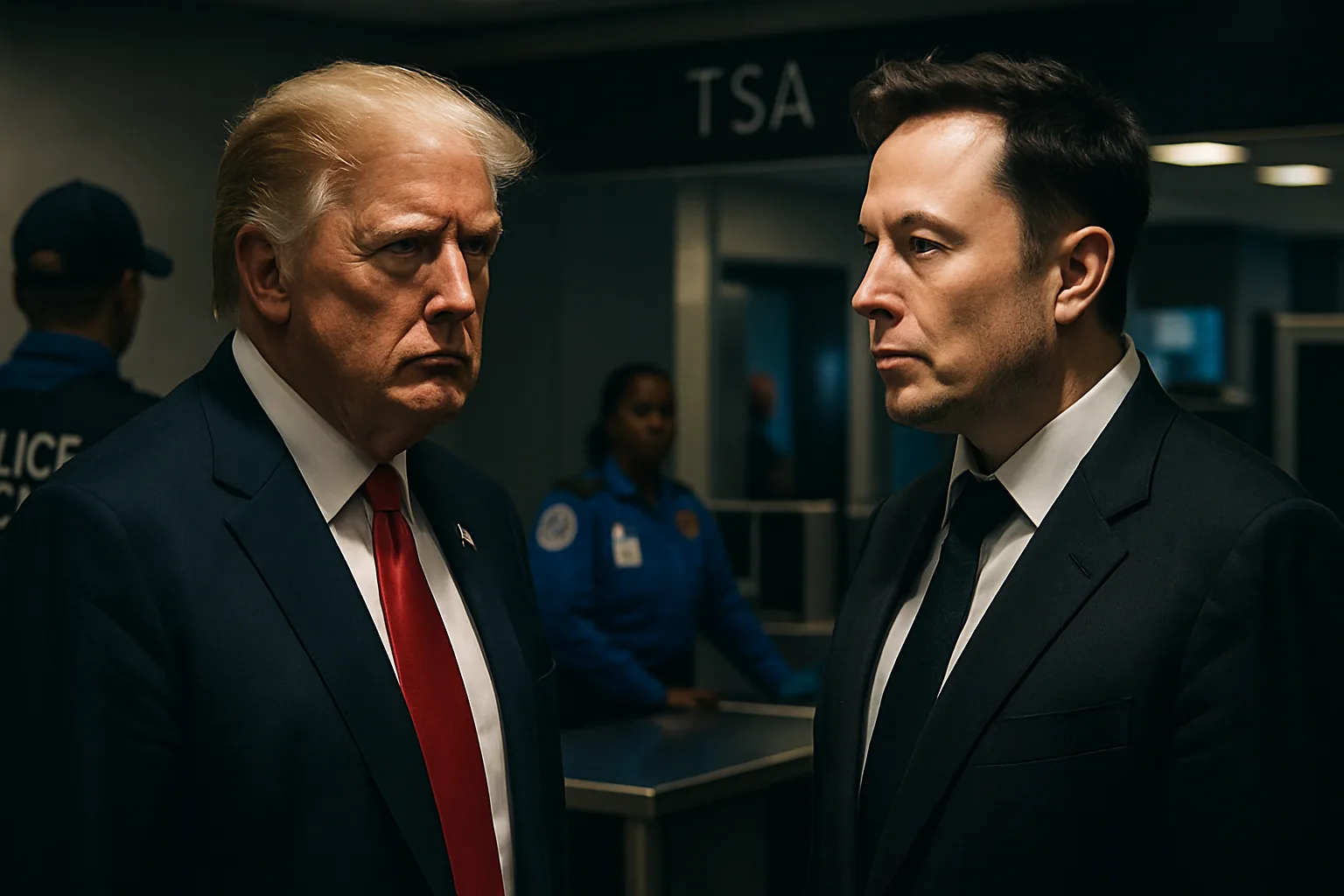
A DHS shutdown matters because it brings abstract political conflict into direct contact with public-facing systems that people expect to keep functioning. Homeland-security operations touch airports, border processes, emergency coordination, and many administrative layers most citizens rarely think about until something starts to wobble. When funding lapses and political actors begin floating improvised fixes or highly visible threats, the significance extends beyond budget procedure. It becomes a test of whether the government can preserve operational confidence while its own political incentives are pushing in the opposite direction.
That is why the story matters beyond Washington process coverage. A shutdown in this part of government can make institutional strain visible in ways that immediately affect travel, public trust, and perceptions of control.
Why DHS is especially vulnerable to politicized disruption
Homeland Security is already an institution where multiple charged issues converge: immigration, aviation, security, emergency response, and executive authority. That means any shutdown is likely to be interpreted not just as a funding dispute but as part of a larger battle over power and national priorities. Agencies under the DHS umbrella are therefore unusually exposed to becoming props in a wider political performance.
This is why the crisis matters. Disruption in a security-heavy department is never read as merely technical; it quickly becomes symbolic.
A useful way to think about it is this: the shutdown is not only about what stops working, but about what the public is encouraged to fear might stop working.
Why improvised solutions complicate confidence
When politicians float emergency staffing workarounds, private-sector stopgaps, or dramatic enforcement shifts, they may be trying to project decisiveness. But these gestures can also make the system look more fragile, because they imply that standard institutional pathways are no longer reliable. The public sees not only an attempted solution, but a signal that the usual architecture of governance is under strain.
This is one reason the story matters. The improvisation itself can become part of the instability.
Why airports magnify the perception of crisis
Airports are one of the most immediate places where federal dysfunction becomes visible. Travelers encounter security lines, staffing shortages, delays, and heightened enforcement in a concentrated environment where inconvenience quickly turns into public anxiety. That makes airport-related fallout from a shutdown disproportionately important politically, even if the deeper institutional damage extends much further.
That is why the story matters beyond DHS alone. Airports are where people feel federal capacity in real time, and any wobble there can shape how they judge the competence of the whole government.
In practice, visible public inconvenience often does more political work than formal constitutional argument.
What matters next
The key questions are how long the shutdown persists, whether operational degradation becomes measurable, and whether political leaders lean toward de-escalation or keep converting the crisis into a symbolic power struggle. Those choices will determine whether the episode is remembered as a temporary standoff or as a warning about the governability of security institutions under pressure.
That is why a DHS shutdown matters. It tests whether high-visibility public operations can remain credible when the politics around them become increasingly theatrical.
When government dysfunction reaches the agencies that organize public security, the real cost is not only disruption. It is the erosion of the sense that the state still knows how to prioritize continuity over spectacle.