
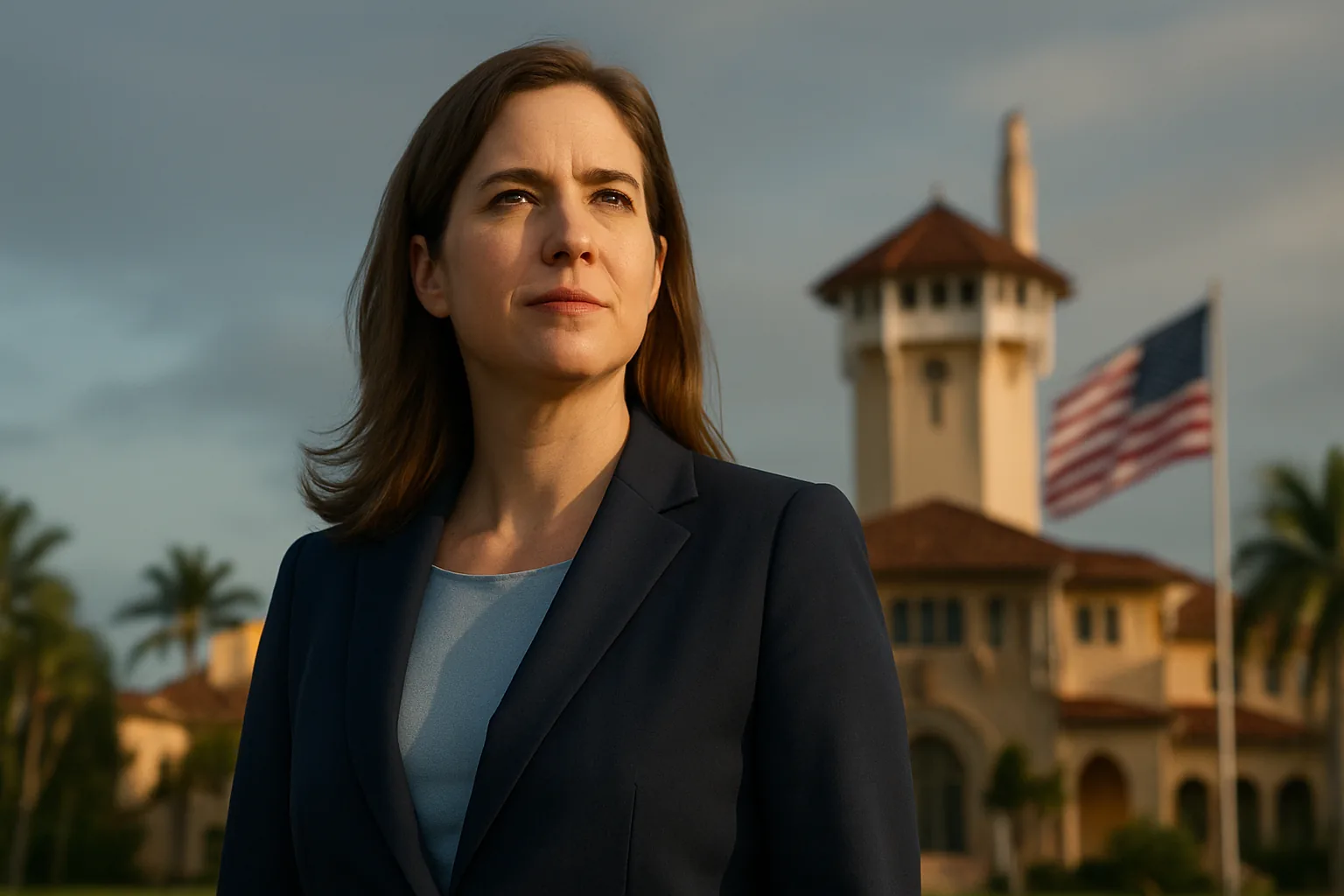
Campaigns in highly symbolic districts matter because politics is never only about vote totals. Geography carries narrative power, and some places acquire meaning beyond their legislative boundaries. A Florida seat associated with Mar-a-Lago is one of those places. It sits at the intersection of local representation and national symbolism, which means any challenger entering the race is also stepping into a much larger contest over attention and political framing.
That is why Emily Gregory's candidacy matters even if the district remains structurally difficult for Democrats. The campaign is not only asking whether the seat can flip. It is testing whether a challenger can use a nationally resonant location to change media focus, build a coalition, and force a conversation in a space often treated as safely aligned with Republican identity.
Why symbolic districts attract outsized interest
Some races become bigger than the office because the district itself functions like a political emblem. Mar-a-Lago is not just a property. It is a shorthand for Donald Trump's continued influence, Florida's conservative alignment, and a broader political brand that extends far beyond one neighborhood. Running there therefore invites national interpretation almost automatically.
That kind of symbolism can be useful for challengers. Even if the electoral math is difficult, the campaign can still generate volunteer energy, donor attention, and narrative momentum by contesting a place that already lives in the political imagination.
Why long-shot races can still matter strategically
Opposition parties often gain value from races they do not expect to win easily. A campaign can test messaging, register discontent, recruit new voters, and force the dominant party to spend time or resources defending its image. In some cases, the practical benefit is not immediate victory but the erosion of inevitability around a district's reputation.
This is where candidacies like Gregory's become interesting. They ask whether symbolic confrontation itself can be politically productive, even before the result is known.
A useful way to frame it is this: long-shot campaigns matter when they turn a supposedly settled map into an argument that has to be answered.
Why local politics still decides the limit
National symbolism can create attention, but it does not erase local fundamentals. Voter composition, turnout patterns, candidate quality, and district-specific concerns still set the outer boundary of what is possible. A race built too heavily on symbolism can struggle if it fails to connect that attention to everyday issues residents actually prioritize.
That is the balancing act. A candidate in a district like this needs both national narrative energy and credible local grounding.
What to watch next
The key signals will be whether Gregory can convert visibility into durable organization, whether Republicans treat the race as worth hardening early, and whether local concerns remain central rather than getting swallowed by national spectacle. Those factors will determine whether the race is merely symbolic or quietly competitive.
That is why the campaign matters. It shows how a district associated with one political figure can become a stage on which broader arguments about representation, inevitability, and opposition strategy are played out.
Even when the odds remain long, symbolic territory can still reshape where political attention goes next.