
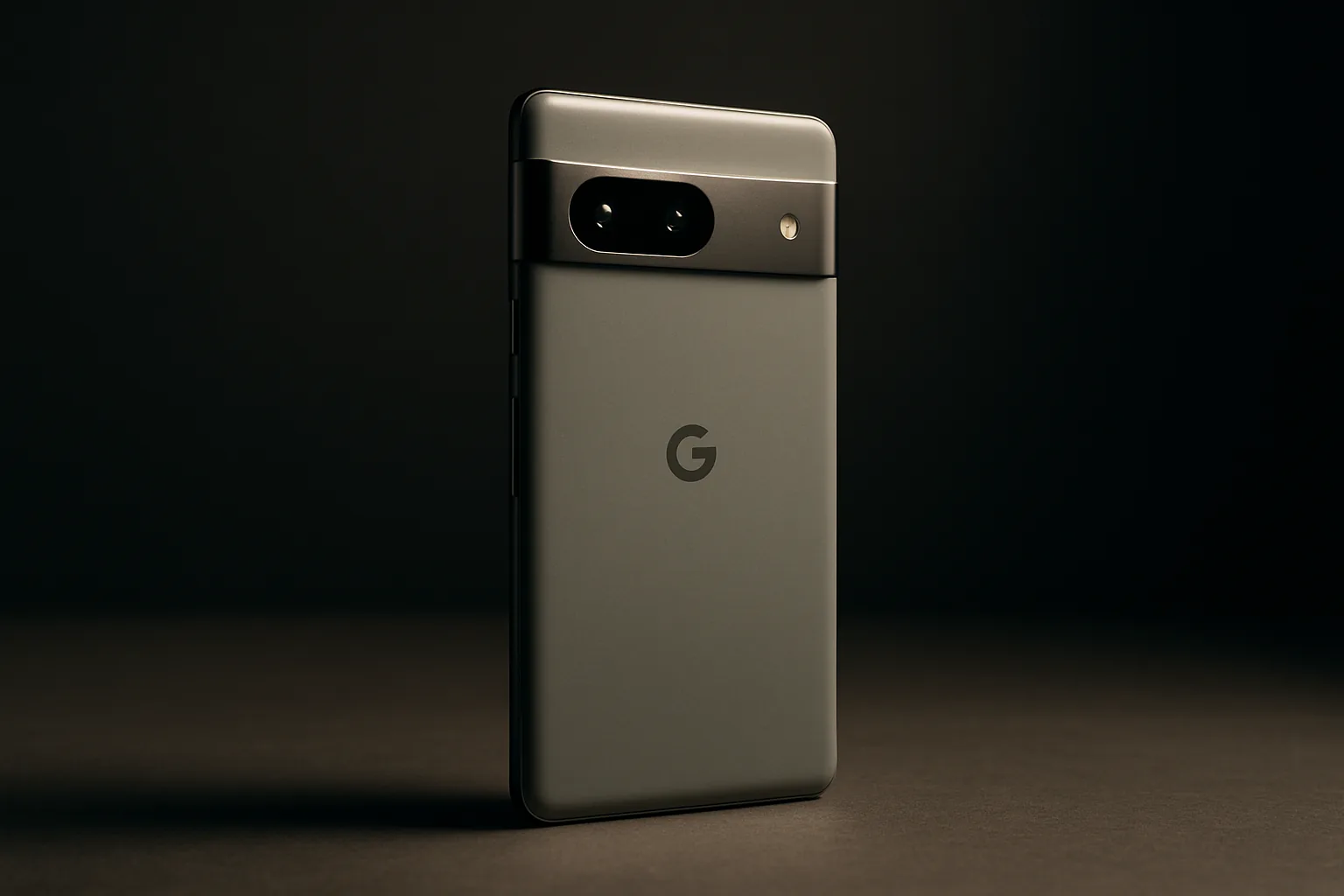
Pixel 10 advertising matters because smartphone marketing has become less about raw component comparisons and more about framing values, tone, and trust. Most flagship phones are now good enough at the baseline tasks consumers expect, so companies compete through narrative: which brand feels more thoughtful, more personal, more reliable, or more self-aware about how technology fits into everyday life. A Pixel ad campaign therefore matters not only for what it promotes, but for the worldview it implies.
That is why decoding the message behind the ads is worthwhile. Marketing at this level acts as a signal about how Google wants the Pixel brand to be understood in a crowded market where hardware gaps are narrower than they once were.
Why ads carry strategic meaning when specs converge
When phones become harder to differentiate on pure hardware, communication becomes more important. Brands need a memorable identity that helps consumers feel a device is aligned with their habits and preferences. Ads do that work. They tell buyers what kind of company is speaking to them and what kind of user they are supposed to imagine themselves becoming with the product.
This is why the campaign matters beyond creative taste. It reflects how Google thinks the next stage of competition should be framed, especially as AI, photography, privacy, and personalization converge into one broader brand promise.
A useful way to think about it is this: ads do not only explain the product. They explain how the brand wants the product to be interpreted.
Why tone matters as much as message
Consumers respond not only to what a campaign says but to how it says it. Humor, irony, self-awareness, or moral positioning can make a campaign memorable, but they can also produce backlash if audiences feel the brand is talking past real concerns. That is especially true in tech, where people are already sensitive to issues of surveillance, manipulation, and overreach.
This is one reason Pixel marketing matters. Google is not an unknown challenger brand. It is a company with enormous reach, data power, and baggage. Any campaign about what technology should feel like is filtered through that larger reputation.
Why phone ads increasingly double as AI messaging
Another reason the campaign matters is that phones are now one of the main delivery systems for consumer AI. When a smartphone company markets personality, intuition, or help, it is often also marketing the software layer that will increasingly mediate communication, photography, search, and daily organization. The advertising therefore has implications beyond hardware preference.
That changes the stakes. A phone ad is no longer just about buying a better camera or display. It can also be an argument about which company should be trusted to shape the intelligence layer of personal technology.
In that sense, campaign analysis is really analysis of the strategic story the company wants people to believe about its place in their lives.
What to watch in the response
The key question is whether the campaign creates clarity or confusion. If people come away with a stronger sense of why Pixel is distinctive, the ads have done meaningful work. If the tone overwhelms the substance or invites skepticism about Google's broader role, the campaign may say more about the company's ambitions than its credibility.
That is why Pixel 10 advertising matters. It captures how smartphone brands increasingly compete through trust, positioning, and cultural messaging rather than feature lists alone.
In a mature device market, the ad is often the first place a company reveals what it thinks the next battle for relevance will actually be about.