
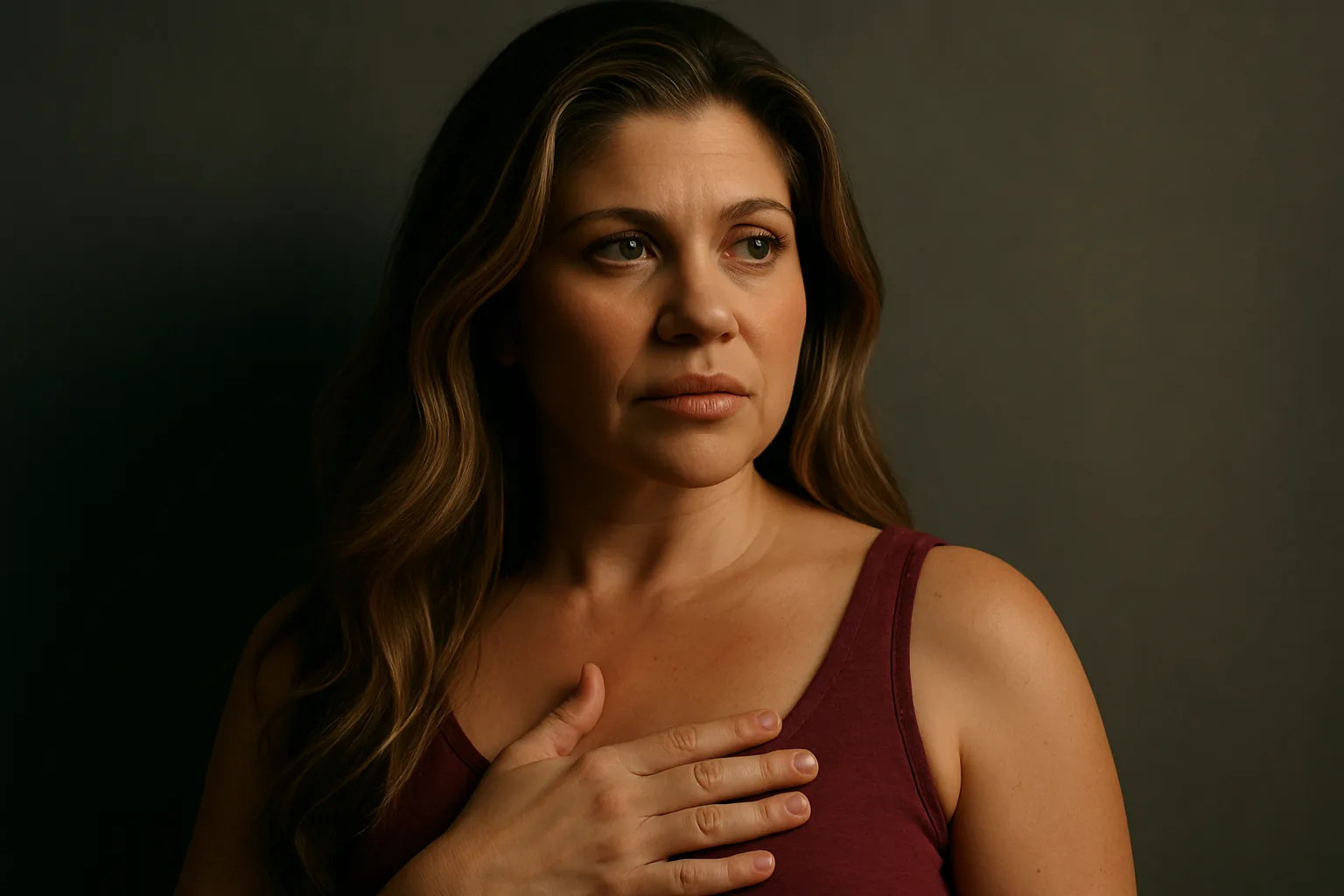
Celebrity health disclosures matter because public health advice often struggles to compete with everyday delay. People know in theory that screenings matter, but knowledge alone does not always produce action. What changes behavior more effectively is often a story that makes risk feel immediate and ordinary rather than abstract. That is why Danielle Fishel's decision to speak publicly about a breast cancer diagnosis discovered through routine screening carries real significance beyond personal news.
The message lands because it interrupts a familiar assumption: that being fine last year is close enough to being safe this year. When a recognizable figure describes a diagnosis emerging despite routine life and prior reassurance, it makes the logic of preventive care feel less optional. The story is not only about illness. It is about the danger of postponement in lives already crowded by other priorities.
Why recognizable voices can alter health behavior
Public campaigns often rely on generalized appeals, but people respond differently when the message arrives through someone they already know how to trust emotionally. A familiar actor or public figure can make a medical recommendation feel less like institutional instruction and more like lived experience. That emotional bridge matters, especially for screenings that are easy to postpone because they compete with busy schedules rather than urgent symptoms.
This is why disclosures like Fishel's can have outsized influence. They make routine prevention feel personally relevant instead of bureaucratically advisable.
Why early detection stories are powerful and delicate
These stories work because they link vigilance to hope rather than only fear. At the same time, they must be handled carefully. The message is not that a single narrative represents everyone's medical experience, but that delay carries risk even for people who think they are doing reasonably well. Public figures can amplify that point without turning their experience into universal medical guidance.
The balance matters. A compelling story should push people toward appropriate care and conversation, not toward panic or false certainty.
A useful way to frame it is this: health disclosures are most effective when they replace vague awareness with a renewed sense of timing.
Why routine care is so vulnerable to postponement
Many preventive appointments are easy to defer precisely because they do not emerge from crisis. Work, family, and ordinary optimism all create excuses that feel harmless in the moment. Public reminders often fail because they sound generic. A personal story breaks that pattern by giving delay a face, a consequence, and a different emotional weight.
This is one reason early-detection messaging can resonate so strongly after a public disclosure. It makes preventive care feel less like administration and more like self-preservation.
What to watch next
The most meaningful impact will not be measured in headlines but in whether people schedule screenings, talk more openly about preventive care, and treat “I meant to” as less acceptable. Stories like this matter most when they shift behavior quietly rather than trend loudly for a day.
That is why Fishel's disclosure matters. It shows how a familiar voice can refresh the urgency of a message many people already know but have not fully acted on.
In public health, awareness is common. Timely action is the harder thing, and stories like this can narrow that gap.