
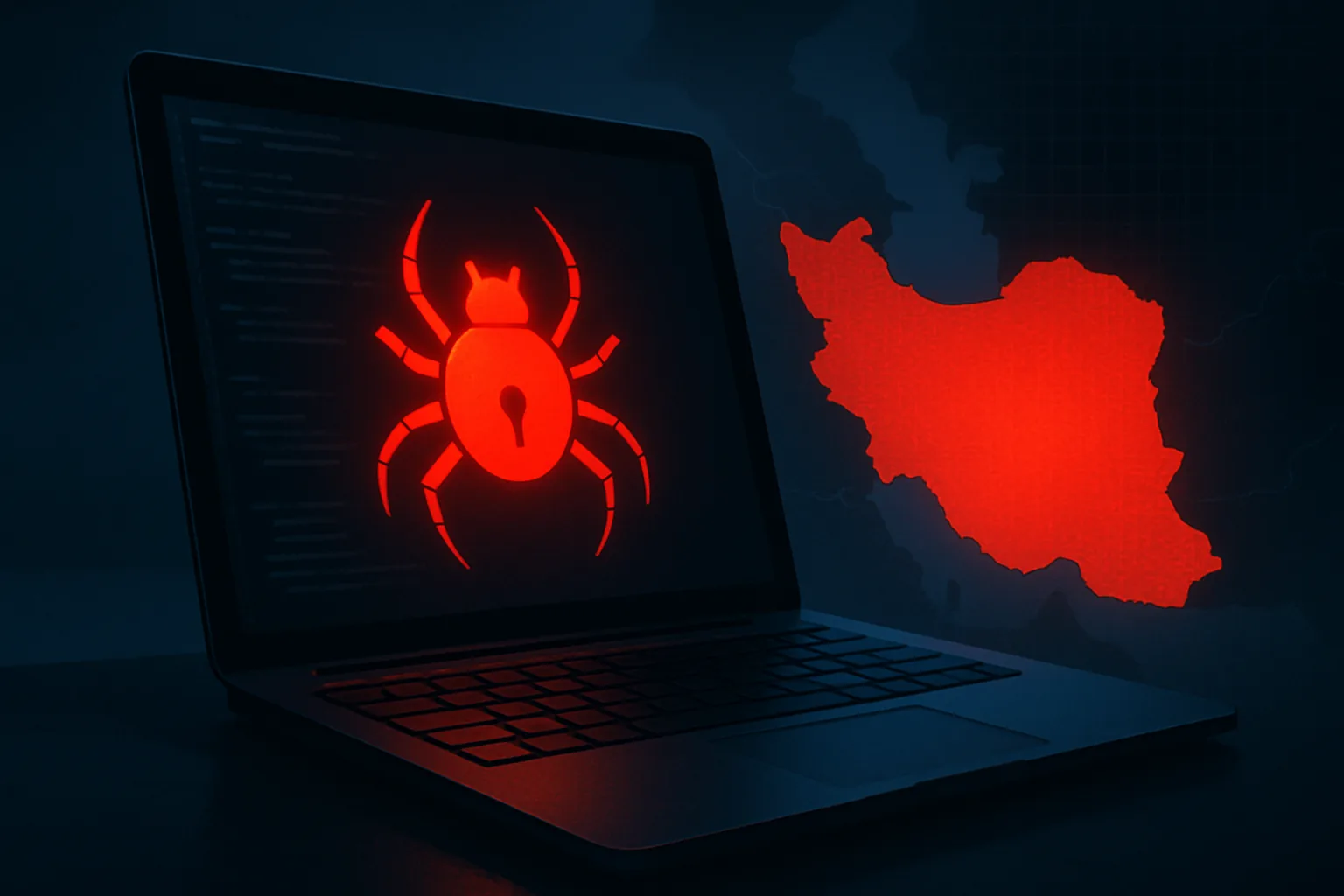
A recent cybersecurity discovery has uncovered a new strain of self-propagating malware compromising open source software projects, with a particular focus on development environments and machines located in Iran. This malicious software not only infects open source codebases but also triggers permanent data destruction on affected devices.
The Nature of the Threat
The malware employs advanced techniques to spread through software repositories, embedding itself within commonly used open source components. This method significantly increases the risk of infection as developers unknowingly incorporate tainted code into their work.
Once activated, the malware executes a destructive payload that wipes data, effectively disabling infected machines. The focus on Iran-based systems suggests possible state-sponsored or politically motivated origins. However, given the global reliance on open source software, the threat extends beyond geographic boundaries, endangering international software ecosystems.
Impact on Developers and Organizations
Open source software underpins much of today’s technology infrastructure, making this campaign a critical concern for developers, IT professionals, and organizations worldwide. The contamination of source code threatens the integrity of the software supply chain and underscores the urgent need for meticulous code audits and dependency verification.
Recommended Immediate Actions
- Audit Dependencies: Conduct thorough reviews to verify the authenticity and integrity of all open source dependencies.
- Enhance Network Monitoring: Deploy comprehensive monitoring solutions to detect suspicious network activity indicative of malware presence.
- Strengthen Secure Development Practices: Implement strict code review processes and utilize trusted package managers that authenticate code sources.
- Prepare Incident Response Plans: Update or develop response strategies focused on mitigating supply chain attacks.
Moving Forward
This incident highlights the growing sophistication of cybersecurity threats targeting the software development lifecycle. It emphasizes the necessity of integrating security deeply into development processes, especially when leveraging open source components. Proactive vigilance and robust security measures are critical to protecting software projects and infrastructure against similar attacks.
Conclusion
Development teams and technology operators must promptly conduct comprehensive inspections of their systems and codebases for any signs of infection. Proactive defense and heightened security awareness are vital in combating this aggressive and evolving malware threat.