
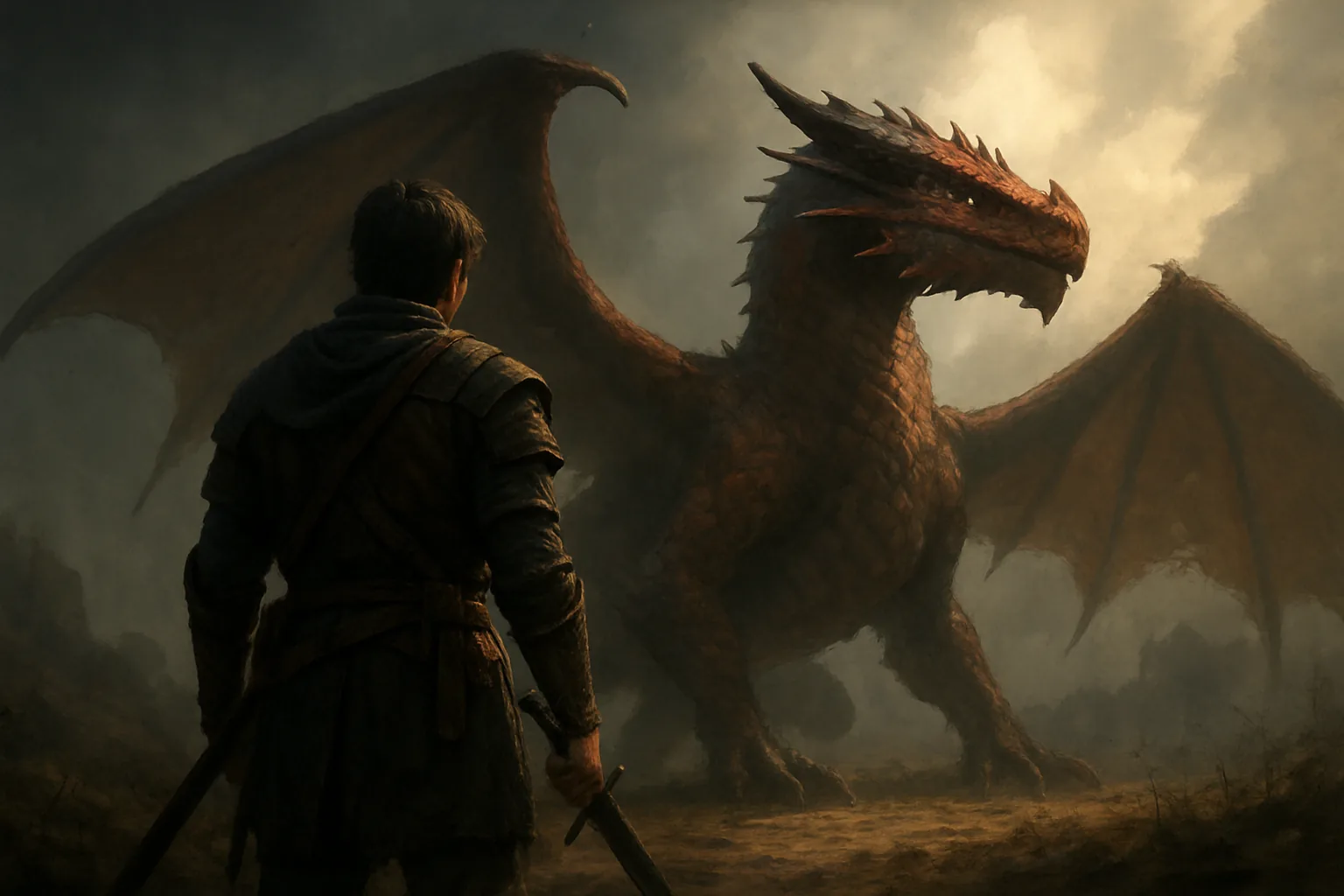
Controversies over mounts in open-world games matter because mobility systems often sit at the center of the fantasy being sold. Players do not only see creatures or vehicles as mechanical tools. They see them as symbols of ownership, freedom, and the kind of world the game promises to let them inhabit. That is why discovering that most mounts in Crimson Desert are temporary has produced more than routine disappointment. It has triggered a dispute about whether the game communicated its core fantasy honestly enough.
The reaction is significant because it shows how easily expectation can harden into perceived entitlement when promotional imagery is vivid and the underlying system is less generous than players assumed. A bear, dragon, or raptor is not just transportation in the mind of a prospective player. It is part of what made the game feel distinctive. Once that imagined permanence is replaced by limitation, the conversation shifts from design to trust.
Why mount systems carry unusual emotional weight
Players tend to form attachments to traversal systems because movement shapes how a world feels over time. A temporary buff or borrowed creature does not create the same bond as a mount that can be invested in, customized, and relied upon as part of a player's identity. That is why changes or revelations in this area can feel more personal than they might appear in patch notes or design documents.
When the fantasy of ownership is implied more strongly than the rules support, frustration can spread quickly through the community.
Why “misled” is a stronger accusation than “disappointed”
Calling a design choice disappointing still leaves room for the assumption that the developer acted in good faith. Calling it misleading suggests the problem is communicative rather than purely mechanical. That distinction matters. Players can often accept a system they dislike if they feel it was explained clearly. They become more hostile when they believe the sales pitch or early presentation nudged them toward a false expectation.
This is why the controversy deserves attention. It is not just about whether temporary mounts are good design. It is about whether the game accurately signaled what kind of relationship players would have with those creatures in the first place.
A useful way to frame it is this: communities are often more forgiving of restrictive mechanics than of the feeling that the fantasy was oversold before the restriction became visible.
Why studios have to manage fantasy with precision
Games built around spectacle face a recurring risk. The more powerful the fantasy in trailers, demos, or marketing, the more exact the eventual explanation of the systems needs to be. Otherwise, players fill in the gaps with their preferred version of the experience. Once those imagined freedoms turn out to be conditional, the studio ends up arguing not only about design but about credibility.
This is particularly relevant for ambitious open-world titles, where players arrive expecting systemic freedom rather than carefully bounded moments of spectacle.
What to watch next
The important question is whether the developers respond by clarifying the system, adjusting it, or simply defending the original design. Community reaction will hinge on whether the studio looks responsive and transparent or dismissive of a very legible misunderstanding.
That is why the controversy matters. It shows how quickly an issue that begins as a design complaint can become a referendum on player trust and communication.
In big fantasy games, the promise players think they are buying can matter as much as the mechanic they eventually get.